Description
- Model: Emerson 1000554 (Associated with Rosemount / Fisher instrumentation ecosystems)
- Brand: Emerson Electric Co.
- Series: Rosemount Measurement Instrumentation
- Core Function: High-precision signal processing and transmission for process temperature or pressure monitoring applications, Original New Surplus condition
- Type: Transmitter / Signal Conditioner Module
- Key Specs: 4-20 mA output with HART protocol support | Ruggedized industrial housing | High-accuracy field calibration
- Input Compatibility: Supports standard RTD (Pt100) or Thermocouple (Type K/J/T) sensors
- Output Signal: 4–20 mA DC linear output, HART communication digital signal overlay
- Accuracy Rating: \pm0.1\% of span or better (typical for calibrated range)
- Isolation: Galvanic isolation between sensor input and 4-20 mA loop output
- Power Supply Requirement: 12 V DC to 42.4 V DC (varies by load resistance)
- Environmental Rating: IP66/67 NEMA 4X enclosure protection standard
- Diagnostic Features: Onboard self-diagnostics with fault output current selection (high/low alarm)
- Calibration: User-configurable via HART handheld communicator or field configuration software
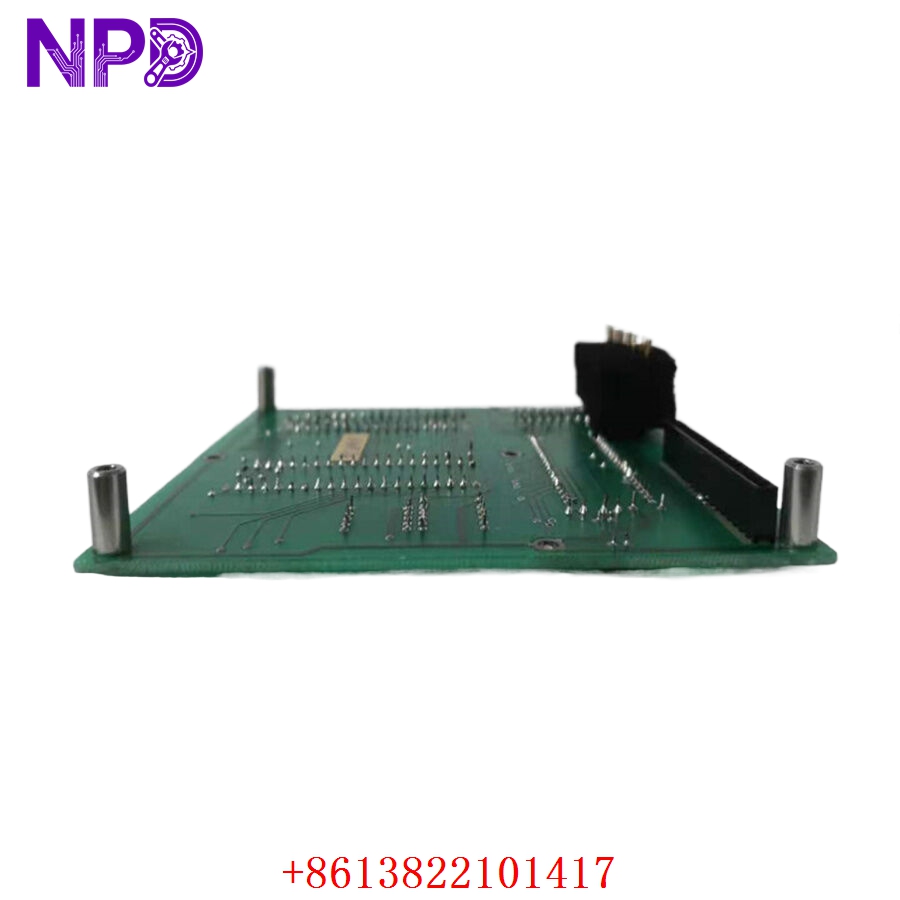
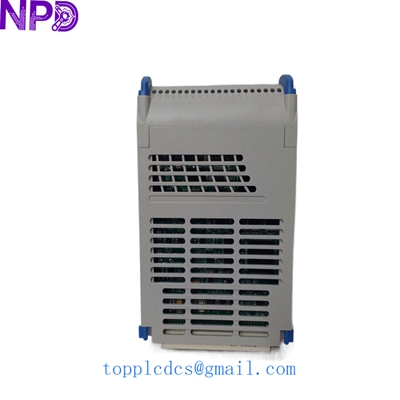
EMERSON 1000554
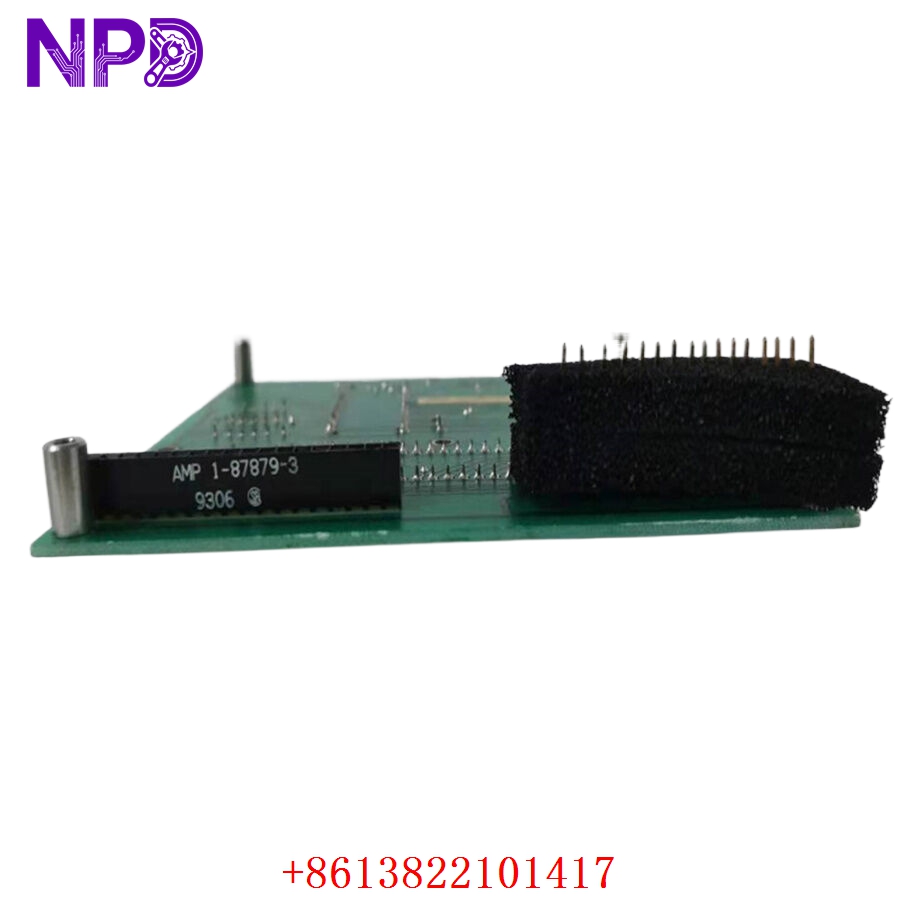
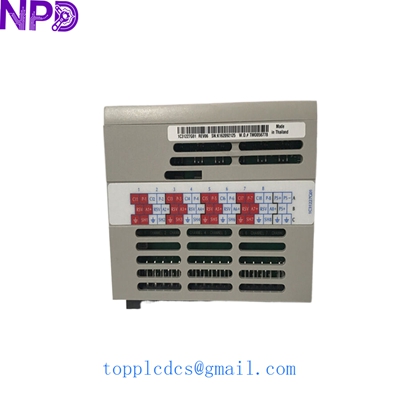
EMERSON 1000554
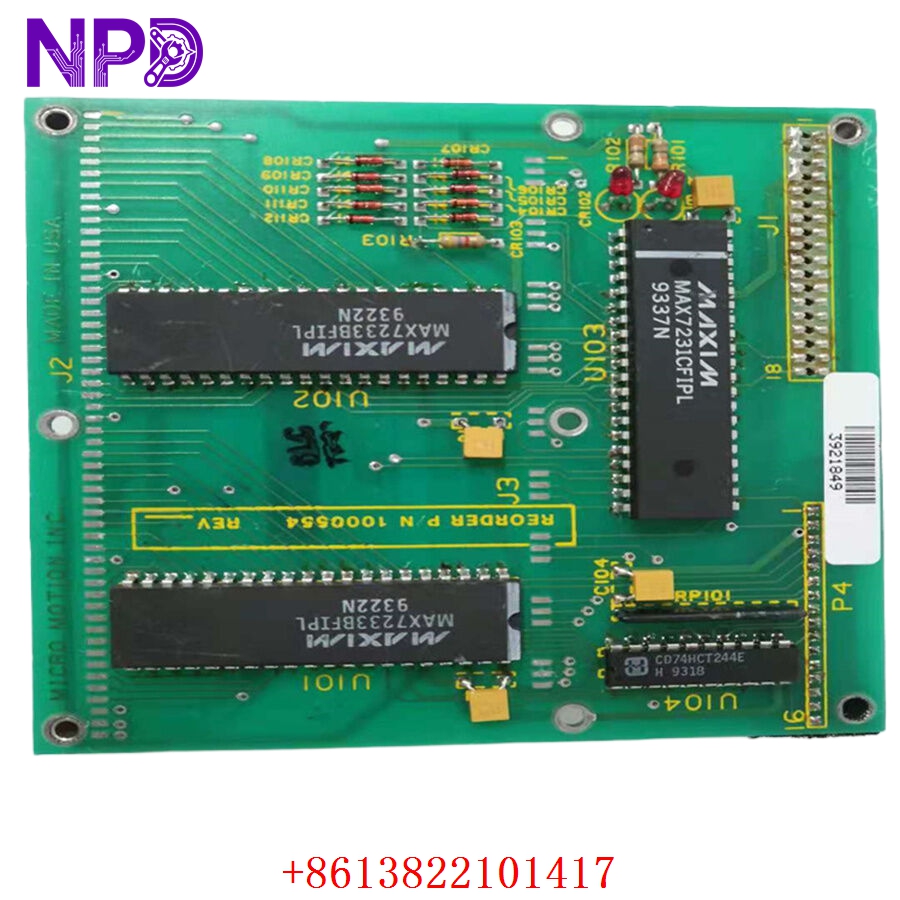
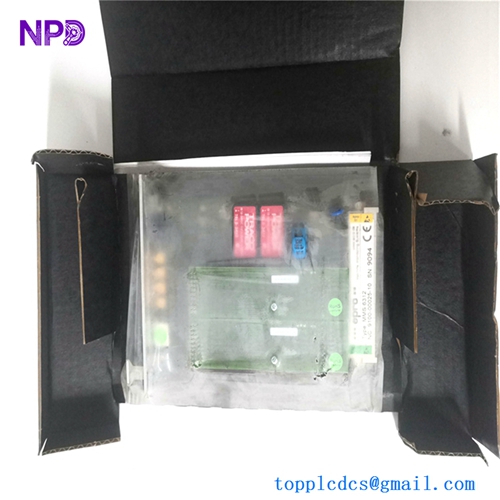
EMERSON 1000554
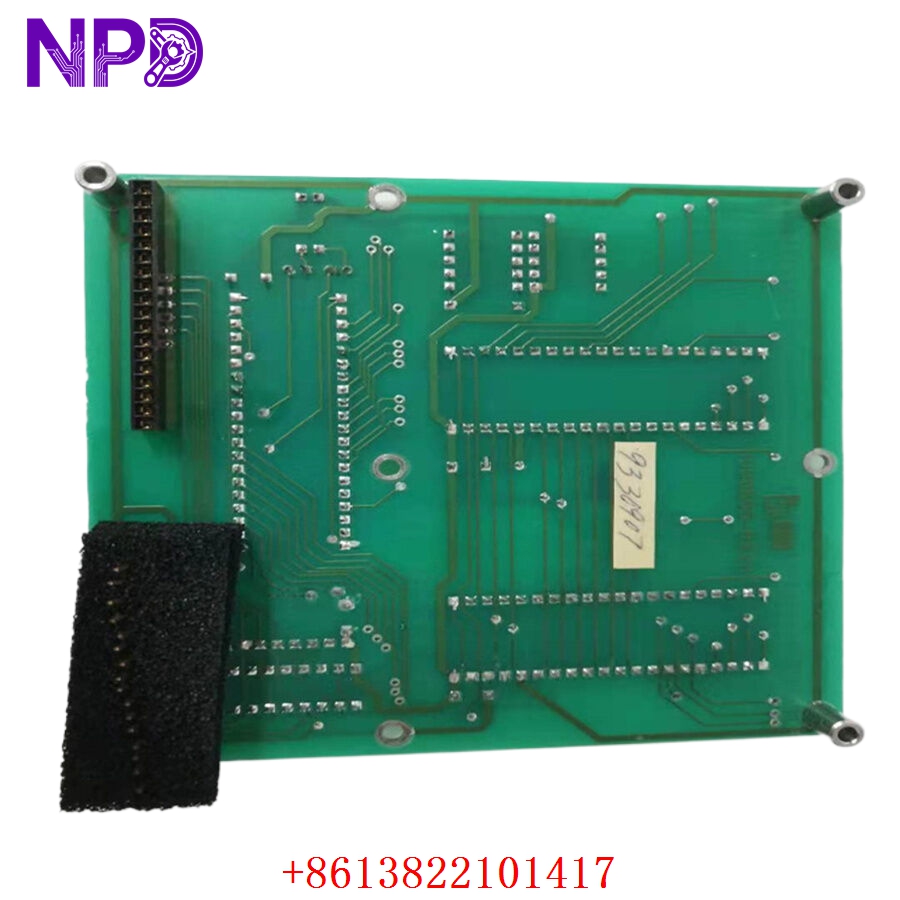
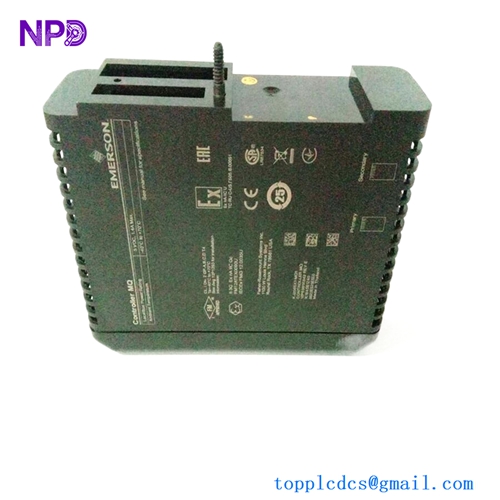
EMERSON 1000554
Part 4: Installation & Configuration Guide
Phase 1: Pre-Installation (Estimated Time: 15 minutes)
⚠️ Safety First:
- Ensure the process line is depressurized or thermally safe before removing any existing sensors or transmitters.
- If the loop is part of a critical safety interlock (SIS) system, ensure that the safety controller is in “Maintenance Mode” or bypassed to prevent nuisance trips.
- Verify the loop power supply is within the specified voltage range (typically 24 V DC nominal).
Tool Preparation:
- Multimeter (Fluke 115 or equivalent)
- Screwdriver set (Slotted and Phillips)
- HART communicator (e.g., Emerson 475/AMS Trex) or field configuration software
- Wire labels and stripping tools
Phase 2: Removal & Installation (Estimated Time: 20 minutes)
- Power Down: Disconnect power from the loop wiring.
- Wiring: Label all wires. Remove the 4-20 mA loop wires and the sensor input wires from the terminal blocks.
- Mounting: Unfasten the transmitter from the DIN rail or pipe-mount bracket.
- New Unit: Install the replacement 1000554 unit in the original housing.
- Termination: Reconnect the sensor inputs (RTD/Thermocouple) and loop output (positive/negative) following the wiring diagram provided in the transmitter’s internal cover.
Phase 3: Configuration (Estimated Time: 15 minutes)
- Initialize: Power on the loop.
- HART Communication: Connect your HART communicator across the loop (ensure at least 250 ohms resistance is present for communication).
- Parameter Setup:
- Set the sensor type (e.g., Pt100, 3-wire).
- Set the lower range value (LRV) and upper range value (URV) to match your process requirements.
- Verify the damping value is set for your application (default is usually 0.5 seconds).
- Verification: Perform a “Loop Test” using the communicator to ensure the 4 mA (0%) and 20 mA (100%) outputs match the signal seen at the PLC/DCS input card.
Part 5: Industry Applications
Case 1: Thermal Monitoring in Refining
In a large oil refinery, the Emerson 1000554 is frequently used to monitor heat exchanger efficiency. By converting RTD signals to a robust 4-20 mA signal, it provides reliable temperature data over long cable runs without losing accuracy due to electrical noise, which is critical for preventing process overheating.
Case 2: HVAC/Boiler Management
These transmitters are standard for industrial boilers where precise steam temperature control is required. The ability to calibrate the transmitter using HART allows technicians to perform “zero-trim” and “span-trim” procedures, ensuring that the sensor readings are perfectly aligned with site safety standards without needing to remove the unit from the field.
Part 6: Frequently Asked Questions (FAQ)
Q1: Why do I need 250 ohms resistance for HART communication?
A: HART communication uses Frequency Shift Keying (FSK) superimposed on the 4-20 mA signal. To properly receive this digital signal, the communicator requires a certain amount of loop impedance (250-1100 ohms) to develop the necessary voltage amplitude. Without this resistance, the communicator will fail to “see” the transmitter.
Q2: Can I use the 1000554 with any sensor?
A: No, it is designed for specific input types. Please verify your sensor (e.g., Pt100 RTD vs. Type K Thermocouple) matches the configuration set in the transmitter software. Attempting to use an unsupported sensor will lead to high-level alarms or incorrect readings.
Q3: Why choose New Surplus over refurbished?
A: Process instrumentation is subject to extreme thermal and vibratory stress. Refurbished units often contain aged components that may fail prematurely. Our New Surplus units are authentic, un-used components stored in climate-controlled environments, ensuring they perform to factory specifications and meet your long-term reliability requirements.