
Description
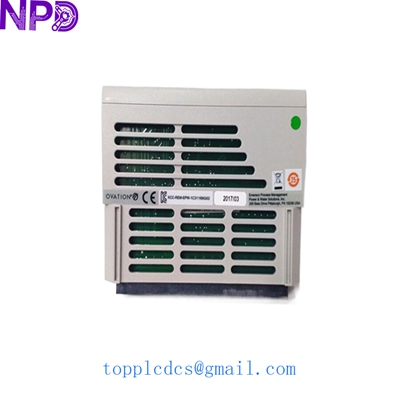
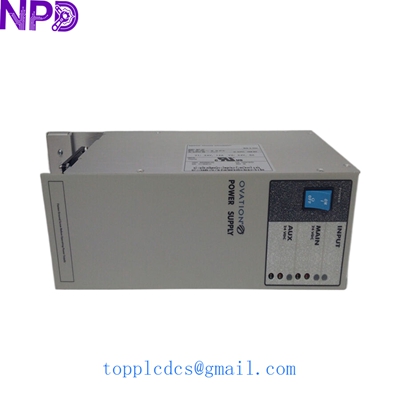
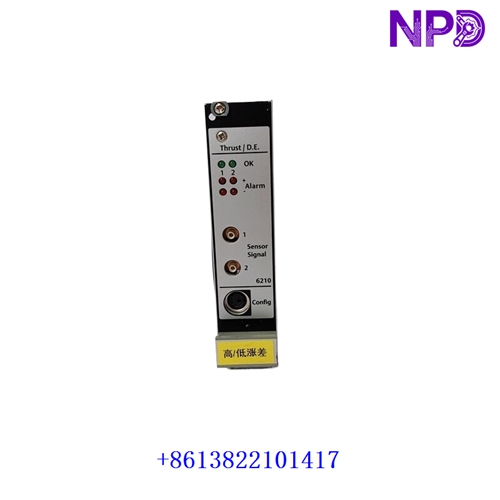
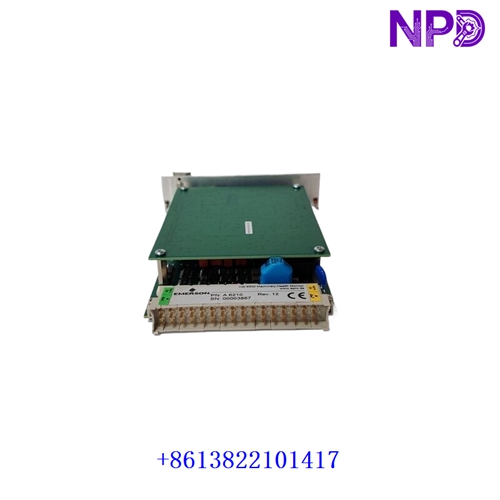
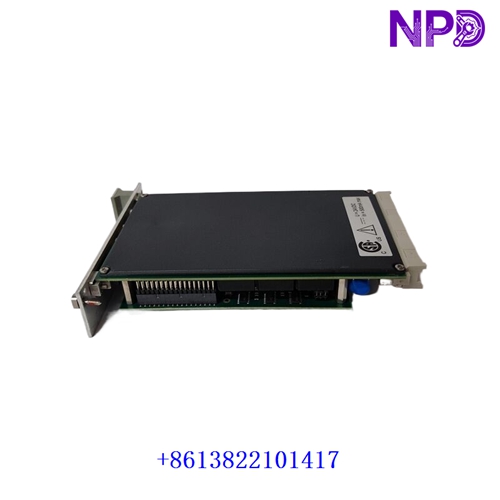
The following parameters outline the core technical specifications and physical characteristics of the Emerson / Rosemount high-performance analytical transmitter unit, designed for industrial water quality and process liquid analysis.
- 1. Brand: Emerson (Rosemount / Analytical Division)
- 2. Model: A6210 (or Rosemount 6210 Series Transmitter)
- 3. Series: Liquid Analytical Measurement Platform
- 4. Product Name: Process Liquid Analyzer / Multi-Parameter Transmitter Unit
- 5. Place of Origin: United States / Germany
- 6. Physical Status: Factory New / Industrial Spare Part
- 7. Dimensions: Standard panel or wall-mount enclosure format (1/2 DIN or compact industrial housing)
- 8. Weight: Approx. 1.80 kg
- 9. Original Region: North American / European Industrial Manufacturing Hubs
- 10. Power Rating: Universal AC supply (100-240V AC, 50/60Hz) or low-voltage DC variant (24V DC) dependent on specific model configuration
Initial Operation Checklist
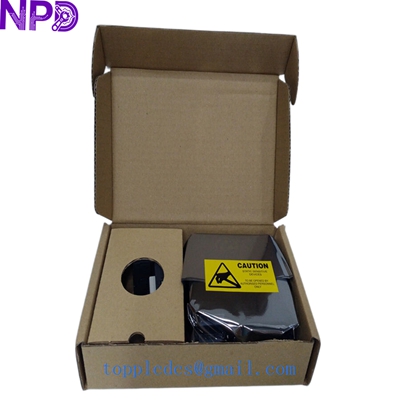
- 🔹 Inspect the exterior enclosure and display panel for any transit-induced damage or physical defects prior to unboxing.
- 🔹 Verify that part number
A6210matches system engineering specifications, sensor compatibility lists, and purchase requisition documents exactly. - 🔹 Ensure that local power feeds are completely disconnected and locked out/tagged out before opening wiring compartments.
- 🔹 Check sensor terminal blocks, signal cable glands, and communication ports for cleanliness, secure seating, and correct moisture seals.
- 🔹 Confirm proper grounding continuity between the transmitter housing and the main instrument panel ground bus.
Daily Maintenance & Servicing
- 🔸 Monitor operating ambient temperatures continuously, ensuring environment conditions remain within recommended limits (-20^\circC \le T \le +55^\circC).
- 🔸 Inspect the display screen and front-panel status indicators regularly for normal measurement readings, calibration reminders, and diagnostic warnings.
- 🔸 Keep enclosure covers tightly sealed and cable glands properly tightened to maintain environmental ingress protection ratings (IP65 / NEMA 4X).
- 🔸 Perform periodic visual checks on sensor signal wiring to ensure tight mechanical seating under continuous industrial plant conditions.
Troubleshooting & Common Issues
- 🔻 Symptom: Transmitter fails to power on or display remains unlit.
Action: Check input power supply voltage using a calibrated multimeter across terminal blocks and verify internal fuse integrity.
- 🔻 Symptom: Unstable process measurement, erratic readings, or sensor error warnings.
Action: Inspect sensor cables for moisture or shield grounding issues, clean the measuring electrodes/optical faces per manual guidelines, and perform a fresh calibration.
- 🔻 Symptom: Communication or analog output loop failure with the control system.
Action: Verify 4-20 mA loop power and wiring polarity, or check digital communication protocol configuration settings.
Safety Precautions
- ⚠️ Only certified instrumentation technicians familiar with analytical loops and hazardous area classifications should install, wire, or service this device.
- ⚠️ Observe strict electrical safety and lockout/tagout protocols before accessing internal wiring compartments of powered units.
- ⚠️ Ensure that connected sensors are chemically compatible with the process media and that process pressure/temperature limits are never exceeded.
Frequently Asked Questions (Q&A)
- Q1: What is the primary function of the Emerson A6210 unit?
A1: It serves as an advanced process liquid analytical transmitter designed to interface with specialized sensors to monitor water quality parameters (such as pH, conductivity, or dissolved oxygen) in industrial applications.
- Q2: What power options are typically available for this transmitter?
A2: It supports flexible power configurations, including universal line voltage (100-240V AC) or loop/instrument DC power depending on the exact build suffix.
- Q3: What immediate action should be taken if a sensor calibration error occurs?
A3: Clean the sensor elements thoroughly to remove any process coating or fouling, verify standard buffer/calibration solutions are fresh, and repeat the calibration sequence.