
Description
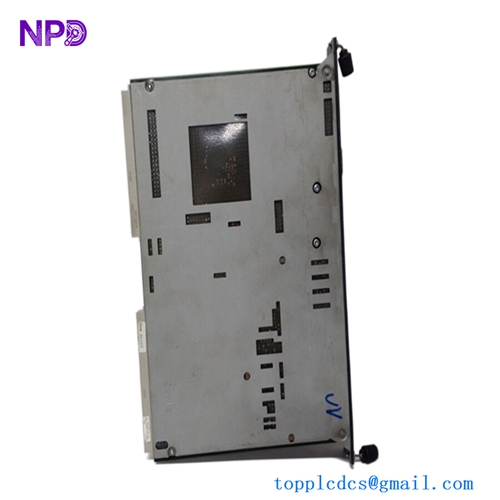
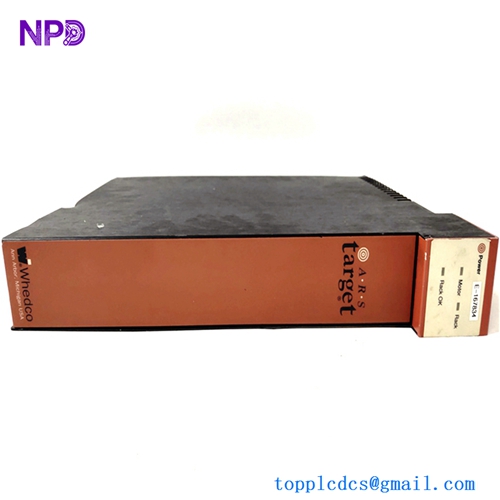
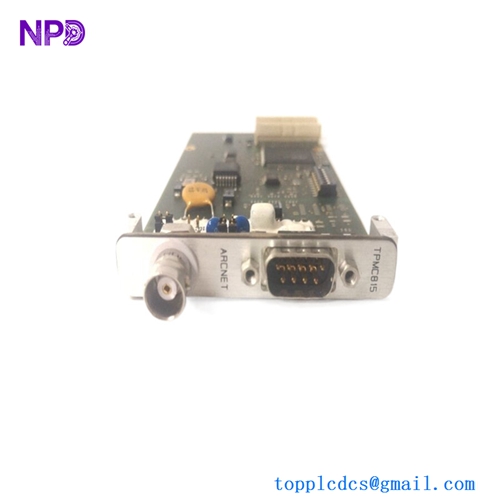
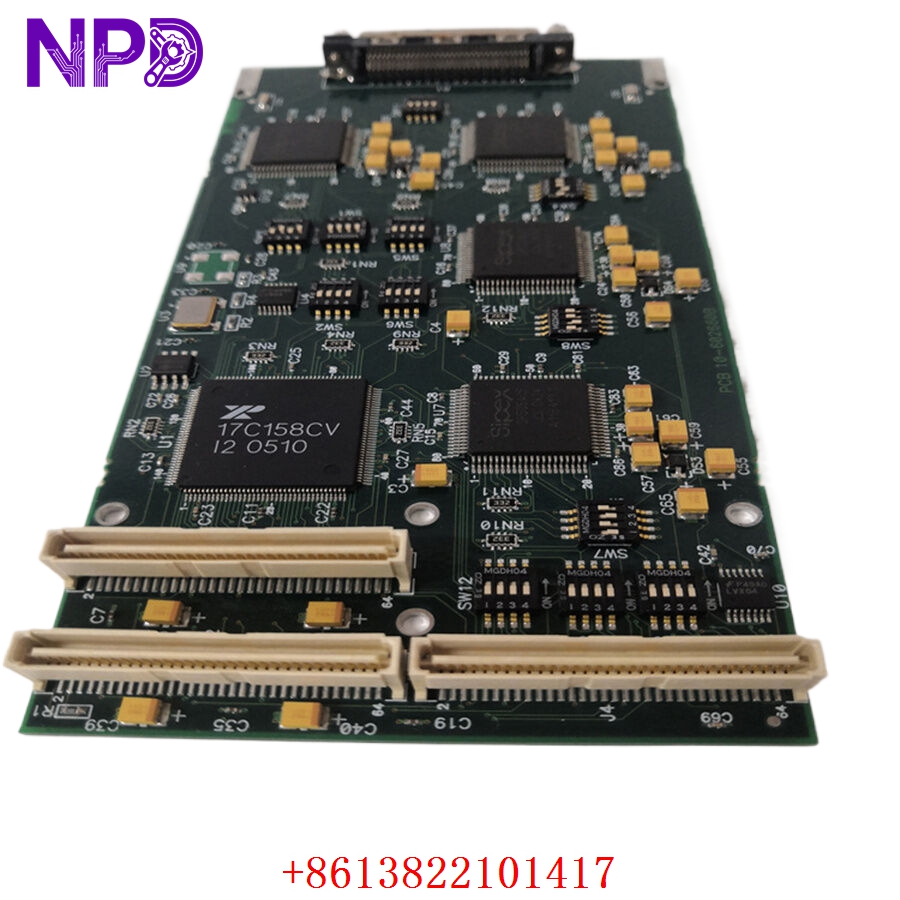
The EMRI ELU83 (P/N 203 88 95-1) is a precision-engineered control module widely used in industrial power generation, specifically acting as a voltage regulator or excitation control component. Designed for high-reliability applications, it ensures the stability of generator terminal voltage by monitoring output and adjusting the field excitation current. EMRI components are highly regarded in the maritime and heavy industrial sectors for their durability and ability to maintain precise control under fluctuating load conditions.

Technical Specifications
| Parameter | Description |
| Model | ELU83 |
| Part Number | 203 88 95-1 |
| Manufacturer | EMRI |
| Function | Automatic Voltage Regulator (AVR) / Excitation Control |
| Compatibility | Synchronous Generators |
| PCB Features | Industrial-grade components, vibration-resistant |
| Weight | Approximately 0.55 kg |
| Origin | Netherlands |
Operational Guidelines & Usage
🔹 Startup Sequence
- Before installation, confirm the generator is at a complete standstill and the field circuit is isolated.
- Securely mount the ELU83 in the control cabinet, ensuring all terminal block connections are torqued to specifications.
- Verify that the sensing voltage (from the generator output) and the field output connections match the wiring diagram for your specific alternator frame.
- Power up the unit; the status LED should indicate “Ready” or “Active.”
- Slowly increase generator speed; the ELU83 will begin to regulate voltage as the generator approaches nominal frequency.
🔹 Shutdown Sequence
- Reduce generator load to idle.
- The ELU83 will automatically decrease excitation; once the generator output voltage is at safe levels, the unit can be de-energized.
- For maintenance, ensure the DC bus capacitors are discharged (check your manual for discharge duration, usually < 2 minutes).
- Always follow ESD safety protocols when handling the PCB.
🔹 Normal Operational Flow
- The ELU83 continuously monitors the generator terminal voltage (sensing).
- It processes the signal using internal PID control loops to compare it against the voltage setpoint.
- It modulates the DC field current to the exciter, maintaining a steady output voltage regardless of changes in electrical load or engine speed.
- It includes built-in protection to limit under/over excitation, preventing damage to the generator windings.
🔹 Parameter Configuration
- Adjustment of voltage setpoint, stability (gain), and under-frequency roll-off (U/f) is performed via onboard potentiometers or digital interface, depending on the specific sub-version.
- Use a high-impedance multimeter to monitor the output during calibration.
- Always perform final calibration under actual load conditions to ensure the PID settings provide optimal damping.
🔹 Mode Switching
- Active Regulation: The standard state where the board is controlling the generator output.
- Manual/Standby: Bypasses active regulation; used during commissioning or fault-finding when using an external excitation source.
Common Questions & Answers (Q&A)
💡 Q: What indicates an ELU83 failure?
A: Common symptoms include uncontrolled voltage output (voltage drifting higher or lower than the setpoint), a complete lack of excitation (0V output), or the LED status indicator flashing in a pattern indicating an internal fault.
💡 Q: Is the ELU83 sensitive to harmonic distortion?
A: Yes, excessive harmonics from non-linear loads can confuse the sensing circuit. If your system experiences voltage instability, ensure that the sensing lines are shielded and grounded properly at one end to reduce electromagnetic interference (EMI).
💡 Q: Can I replace the ELU83 with a different EMRI model?
A: Do not substitute models unless explicitly authorized by EMRI’s technical documentation. The ELU83 is designed for specific excitation power ratings; using an incompatible model can lead to catastrophic failure of the generator’s exciter field.
💡 Q: How should I clean the PCB if it becomes contaminated?
A: Use a high-quality, non-conductive, electronics-grade contact cleaner. Ensure the board is completely dry before re-energizing. Do not use brushes that create static electricity, as the integrated circuits are highly sensitive to ESD.