
Description
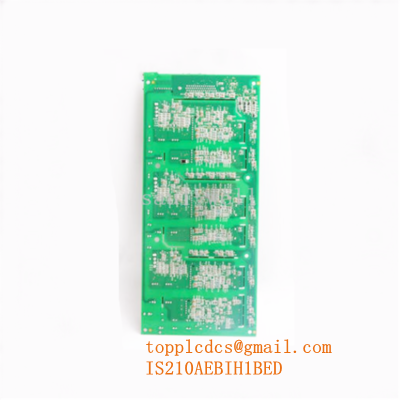
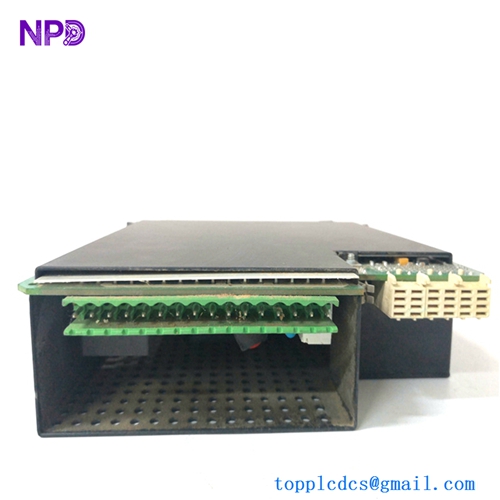
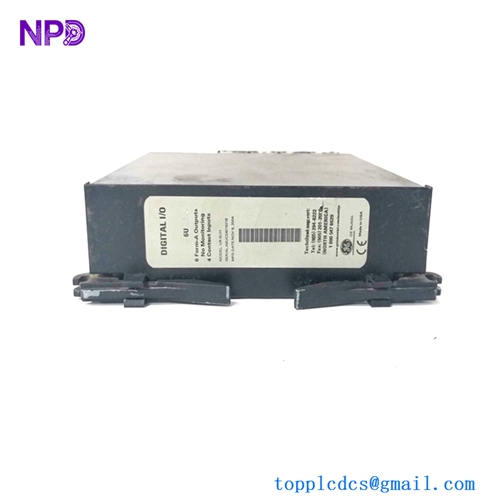
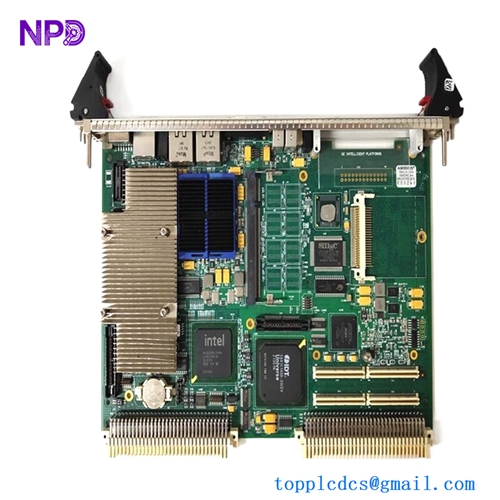
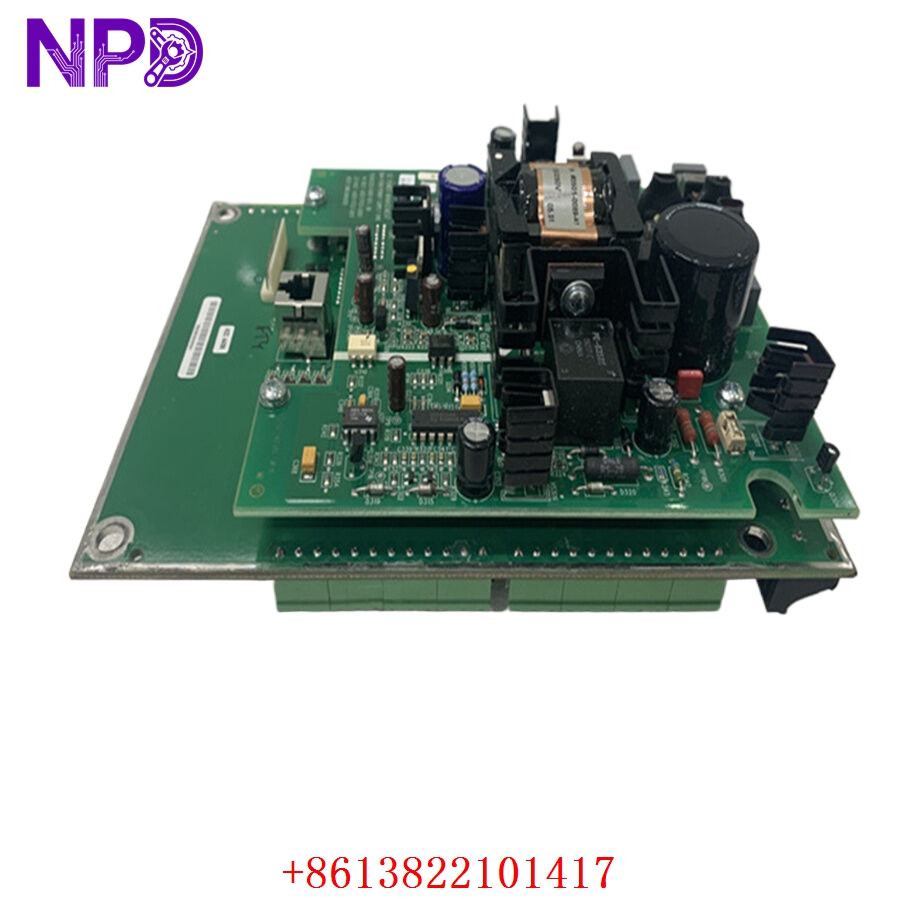
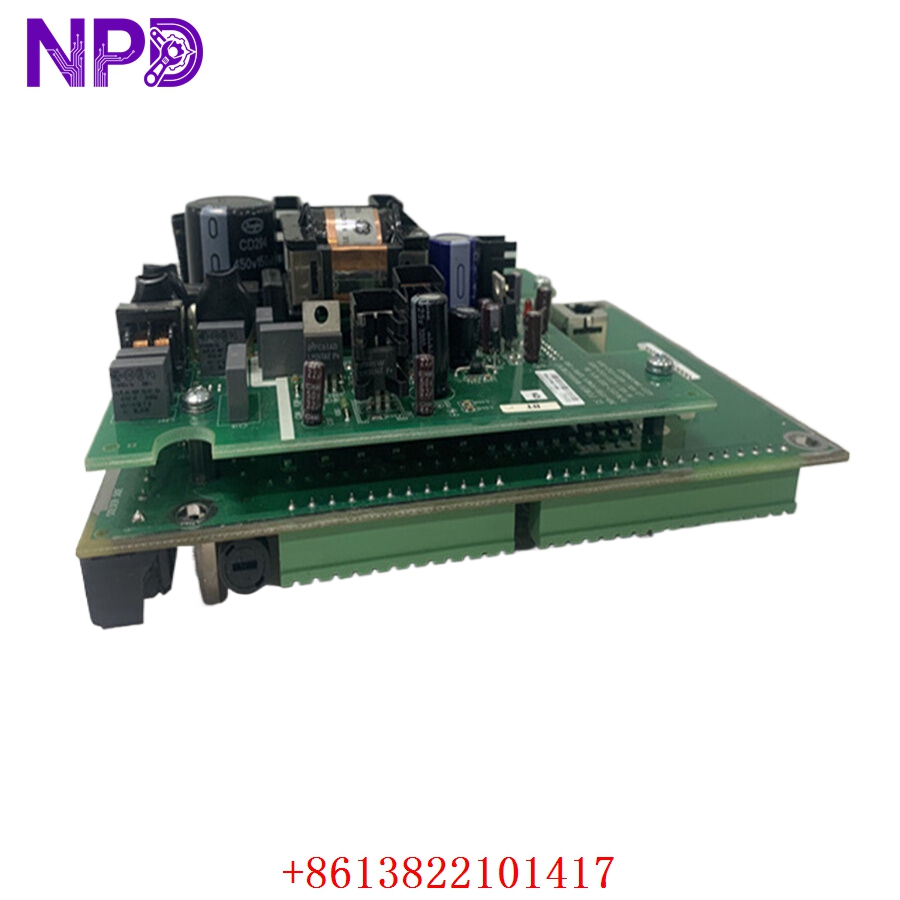
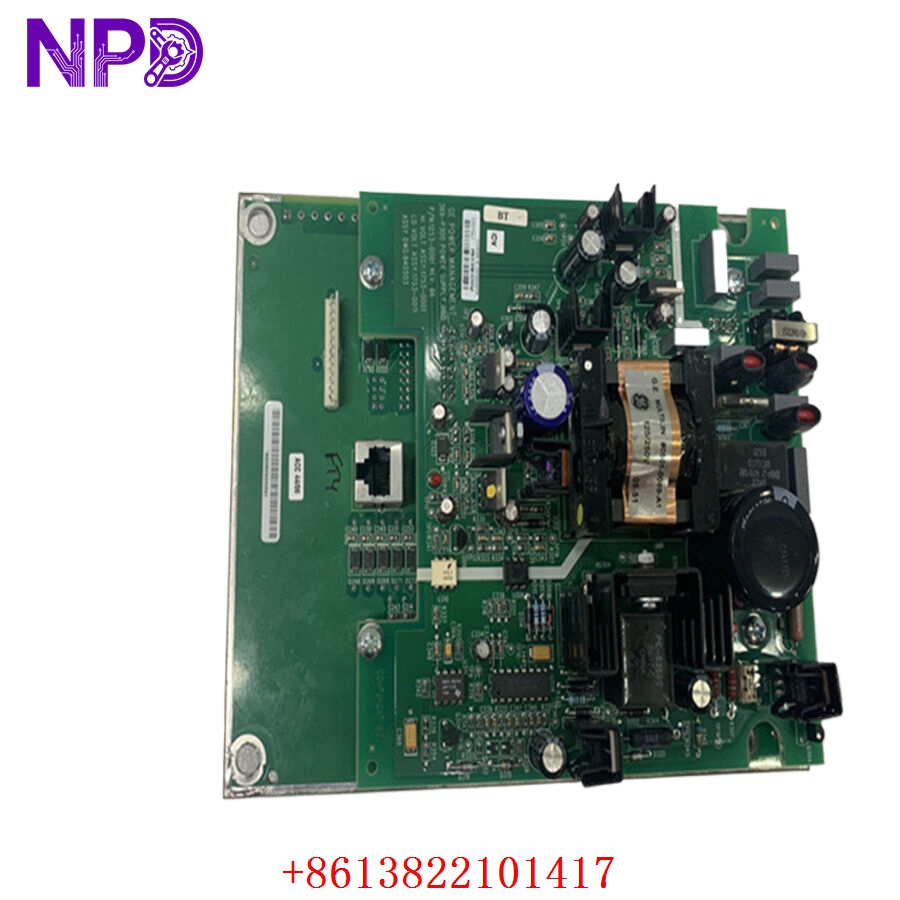
The GE 151X1225DE18PC05 is a specialized industrial control module, typically utilized within General Electric’s legacy control systems, such as the Mark series (e.g., Mark V or similar turbine control platforms). This component serves as an interface or processing board responsible for managing signal inputs and outputs to ensure the precise operation of heavy-duty industrial machinery. It is designed for high-reliability environments where signal integrity and real-time processing are critical.
Technical Specifications
| Parameter | Detail |
| Part Number | 151X1225DE18PC05 |
| Manufacturer | General Electric (GE) |
| Device Type | Industrial Printed Circuit Board / Control Module |
| Compatibility | GE Mark Series Control Systems |
| Mounting | Rack-mount / Chassis-mount |
| Operating Environment | Controlled industrial enclosure |
| Origin | United States (typical for this product line) |
Fields of Application
The 151X1225DE18PC05 is primarily applied in power generation, large-scale manufacturing, and heavy industrial automation sectors. It functions as a core component in turbine control, power distribution monitoring, and complex automated sequence control, where it processes analog and digital feedback from the field to regulate mechanical performance.
Product Introduction
This module acts as a bridge between the central controller and the physical field devices. It is engineered to withstand the rigorous electromagnetic interference (EMI) found in high-voltage industrial facilities. By converting complex data streams into actionable control signals, it enables the system to maintain optimal operating temperatures, pressures, and speeds for rotating equipment.
Product Use Instructions
To install or replace this module:
- Ensure the control cabinet is de-energized and follows LOTO (Lockout/Tagout) procedures.
- Carefully align the module with the designated slot in the backplane.
- Slide the board into place using the integrated guide rails, ensuring the connector pins are not bent.
- Secure the module using the built-in locking screws or latches to ensure solid electrical contact.
- Re-energize the cabinet and monitor the system diagnostic LEDs on the module faceplate for a “Ready” or “Normal” status.
Product Use Precautions
Handle the module by the edges or the faceplate handle to avoid electrostatic discharge (ESD) damage to sensitive microchips. Do not attempt to bypass safety interlocks. Ensure the cooling fans for the control cabinet are fully operational, as heat buildup is the primary cause of premature failure in high-density control modules. Always consult the specific site-wide control schematics before swapping boards, as configuration jumpers may need to be matched to the existing system.
Frequently Asked Questions (Q&A)
Q: Does this board require field calibration after installation?
A: In most cases, the board is “plug-and-play” regarding hardware, but system-specific parameters or calibration offsets may need to be verified through the main operator interface (HMI) after installation.
Q: How do I identify if the board has failed?
A: Diagnostic LEDs on the front panel will typically indicate a “Fault” or “Fail” state. Additionally, check the system event logs on your HMI for specific I/O communication errors related to this card’s slot address.
Q: Is this board repairable?
A: Due to the complexity of the integrated circuits and surface-mount components, it is generally recommended to replace the module with a certified refurbished or new unit rather than attempting component-level repair on-site.
Product Operation Methods
During normal operation, the 151X1225DE18PC05 performs automated signal scanning. It receives voltages or current loop signals (e.g., 4-20mA), converts them into digital values, and compares them against the setpoints programmed in the main controller. If a discrepancy occurs, the module communicates the fault to the central processor to trigger an alarm or a protective shutdown. The module requires no active manual input from operators during standard running conditions.