
Description
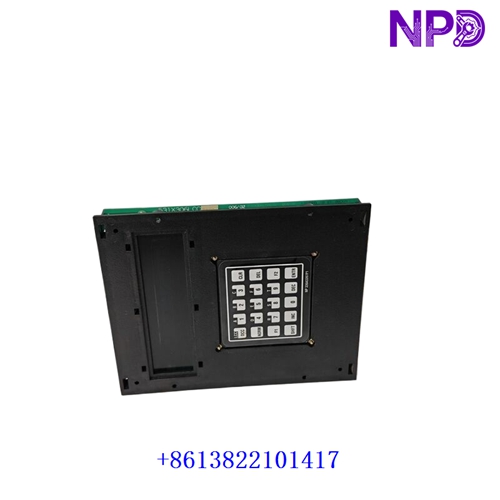
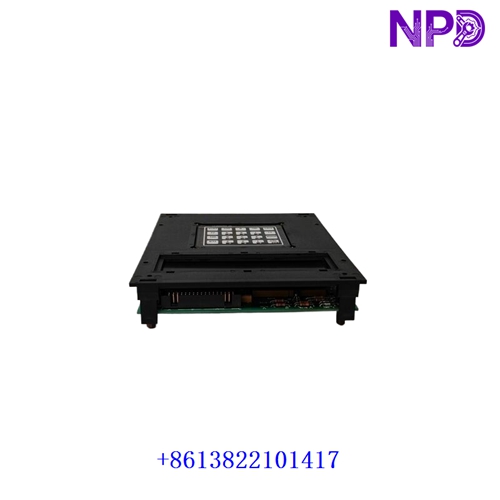
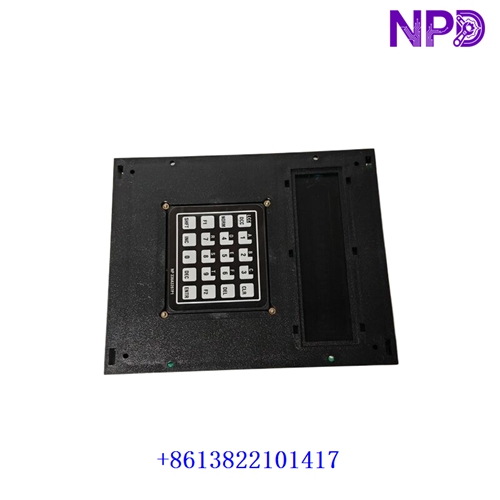
The GE 531X306LCCBAG3 (commonly referred to as the LCCB board) is a Local Area Network (LAN) Communications Board manufactured by General Electric. Used across GE Innovation Series Drives, EX2000 Excitation Systems, DC2000/AC2000 drive platforms, and Speedtronic™ Mark V control systems, the LCCB acts as a specialized communication coprocessor board that links drive control electronics to higher-level networks (e.g., GE DLAN, Genius I/O, or local keypad display interfaces).
Key Specifications & Identification
| Attribute | Details |
| Manufacturer | General Electric (GE) |
| Part Number | 531X306LCCBAG3 |
| Board Functional Acronym | LCCB (LAN Communications / Control Board) |
| Revision / Functional Group | Group 3 (G3) with AG3 revision artwork |
| System Compatibility | GE Innovation Drives, EX2000 Excitation, DC2000, Speedtronic Mark V |
| Communication Protocols | DLAN (Drive Local Area Network) / Serial Communication / LAN Bus |
| Onboard Hardware | Microprocessor, socketed EPROM memory sockets, jumper arrays |
| Form Factor | Open printed circuit board assembly with edge connector pins |
Primary System Functions
- Network Protocol Offloading: Handles high-speed network communications and protocol translation, freeing the main drive CPU board (such as the DPCB or SDCC) to process motor control loops.
- Drive LAN (DLAN) Interfacing: Connects drive racks to the GE Drive Local Area Network, enabling real-time reference distribution, torque/speed setpoint sharing, and multi-drive coordination.
- Diagnostic & Parameter Passing: Routes alarm states, system fault codes, and operational telemetry to local programmer display keypads or plant SCADA systems.
- Hardware Interlock Supervision: Integrates bus parity and hardware watchdog timing to flag communication losses and trigger safe drive stops when network integrity is compromised.
Servicing & Replacement Guidelines
- ESD Protection: Sensitive microprocessors and socketed CMOS memory ICs require anti-static handling. Always wear a grounded anti-static wrist strap when removing, installing, or servicing the board.
- EPROM / Firmware Transfer: Replacement boards often ship without site-specific parameters. If replacing a failed unit, transfer the original socketed EPROMs/EEPROMs to the new LCCB board or reload firmware via GE Drive Configuration Software.
- Jumper & Switch Verification: Before powering up the new board, double-check all onboard hardware jumper settings (e.g., node address, termination resistance, and baud rate) against the original board.
- Power Isolation Safety: Ensure the entire drive or excitation cabinet is de-energized, locked out, and the DC bus voltage is fully discharged before opening the rack assembly or unseating the board.