
Description
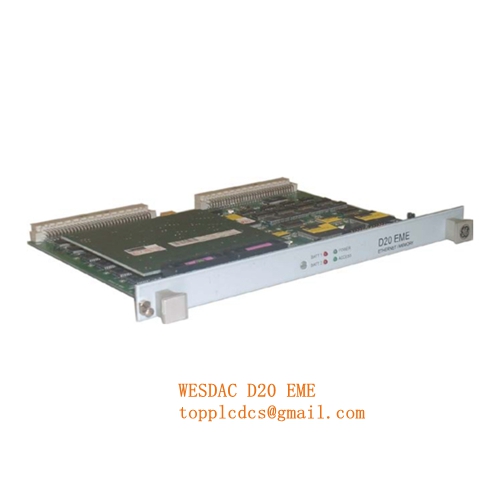
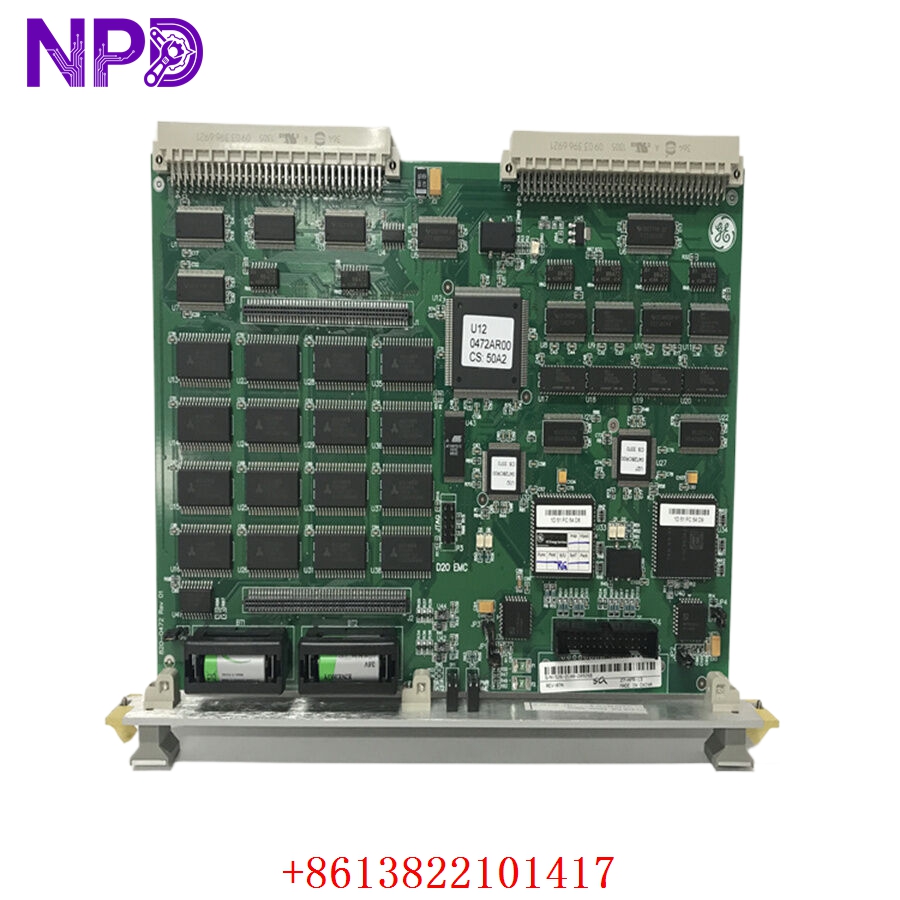
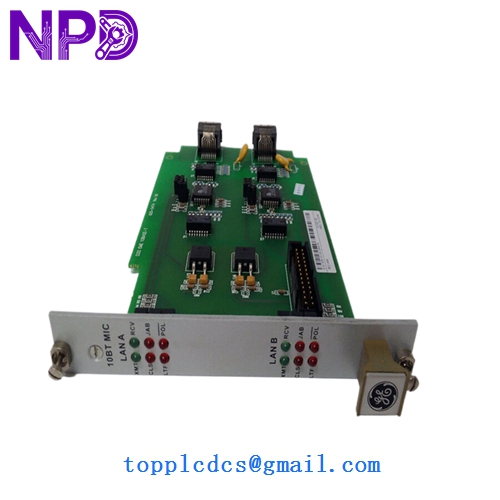
The GE D20 EME (Enhanced Memory Expansion) is a specialized processing and memory enhancement module designed for the GE Harris D20 Remote Terminal Unit (RTU) platform. This D20 EME module provides the necessary computational overhead and expanded storage capacity required to manage complex data concentration, advanced communication protocols, and localized logic automation. Engineered for the demanding environment of electrical substations, it ensures that the D20 system can handle increased point counts and sophisticated polling requirements while maintaining high-speed data throughput and deterministic performance.
Technical Specifications
- Model: D20 EME
- Series: GE Harris / Westronic D20 RTU
- Function: Memory and Processor Expansion
- Processor Architecture: High-speed 32-bit RISC processing
- Memory Capacity: 2MB – 16MB NVRAM (Configuration dependent)
- Ports: Local maintenance port and system bus interface
- Power Consumption: ~5W to 8W
- Operating Temperature: -40°C to +70°C
- Form Factor: Single-slot card for D20 chassis
- Diagnostics: On-board status LEDs for CPU, Power, and Fail This module is a critical upgrade path for legacy D20 systems, allowing them to support modern security encryption and multiple master station communication links without sacrificing response time or system stability.
Model Comparison
The GE D20 EME is a significant advancement over the original D20 ME (Memory Expansion) or D20 M cards, offering much higher processing speeds and larger non-volatile memory buffers. Unlike the D20 CC (Control Center) modules which focus primarily on communication routing, the EME variant is optimized for data processing and executing localized “Westerm” logic. Compared to the D20 ME II, the EME is designed for specific mid-range upgrade cycles, providing a cost-effective balance between raw performance and power efficiency.
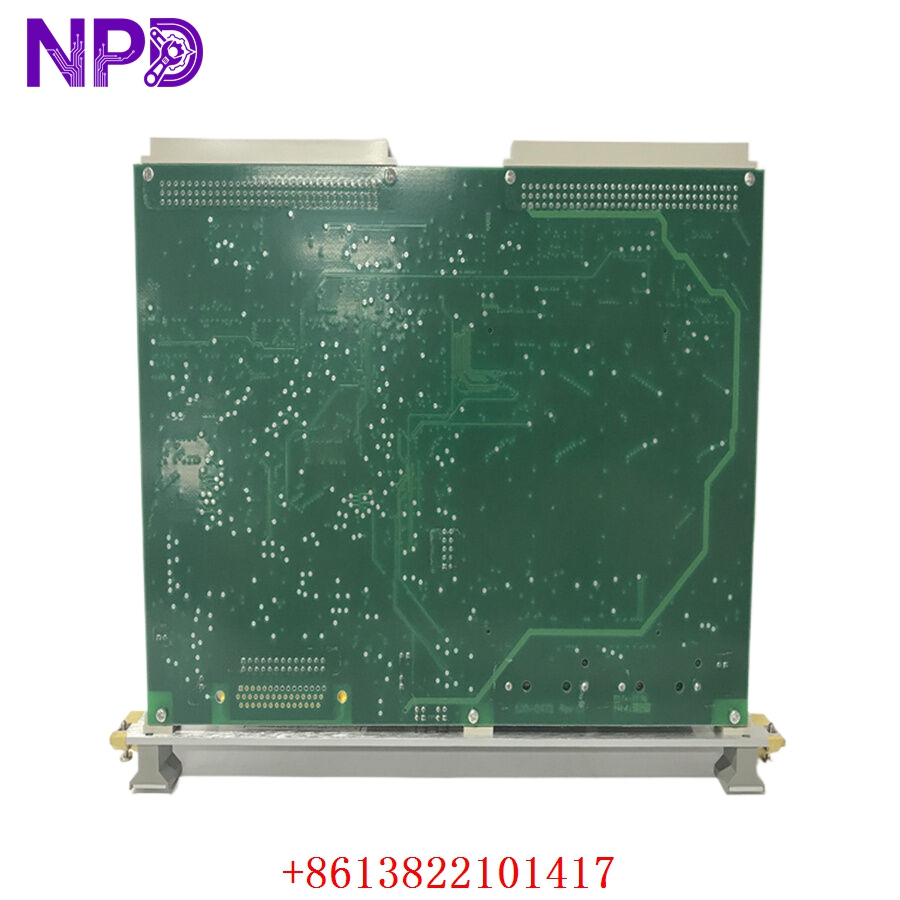
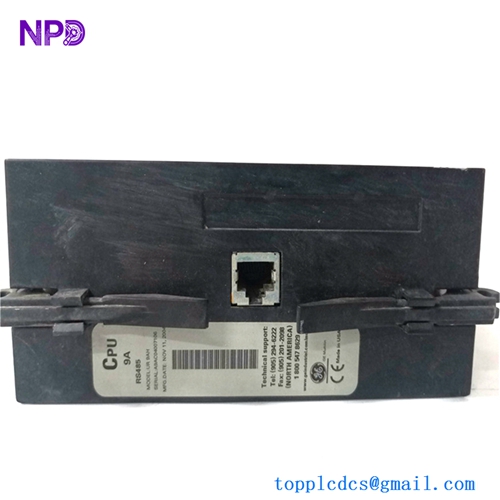
GE D20 EME
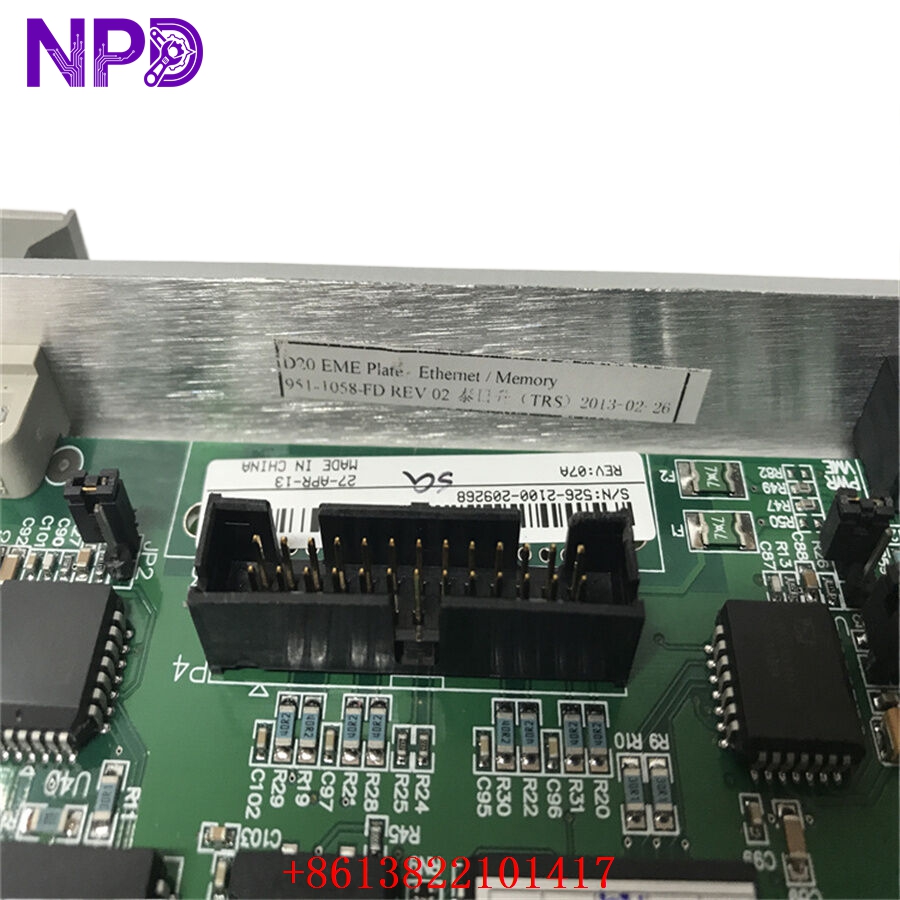
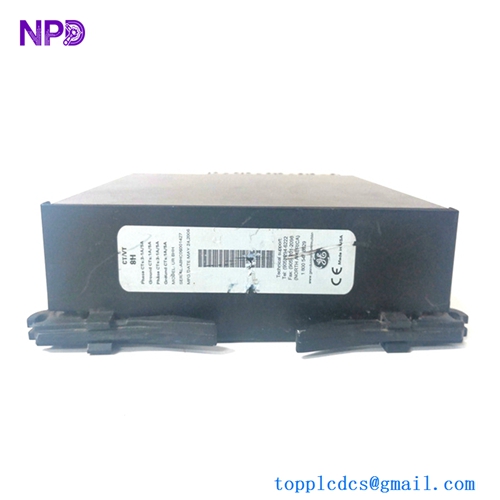
GE D20 EME
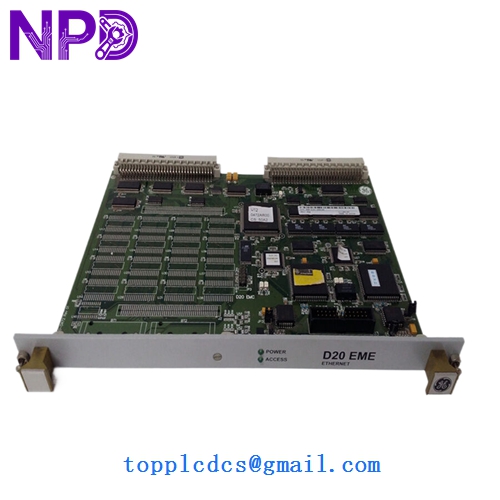
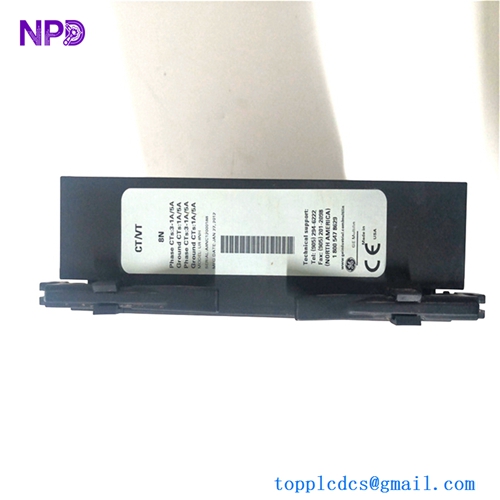
GE D20 EME
Operational Tips
- Jumper Configuration: Before installation, verify the hardware jumper settings for memory mapping and bus addressing to ensure the module is recognized by the D20 main processor.
- Firmware Compatibility: Ensure that the D20 system’s base firmware is updated to a version that supports “Enhanced” hardware to avoid boot loops or communication timeouts.
- Backup Battery: Periodically check the health of the on-board lithium battery; this battery preserves the NVRAM data during power outages, and its failure can lead to the loss of site-specific configurations.
- Static Protection: Always handle the D20 EME by the edges and use an antistatic wrist strap, as the high-density memory chips are highly susceptible to electrostatic discharge.