Description
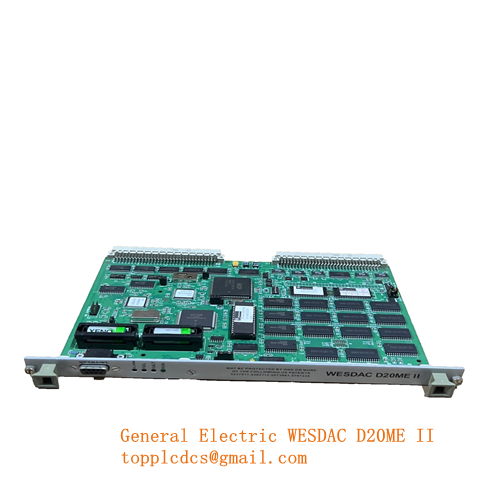
The GE DS200FGPAG1AHD is a high-performance firing board interface designed for use within General Electric’s Mark V control system. This component plays a critical role in turbine control by managing the firing pulses for the thyristor (SCR) bridges. It ensures precise synchronization and timing, which is vital for the reliable operation of large-scale power generation equipment and heavy industrial drives.
Technical Specifications
| Parameter | Detail |
| Model | DS200FGPAG1AHD |
| Manufacturer | General Electric (GE) |
| System Compatibility | Mark V Turbine Control System |
| Function | Firing Board Interface (SCR Control) |
| Mounting | Cabinet Rack/Panel |
| Operating Temperature | 0°C to 60°C |
| Origin | United States |
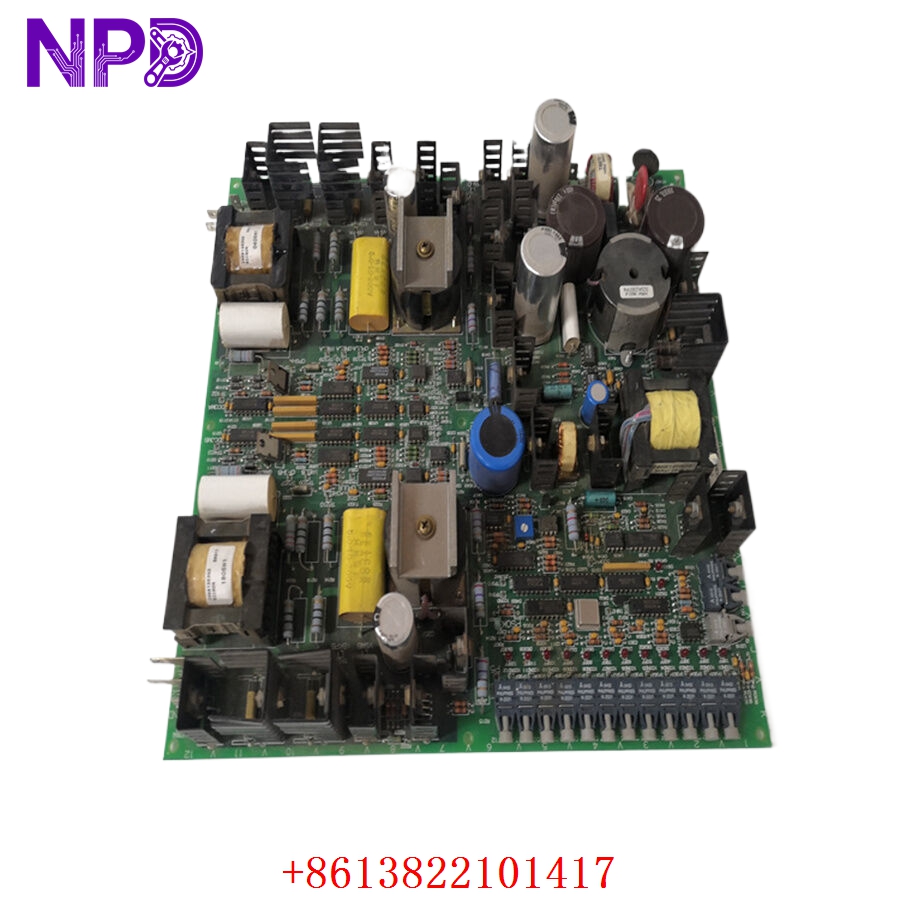
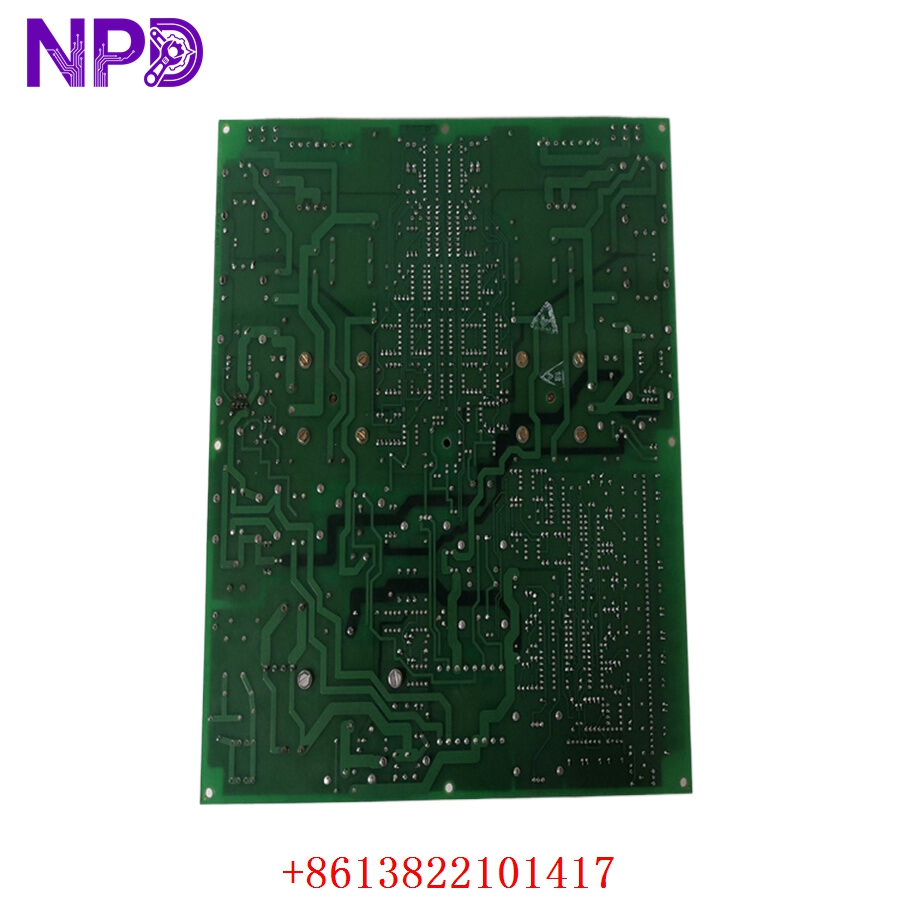
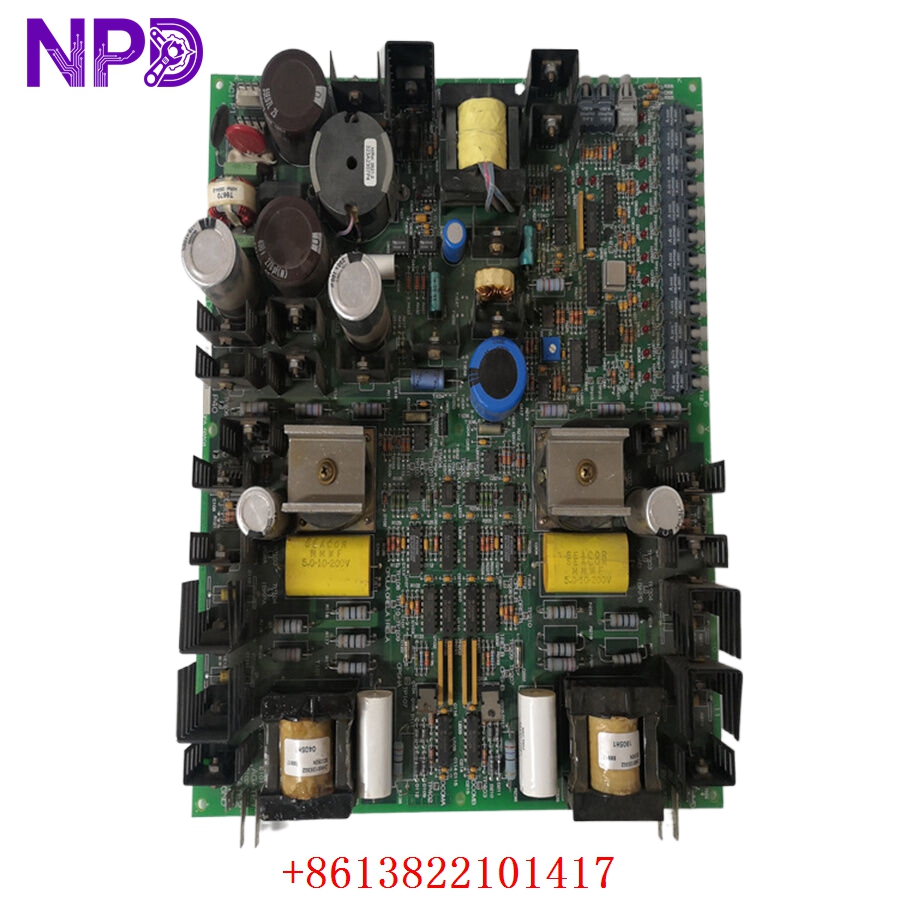
Fields of Application
The DS200FGPAG1AHD is utilized primarily in power generation and heavy industrial facilities where thyristor-based power conversion is required. Key applications include:
- Gas and Steam Turbines: Controlling excitation systems and power conversion bridges.
- Large Industrial Drives: Managing high-power DC motor control loops.
- Excitation Systems: Regulating current for synchronous generators.
- Power Distribution: Maintaining precise voltage and frequency output in turbine auxiliary systems.
Product Introduction
This board acts as the signal translator between the Mark V controller’s software-generated commands and the physical power-switching components (thyristors). By accurately firing these power components, the board allows the system to control massive amounts of electrical power with microsecond precision. The “AHD” suffix indicates a specific revision level, ensuring that the board includes necessary hardware refinements for signal noise immunity and reliability in electrically “noisy” environments like power plants.
Product Use Instructions
To install or replace the DS200FGPAG1AHD:
- Ensure the system is powered down and follows all established safety LOTO procedures.
- Carefully align the board with the designated slot on the Mark V backplane.
- Seat the board firmly into the connector to ensure all pins make solid electrical contact.
- Secure the board using the provided latching mechanisms or mounting screws.
- Connect all feedback and firing cables to the appropriate terminal ports on the faceplate.
- Verify all connections before energizing the system and perform a diagnostic scan via the HMI to confirm the board is recognized and active.
Product Use Precautions
The board contains highly sensitive CMOS integrated circuits; always use a wrist strap or anti-static mat when handling the unit to prevent electrostatic discharge (ESD) damage. Do not attempt to modify or bypass the firing logic, as improper timing can lead to catastrophic failure of the power bridge. Ensure that the cabinet interior is free of metallic dust or humidity, as these can cause unintended arcing between the high-density traces on the circuit board.
Frequently Asked Questions (Q&A)
Q: Is this board field-repairable?
A: No. Due to the high precision of the timing circuitry and surface-mount technology, it is not recommended to attempt repairs. Replacing the board with a tested unit is the standard protocol.
Q: How can I tell if the board has faulted?
A: Diagnostic LEDs on the board faceplate and error codes logged in the Mark V HMI will indicate a failure. Common errors relate to “Firing Pulse Missing” or “Synchronization Loss.”
Q: Does this board require software configuration after installation?
A: In most cases, the board is compatible with existing system parameters; however, if you are upgrading from an older revision (e.g., AHC to AHD), verify that your system software supports the new hardware version.
Product Operation Methods
The DS200FGPAG1AHD operates by receiving control data from the main processor. It then calculates the exact “firing angle” required for the thyristors based on the desired power output. During operation, it continuously monitors the incoming AC line voltage to ensure the firing pulses are perfectly synchronized with the phase of the power grid, preventing damage to the power components and ensuring a smooth, stable electrical output.