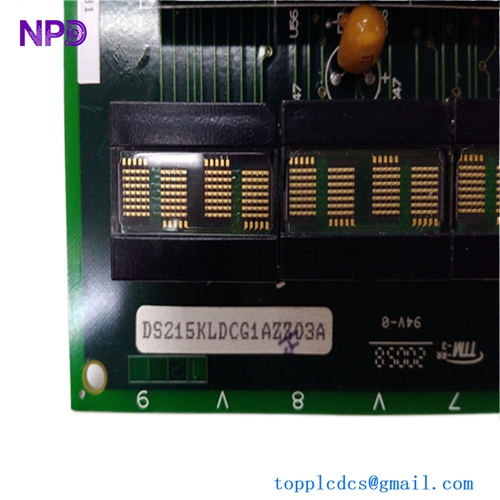


Description
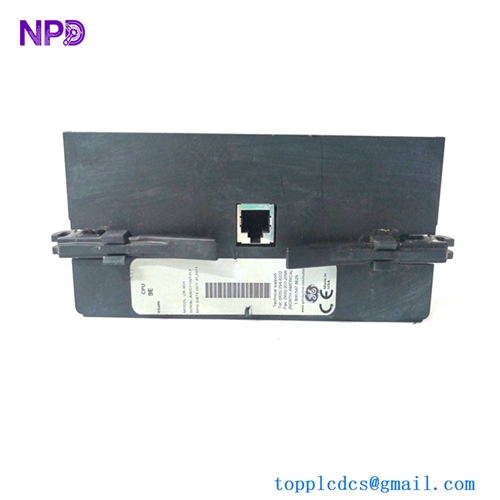
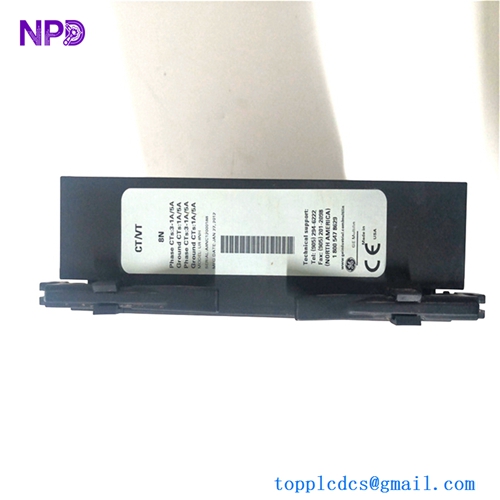
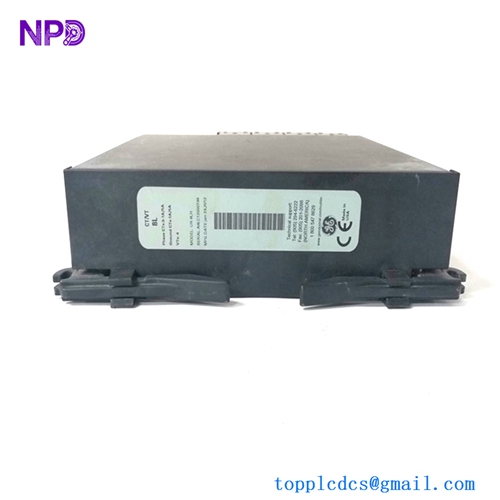
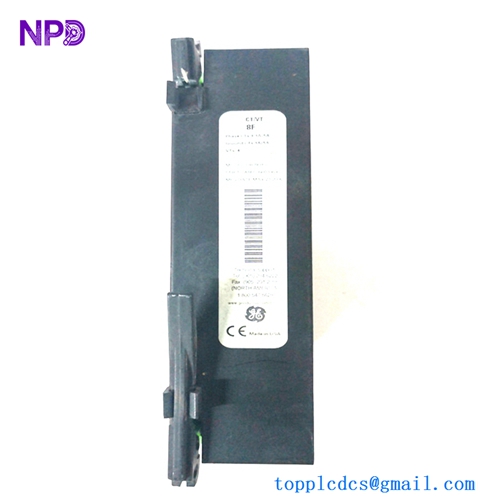
The GE DS215KLDCG1AZZ03A (often associated with the base board DS200KLDCG1AAA) is a high-performance LAN (Local Area Network) Communication Board utilized within the GE Mark V and Mark VI Speedtronic turbine control systems. This module serves as the primary communication bridge between the control processors (Cores) and external operator interfaces or plant-level networks. It is specifically designed to handle high-speed data transmission, ensuring that real-time turbine parameters are delivered to the Human-Machine Interface (HMI) with minimal latency.
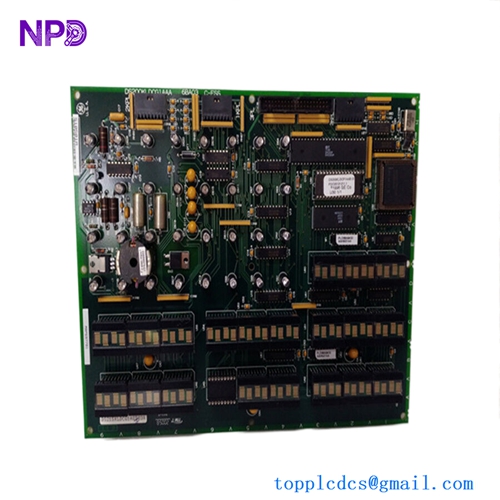
GE DS215KLDCG1AZZ03A DS200KLDCG1AAA
1. Technical Parameters & Specifications
The DS215KLDCG1AZZ03A is an advanced revision of the KLDC series, featuring enhanced circuitry for signal stability and protocol management.
| Parameter | Specification Details |
| Model Number | DS215KLDCG1AZZ03A |
| Base Board Part | DS200KLDCG1AAA |
| System Family | Speedtronic Mark V / Mark VI |
| Function | LAN / Arclink Communication Interface |
| Connectivity | Coaxial BNC, RS-232, and Specialized LAN ports |
| Communication Speed | 2.5 Mbps (Arclink) / Standard LAN rates |
| Protocol Support | Staged Link, Arclink, and Ethernet-based packets |
| Isolation | Integrated magnetic/galvanic isolation |
| Voltage Input | +5V, +12V, -12V DC (via backplane) |
| Operating Temperature | -30°C to +65°C |
Key Hardware Features
- Dual-Board Architecture: The DS215 designation often implies a composite assembly where a “daughterboard” is mounted onto the DS200 base board to provide specialized I/O or processing capabilities.
- Arclink Management: The board is the central hub for Arclink traffic, a deterministic proprietary protocol used by GE to synchronize data across the ⟨R⟩, ⟨S⟩, and ⟨T⟩ control cores.
- Signal Conditioning: Includes high-speed transceivers and buffers to ensure that data packets remain clean even over long cable runs within electromagnetically noisy power plant environments.
- On-board Diagnostics: Features a series of status LEDs that provide immediate visual feedback regarding network collision, packet transmission, and board health.
2. Product Datasheet Summary
- Network Topology: Supports both bus and star topologies depending on the external transceiver hardware used.
- Microprocessor Core: Equipped with a dedicated communication processor that offloads network stack management from the main turbine control CPU, preventing “CPU starvation” during high network traffic.
- Hardware Addressing: Utilizes hardware jumpers and DIP switches to define the board’s unique ID on the control network, ensuring proper routing of data packets.
- EMC Compliance: Designed with multi-layer shielding to meet industrial electromagnetic compatibility standards for high-voltage substation and turbine hall environments.
3. Country of Origin
The GE DS215KLDCG1AZZ03A is designed and manufactured in the United States of America (USA). It was primarily produced at GE’s industrial control manufacturing facility in Salem, Virginia, which serves as the global center for Speedtronic technology.
4. Application Areas
This board is an essential component in complex GE turbine installations:
- Gas Turbine Control: Managing the telemetry between the Mark V panel and the <I> Operator Station for units like the Frame 6, 7, and 9.
- Steam Turbine Coordination: Handling communication for balance-of-plant (BOP) integration in combined-cycle power plants.
- Distributed Control Systems (DCS): Acting as the gateway for the turbine control system to report to plant-wide SCADA or historian servers.
- Retrofit Projects: Used in upgrading older Mark V systems to allow for modern digital networking capabilities.
5. Usage & Installation Guidelines
Installation
- Slot Placement: This board is typically installed in the CORE or LOC (Local) section of the Mark V cabinet. Ensure the board is firmly seated in the Eurocard-style subrack.
- ESD Protocol: Handle the board only at the edges. This board contains high-sensitivity VLSI chips that can be permanently damaged by static discharge from human contact.
Configuration
- Jumper Settings: Before power-up, the jumpers must be configured according to the specific network node address defined in the system’s “IO.ASG” or “CONFIG.DAT” files.
- Termination: If the board is at the physical end of a communication line, the appropriate BNC termination (typically 75 Ω or 50 Ω) must be applied to the port.
6. Recommended Related GE Models
To maintain a functional communication network within the Mark V/VI ecosystem, the following related components are frequently utilized:
- DS200SDCCG1A: The Digital Control Board that interfaces directly with the KLDC for control execution.
- DS200TCQCG1A: The I/O Processor Board that provides the raw data the KLDC board transmits.
- DS215CPCCG1A: The PC-based Control Card used in later Mark V revisions for HMI communication.
- DS200NTBPG1A: The LAN Terminal Board used to facilitate the physical wiring of the communication cables.