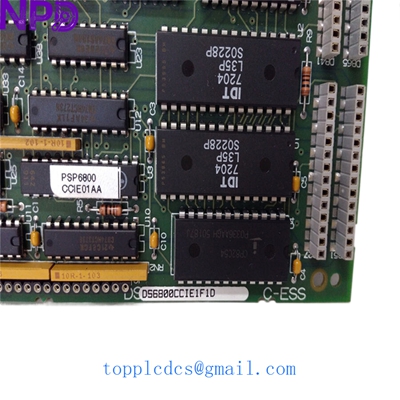

Description
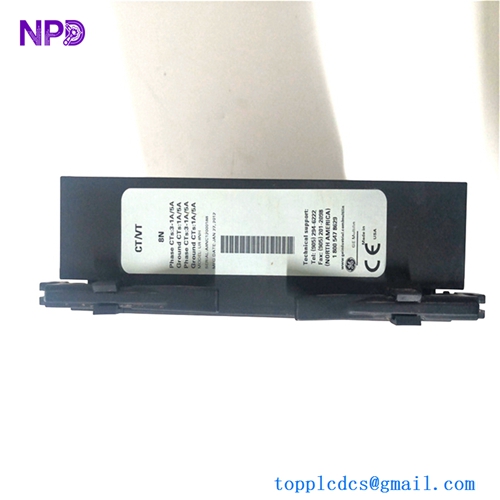
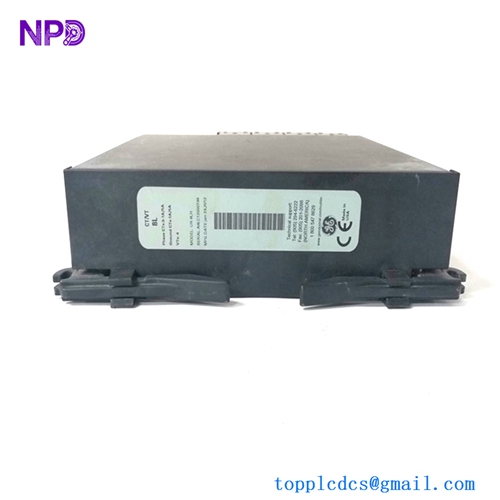
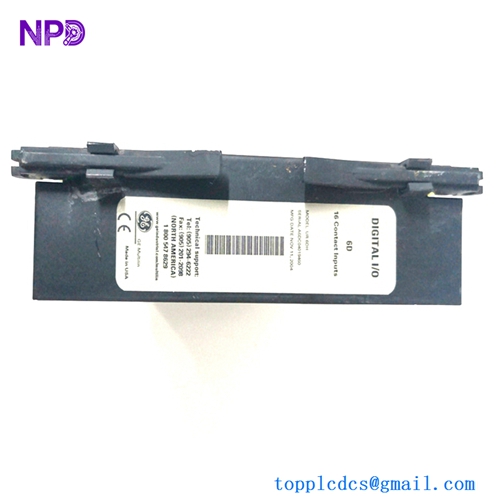
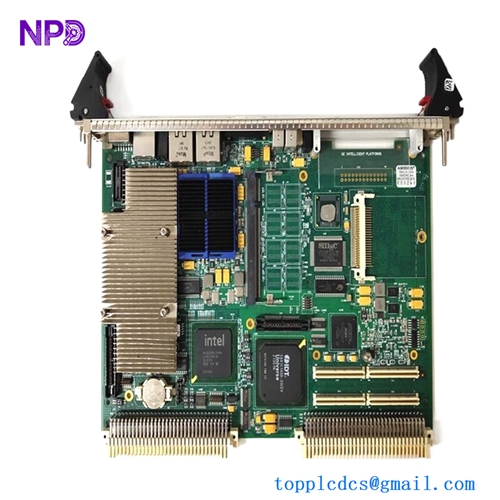
- Model: GE DS6800CCIE1F1D
- Brand: General Electric (GE)
- Series: Speedtronic Mark VIe Control System
- Core Function: Central processing and communication interface for turbine control
- Product Type: Controller / CPU Module
- Key Specs: High-speed Ethernet IONet Dual-core processing Embedded QNX OS
- Processor Type: High-performance industrial microprocessor (Dual-core)
- Memory: ECC DDR RAM (typically 256MB to 512MB depending on Rev)
- Operating System: QNX Neutrino RTOS (Real-Time Operating System)
- Communication Ports:
- 3 x IONet (10/100 Ethernet) ports for I/O module communication
- 1 x RS-232 serial maintenance port
- 2 x USB ports (Service use)
- Input Voltage: 24 V DC (18 – 30 V range)
- Diagnostic Display: 8-character LED scrolling display for fault codes
- Mounting: Rack-mounted controller frame
- Operating Temperature: 0 to +60 °C (32 to 140 °F)
- Isolation: High-speed galvanic isolation on Ethernet ports
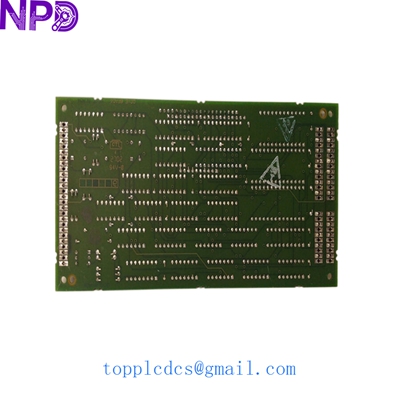
GE DS6800CCIE1F1D
Application Scenarios & Pain Points
The DS6800CCIE1F1D is essentially the “Central Nervous System” of a Mark VIe control rack. While older Mark systems relied on VME backplanes, the CCIE leverages IONet (Ethernet-based I/O) to process high-speed logic for gas and steam turbines. The primary pain point with this controller is “Firmware Mismatch” and “Boot Failures.” If the onboard compact flash or internal memory begins to degrade, the controller may hang during the boot sequence, leaving the turbine unable to start or, worse, causing a trip during operation.
Typical Application Scenarios:
- Combined Cycle Power Plants: Coordinating the control strategy between the gas turbine, steam turbine, and HRSG.
- Heavy-Duty Gas Turbines (Frame 7/9): Managing fuel-to-air ratios and DLN (Dry Low NOx) combustion parameters.
- Large-Scale Compression: Controlling centrifugal compressors in LNG processing facilities.
- Grid Frequency Regulation: Providing the high-speed processing required for primary frequency response.
Case Study: The Ghost in the Boot
Background: A power station in Europe was using a triple-redundant Mark VIe system. The <R> controller began intermittently dropping off the IONet.
The Problem: The site technician swapped the IONet cables, but the <R> controller continued to report “Loss of Communication.” Upon rebooting, the controller would occasionally get stuck at the “LOAD” stage on its LED display. The problem was a failing internal logic gate on the DS6800CCIE1F1D board that handled the Ethernet handshake.
The Solution: We provided a replacement DS6800CCIE1F1D from our tested stock. Before shipping, we loaded the board with the customer’s specific firmware version to ensure it would seamlessly “marry” with the existing <S> and <T> controllers.
The Result: The new controller was installed and immediately synchronized with the other cores. The system returned to “TMR” (Triple Modular Redundant) status, and the plant avoided a potential full-trip event that would have cost over $100,000 in downtime.
Compatible Replacement Models
| Original Model | Replacement Model | Compatibility | Main Difference | Effort Level |
| DS6800CCIE1F1D | DS6800CCIE1F1A | ✅ Direct Replace | Earlier firmware revision | Low (Firmware update) |
| DS6800CCIE1F1D | IS215UCVEM1A | ❌ Incompatible | Mark VI series VME board | High (Not possible) |
| DS6800CCIE1F1D | UCSCH1A | ⚠️ Software Compatible | Newer Mark VIeS Controller | High (System Migration) |
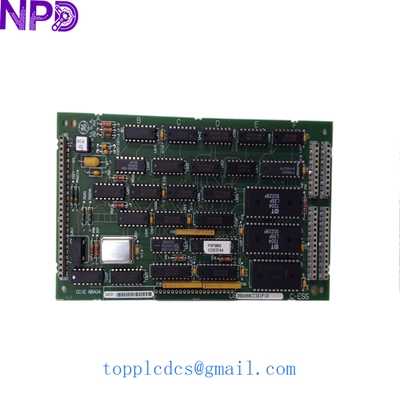
GE DS6800CCIE1F1D
SOP & Quality Transparency
Controllers are the most sensitive parts we handle. A failure here is a failure of the entire system.
- IONet Traffic Test: We connect all three Ethernet ports to a network switch and run a sustained ping and data transfer test to ensure zero packet loss.
- Boot Sequence Validation: We monitor the 8-character LED display through at least 20 cold-boot cycles to ensure the QNX kernel loads every single time without exception.
- Serial Port Check: We connect to the maintenance port via HyperTerminal/TeraTerm to verify that the internal diagnostic shell is accessible.
- DDR Stress Test: We run a memory diagnostic tool to check for bit-flips or ECC errors in the onboard RAM.
- Firmware Matching: We record the existing firmware version. If you provide your “ToolboxST” project version, we can verify compatibility before the unit leaves our facility.
Troubleshooting Quick Reference
| Symptom | Possible Cause | Relation to CCIE Board | Quick Check |
| LED stuck on “INIT” | Bootloader Failure | ✅ High | Check Compact Flash seating; if good, the board’s logic is faulty. |
| IONet 1/2/3 Link LED Off | Port Driver Failure | ✅ High | Swap the IONet cable with a known good one from a working controller. |
| “Sync” LED is Amber | Version Mismatch | ⚠️ Medium | Verify that the firmware on this controller matches the other two cores. |
| Intermittent Reboots | Power Supply Ripple | ⚠️ Medium | Measure the 24V DC input with a scope to check for noise. |
Systems-Thinking Note: ❗ Always backup your CF card. The DS6800CCIE1F1D often uses an internal or external flash card for its runtime code. Before swapping a controller, try to clone the old flash card. If the hardware is dead but the card is good, moving the card to the new controller can save hours of configuration work.
Additional Inventory Models
Looking for other Mark VIe or GE parts? We have these in stock:
- GE IS220PDIAH1A Discrete Input Module
- GE IS220PTURH1A Turbine Specific I/O
- GE IS200TRLYH1B Relay Termination Board
- GE IS220PAICH1A Analog I/O Module
- GE IS215UCVEH2A VME Controller
- GE DS6800CCIE1F1D (This Model)
- GE IS200STCIH1A Simplex Contact Terminal Board
- GE IC695CPU315 PACSystems RX3i CPU
For more technical data or to request an urgent quote, visit www.newplcdcs.com.