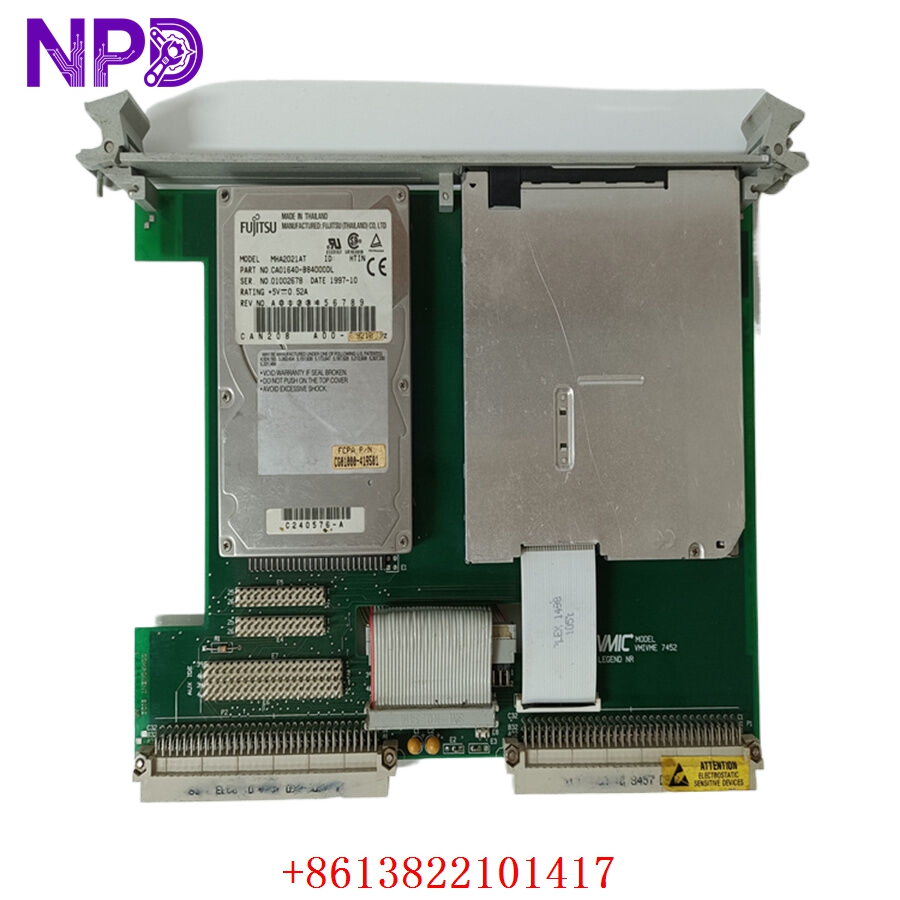
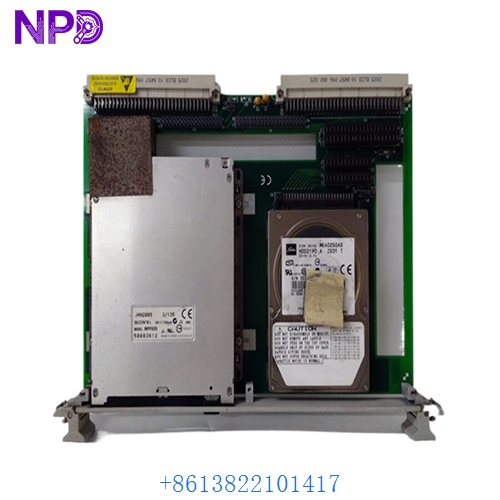

Description
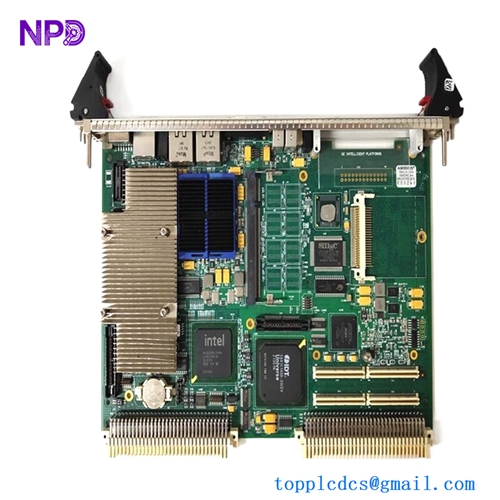
- Model: VMIVME-7452
- Brand: GE Fanuc / VMIC (VME Microsystems International Corporation)
- Series: VMEbus Computing & I/O
- Core Function: A high-performance VMEbus-based Single Board Computer (SBC) or intelligent I/O controller, historically used in high-speed data acquisition, military, aerospace, and critical infrastructure control systems.
- Product Type: VMEbus Module / Embedded Controller
- Key Specs: Features advanced processor architecture (typically Intel-based depending on specific sub-revision), VMEbus interface logic, and onboard I/O ports.
The VMIVME-7452 is an engineered-to-order VMEbus module. Because the VME standard is highly modular, these boards were often configured with custom memory, I/O daughterboards, or specific firmware to meet the exact requirements of the original OEM application.
- VMEbus Compatibility: Fully compliant with VME64 standards, allowing for multi-master communication across the VME backplane.
- Processing Power: Designed for deterministic real-time processing, making it suitable for hardware-in-the-loop (HIL) simulation and high-speed motion control.
- I/O Flexibility: Often includes integrated Ethernet, serial (RS-232/485), and specialized PMC (PCI Mezzanine Card) expansion slots to allow for custom I/O configurations.
- Ruggedization: Engineered for extended temperature ranges, high-vibration chassis mounting, and electromagnetic interference (EMI) protection.
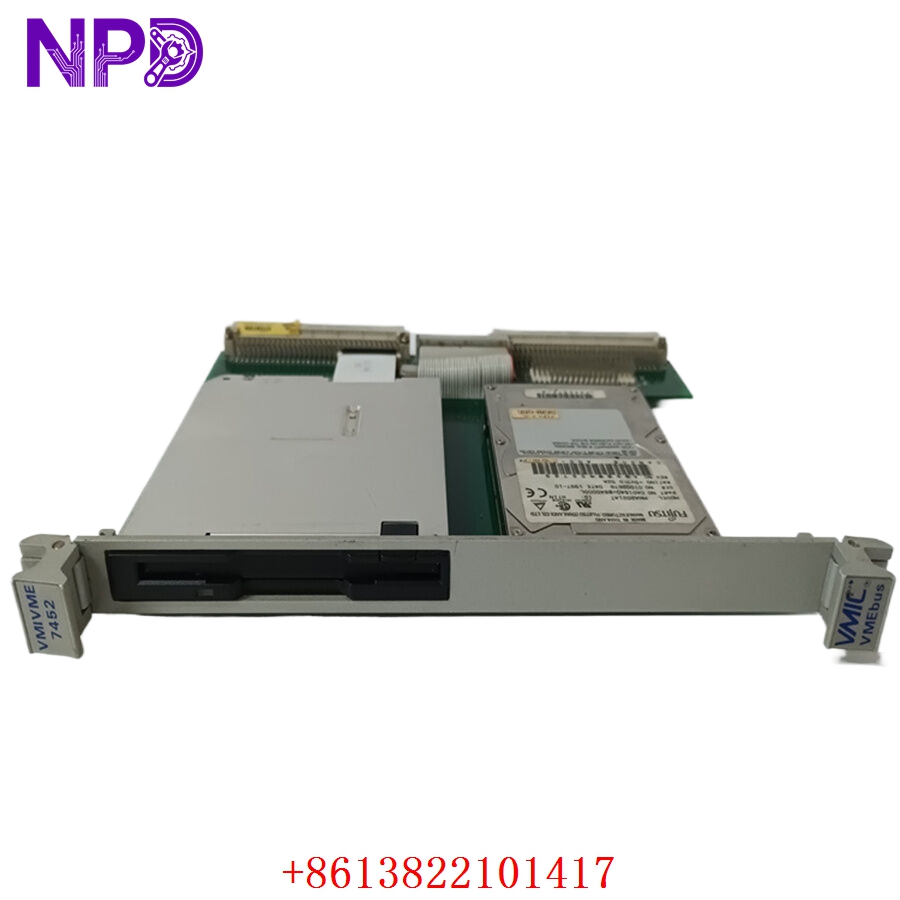
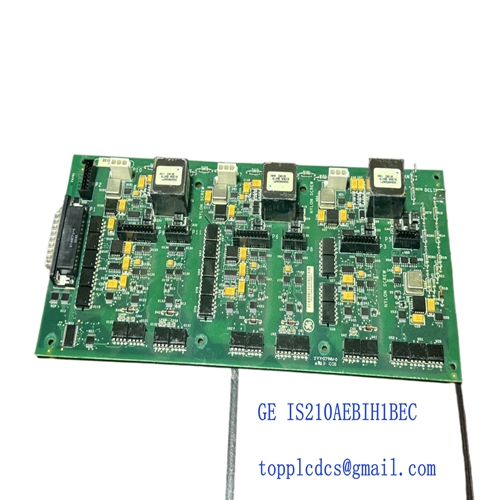
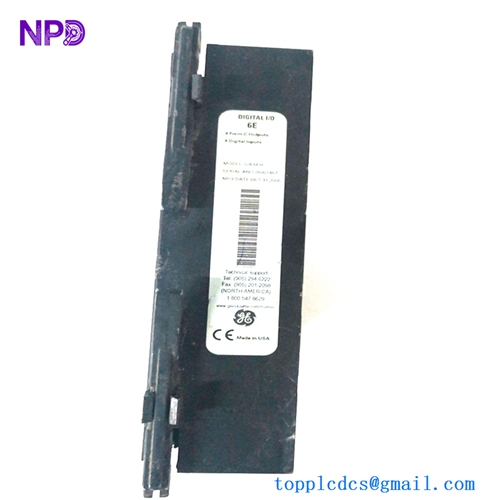
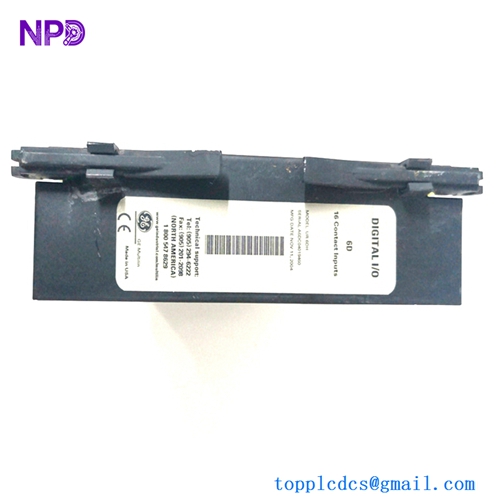
GE VMIVME-7452
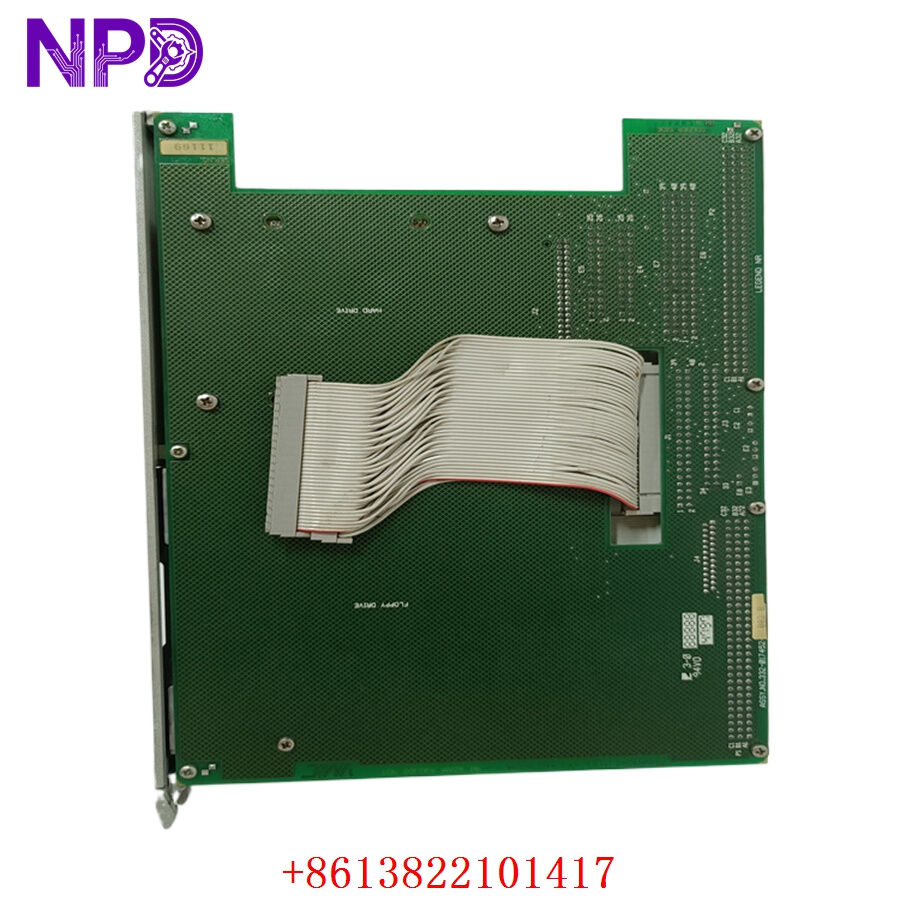
GE VMIVME-7452
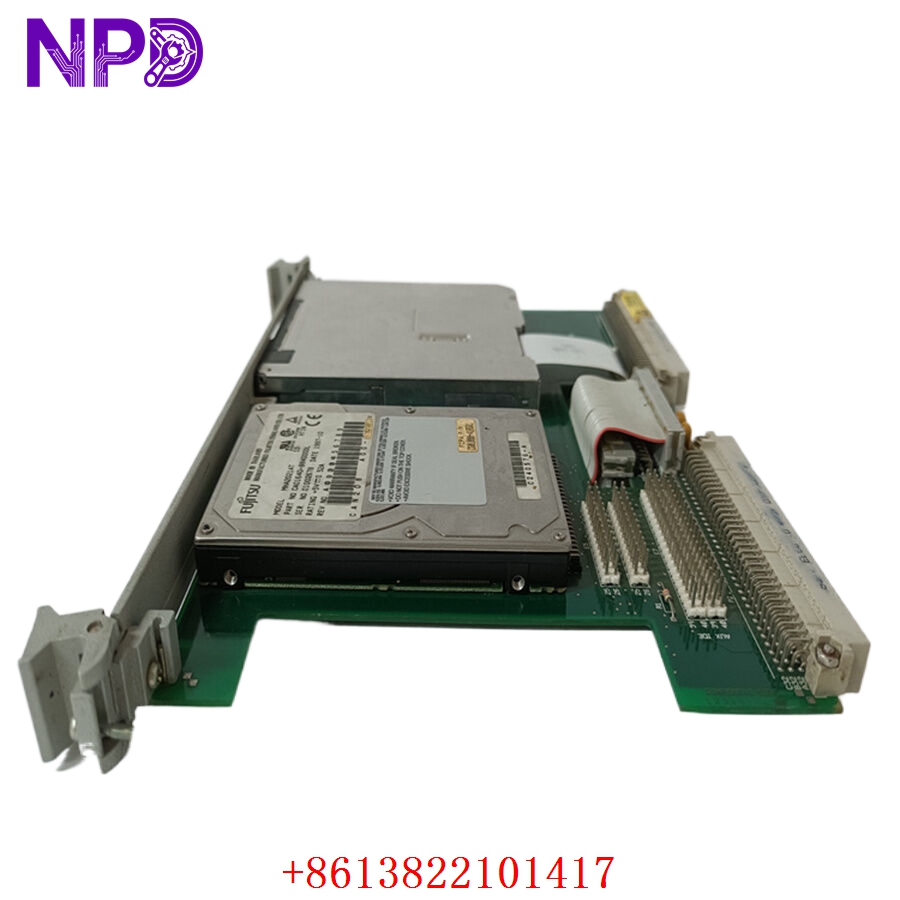
GE VMIVME-7452
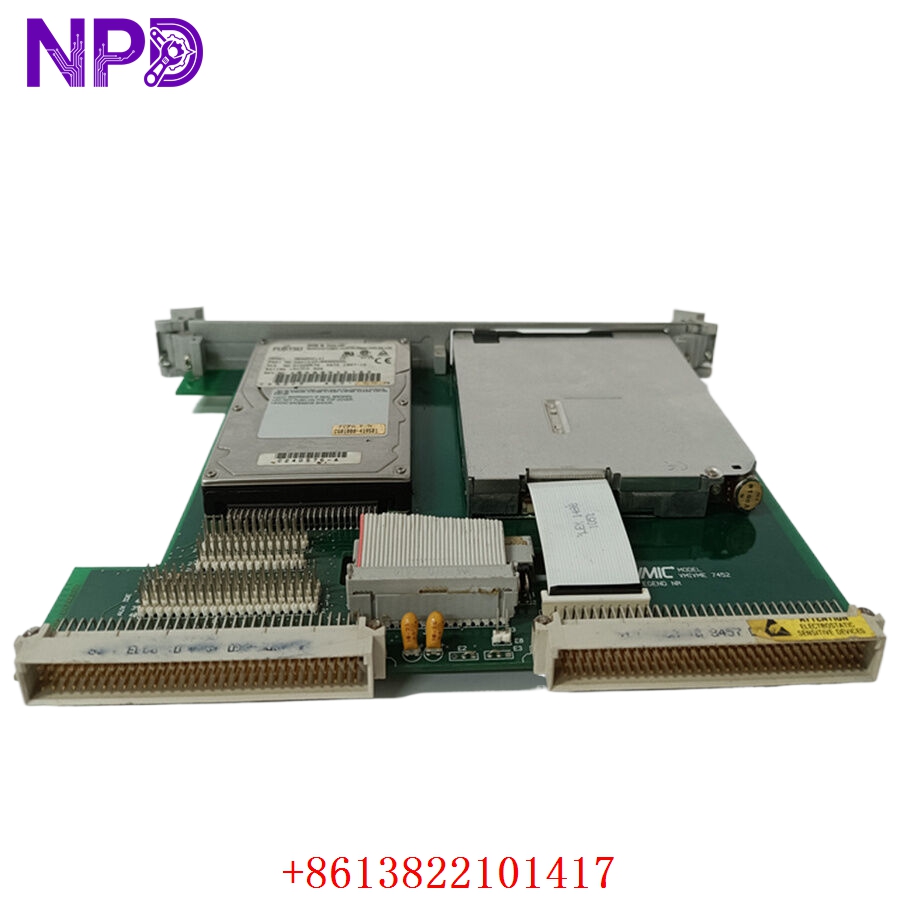
GE VMIVME-7452
The On-Site Reality
Modules like the VMIVME-7452 are often the “brains” of a legacy control rack. Because these systems are typically mission-critical, they are rarely upgraded until hardware failure forces the issue. When a 7452 fails, the challenge isn’t just the board itself—it is the custom configuration. These boards often contain specific BIOS settings, jumper configurations, or even custom EPROM firmware that was written decades ago.
Typical Deployment Scenarios
- Aerospace Testing: Real-time flight control simulation and test rigs.
- Power Generation: Older turbine control systems and high-speed data logging racks.
- Defense Systems: Radar processing and signal intelligence data acquisition.
- Automated Test Equipment (ATE): Factory-level reliability testing for high-end electronics.
Troubleshooting Quick Reference
❗ SAFETY FIRST: VMEbus systems can operate on multiple voltage planes (+5V, +/-12V, etc.). Always verify the backplane power status with a meter before attempting to extract or insert the module.
- “No Boot” / Status LEDs: If the board fails to initialize, check the front-panel diagnostic LEDs. A flashing red light often indicates a “Bus Error” or “Self-Test” failure, meaning the board cannot communicate with the VMEbus backplane.
- VMEbus Address Conflicts: If you are replacing the unit, ensure all onboard DIP switches and jumpers are set exactly as they were on the failed unit. These set the VMEbus address space; an incorrect setting will lead to a system-wide address conflict.
- Backplane Connector Fatigue: VME pins are prone to “micro-fretting” due to thermal cycling. If you experience intermittent crashes, remove the board and inspect the rear P1/P2 connectors. Use a contact cleaner and a soft brush to remove any oxidation before reseating.
Procurement & Installation Advice
- Configuration Check: Before buying a spare, confirm your specific board’s full part number, including any “S” or “R” suffixes. These suffixes denote whether the board has custom RAM, specific processor speeds, or added I/O headers.
- BIOS/Firmware Portability: Even if you get an identical board, you may need to swap your old board’s EPROM/Flash chip onto the new board to preserve your application-specific software.
- Refurbishment Verification: Since these units are decades old, ensure that the supplier has performed capacitor replacement (recapping). Electrolytic capacitors from the VMIC era are prone to drying out, which causes “ghost” faults and unstable processor behavior.