
Description
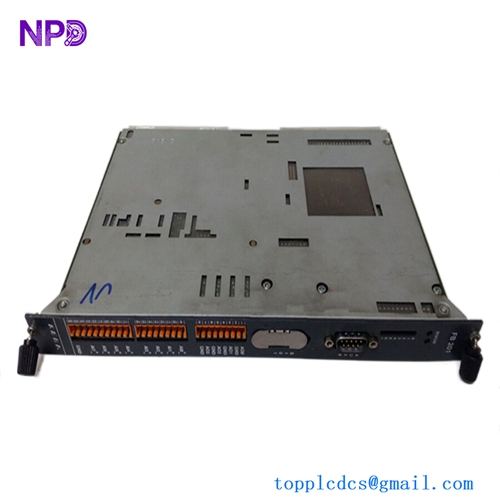
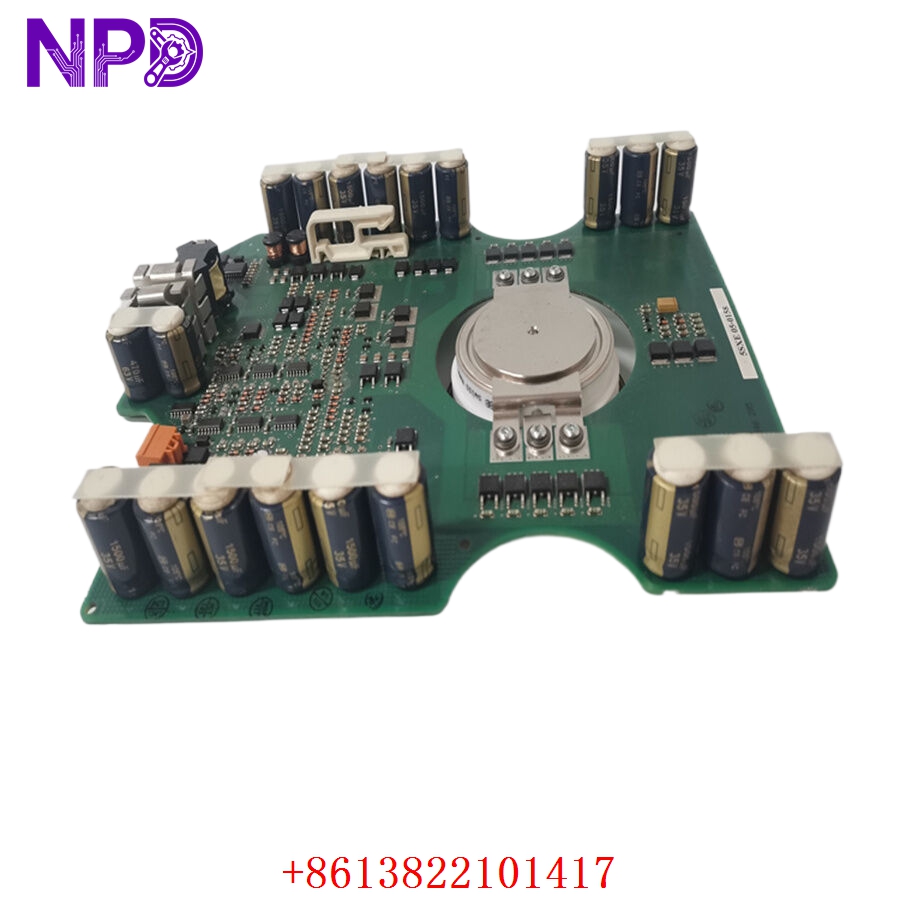
The GE IS200FCGEH1ADA (base model IS200FCGEH1A) is a core component within the GE Mark VI Turbine Control System and the LS2100 Static Starter series. It functions as the LCI (Load Commutated Inverter) Control and Gating-Exciter board, serving as a critical bridge between the turbine control processors and the motor field exciter.
Technical Specifications
- Manufacturer: General Electric
- Series: Mark VI Turbine Control / LS2100 Static Starter
- Architecture: VME-type circuit board
- Primary Connectors: * 2 x 96-pin VMEbus interface connectors
- 2 x 20-pin internal ribbon cable connectors (reserved for factory testing)
- Key Indicators: Onboard LEDs for monitoring “Active” status and “IMOK” (system health) heartbeat.
- Inputs/Outputs: 6 analog voltage input channels for feedback, combined with 6 high-speed firing command drivers.
Operational Functionality
The IS200FCGEH1ADA is responsible for the precise synchronization and timing required for turbine startup and load management:
- Gating Command Generation: The board executes commands to trigger the Silicon Controlled Rectifiers (SCRs) within the exciter bridge. The system processor can command these drivers to fire individually or in synchronous groups to control power delivery.
- Conduction Detection: Through a sophisticated voltage comparator circuit, the board monitors the state of the power cells. This feedback loop is essential for verifying that the SCRs have successfully fired and are conducting, which protects the system from commutation failures.
- Heartbeat Monitoring: The board maintains continuous communication with the LCI processor, ensuring that any timing errors or communication loss result in an immediate fail-safe shutdown to protect the turbine-generator set.
Integration and Maintenance
- Installation: As a rack-mounted VME board, it must be seated securely into the Mark VI control cabinet’s backplane. Proper grounding and electrostatic discharge (ESD) precautions are mandatory during handling.
- Diagnostics: The onboard diagnostic LEDs provide immediate visual confirmation of the board’s health. If the “IMOK” LED is not illuminated, it typically indicates a internal power rail fault, a processor handshake failure, or a critical hardware mismatch.
- Revision Notes: The “ADA” suffix refers to the specific board revision. While generally compatible with the “A” series family, it is critical to verify that the Mark VI control software is configured to recognize the specific revision of the hardware installed.