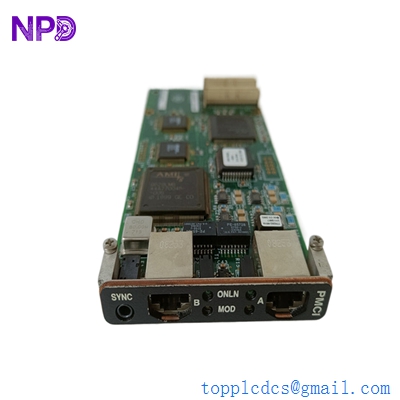
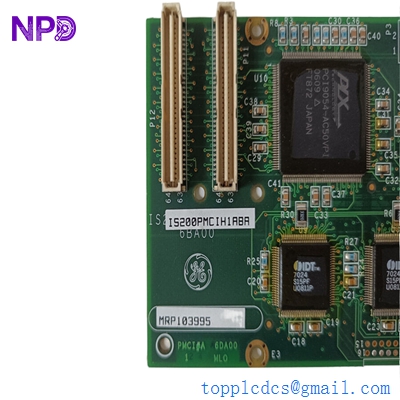

Description
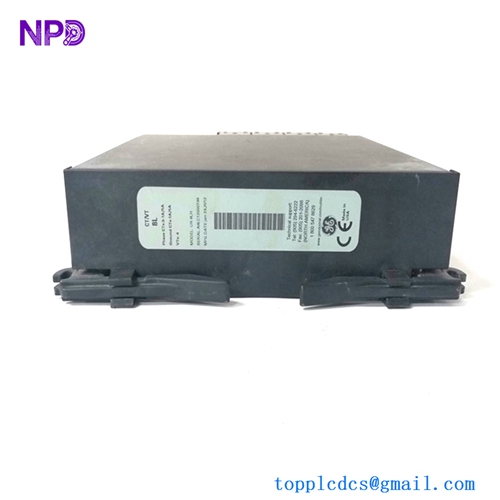
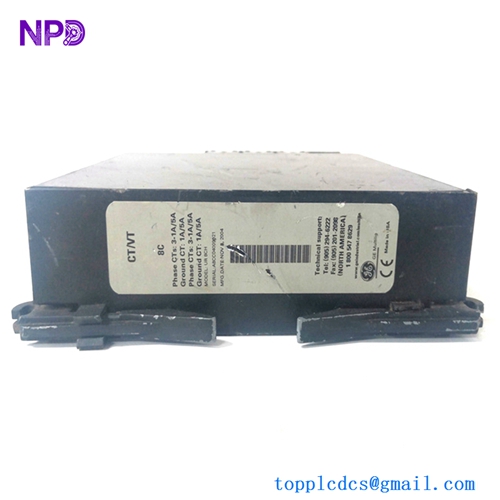
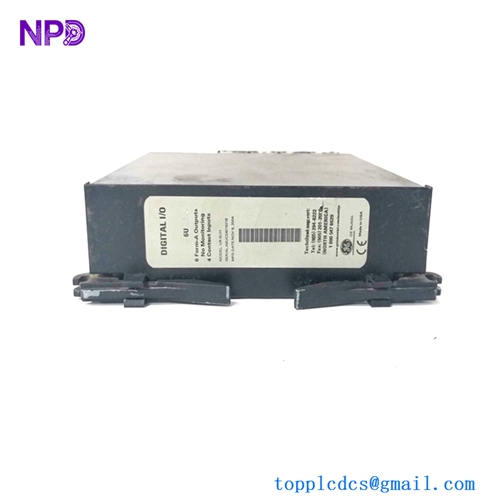
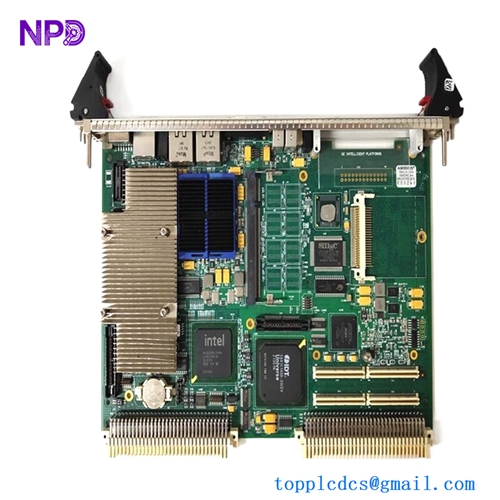
- Model: GE IS200PMCIH1ABA
- Brand: General Electric (GE)
- Series: Mark VI Speedtronic Control System
- Core Function: Power Management and Control Interface for I/O rack communication
- Product Type: Power Distribution Interface Board
- Key Specs: Dual 24 V DC inputs, High-speed control bus interface, 125 V DC sensing capability
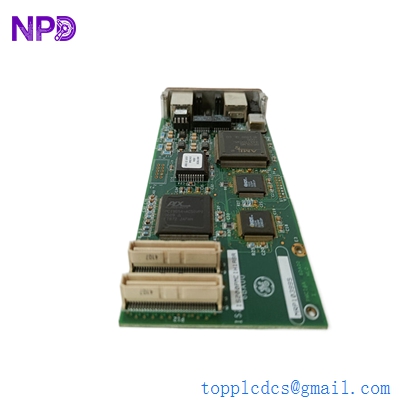
GE IS200PMCIH1ABA
Key Technical Specifications
- Board Revision: H1ABA (Revision A allows for specific thermal management improvements)
- Input Voltage: Dual 24 V DC (Redundant power supply architecture)
- Power Output: Distributes regulated power to internal logic and I/O cards
- Control Bus: Supports IONet high-speed Ethernet communication backplane
- Sensing Channels: Integrated feedback for monitoring cabinet DC voltage levels
- Mounting: Direct plug-in to the Mark VI control rack backplane
- Indicators: Status LEDs for Power Good, Link Activity, and Module Fault
- Environmental: Rated for industrial cabinet installation (up to 60 °C)
- Protection: Integrated overcurrent and reverse-polarity protection
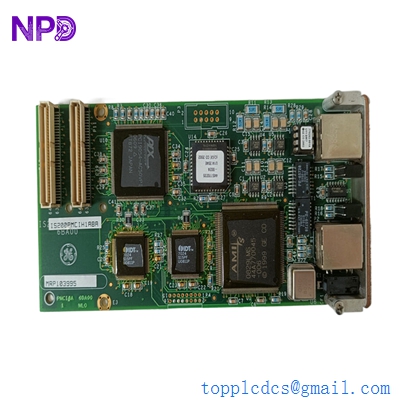
GE IS200PMCIH1ABA
Application Scenarios & Pain Points
The PMCI board is the “heartbeat” of the Mark VI power distribution system. If this board fails, the entire I/O rack it supports usually goes dark. In large-scale power generation, a failure here doesn’t just trigger an alarm; it can cause a “Trip” because the controller loses the ability to sense or control the power state of the I/O modules. The biggest pain point for engineers today is that the Mark VI is aging, and these boards are prone to “silent failure”—where the board seems fine, but internal voltage regulation begins to drift, causing intermittent sensor errors.
1. Power Plant Main Turbine Control
The DS200PMCIH1ABA handles the interface between the central controller and the I/O modules that manage fuel valves and steam actuators. High reliability is mandatory here to prevent unplanned outages.
2. Generator Protection Systems
Used to monitor cabinet power integrity in generator protection racks, ensuring that protection relays have a stable and clean power source.
3. Industrial Cogeneration
Common in large paper mills or chemical plants where onsite power generation must be synchronized with the grid.
Case Study: The “Mystery Fault” in the Steam Plant
Background: A paper mill in Southeast Asia used a GE Mark VI system to manage their steam turbine. They started experiencing “I/O Communication Loss” errors that would clear themselves after a reboot, but they were becoming more frequent.
The Problem: The site team replaced the communication cables and the I/O modules, but the problem persisted. Every time the mill hit peak load, the system would glitch. They were losing 4 hours of production per week, roughly $85,000 in downtime.
The Solution: After analyzing the diagnostic logs, we suspected the PMCI board’s voltage regulator was sagging under high thermal load. We supplied a tested IS200PMCIH1ABA from our stock. Our QA process included a 24-hour load test at 55 °C to ensure stability under stress.
The Result: Once the new PMCI board was installed, the communication glitches stopped immediately. The “drifting” voltage was the culprit.
- Avoided Loss: Stabilized production, saving approximately $340,000 per month in potential downtime.
- Takeaway: In a Mark VI system, “I/O errors” are often actually “Power errors.” Check your PMCI board early.
Compatible Replacement Models
| Original Model | Replacement Model | Compatibility | Key Differences | Workload |
| IS200PMCIH1A | IS200PMCIH1ABA | ✅ Direct | H1ABA has better noise filtering | Plug & Play |
| IS200PMCIH1B | IS200PMCIH1ABA | ⚠️ Software | B-revision may require firmware update | Check Toolbox version |
| IS215 series | IS200PMCIH1ABA | ❌ Incompatible | Completely different form factor | System upgrade required |
Engineer’s Advice: I’ve found that the “H1ABA” revision is the most stable version of this board. If you are still running the original “H1A” (no suffix), it’s worth swapping it out during your next planned outage as a preventative measure. The older revisions tend to run hotter, which shortens the lifespan of the electrolytic capacitors.
Troubleshooting Quick Reference
| Symptom | Possible Cause | PMCI Related? | Quick Check | Action |
| I/O Rack “Off-line” | Loss of 24 V DC | ✅ High | Measure voltage at the rack power input | Check PMCI fuses/breakers |
| Flashing Red Fault LED | Internal Self-test Fail | ✅ High | Reboot the rack and check LED pattern | If it persists, replace board |
| “Control Bus” Error | IONet Link Down | ⚠️ Medium | Check Ethernet/Link LEDs on PMCI | Replace IONet cable first |
| Intermittent Trips | Voltage Ripple | ✅ High | Use an oscilloscope on the 5V logic rail | Replace PMCI if ripple > 50mV |
Expert Maintenance Tips:
- Check the Seating: ❗ Critical! The Mark VI rack connectors are dense. When installing the IS200PMCIH1ABA, ensure it is fully seated and the jack-screws are tightened. A loose connection on the power bus can cause arcing, which will destroy the backplane.
- Firmware Matching: Before you swap the board, check your “Toolbox” software version. Sometimes a new revision of the PMCI requires a minor update to the system configuration to recognize the hardware ID correctly.
- The Finger Test: If you can safely access the board while running, check the temperature of the inductors. If one is significantly hotter than the others, it’s a sign that a downstream I/O card is pulling too much current, or the PMCI’s regulation circuit is failing.