Description
| Parameter | Specification |
| Model Number | IS200VAICH1DAB |
| Manufacturer | General Electric (GE) |
| Series | Mark VI Speedtronic |
| Board Type | Analog Input Control Board |
| Input Channels | 10 or 20 Differential Inputs (Configuration Dependent) |
| Input Range | 0-20 mA, 4-20 mA, or +/- 10V DC |
| A/D Conversion | 16-bit Resolution |
| Power Consumption | +5V DC, +/- 15V DC via VME backplane |
| Operating Temp | 0 to 60°C (32 to 140°F) |
| Interface | VMEbus Standard |
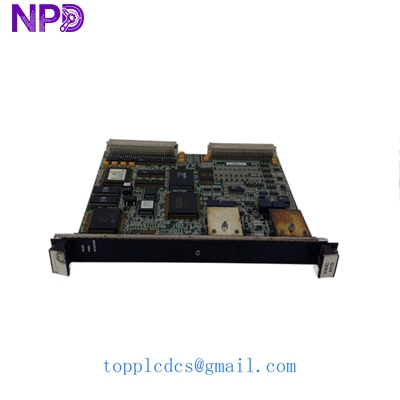
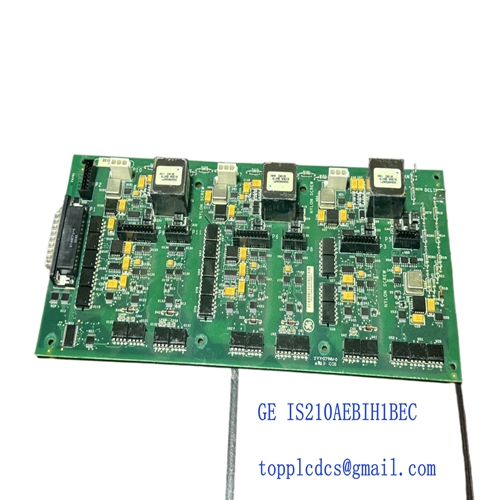
GE IS200VAICH1DAB
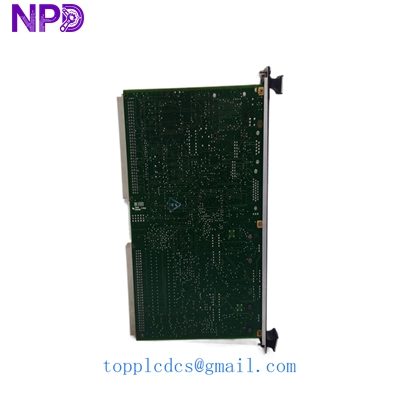
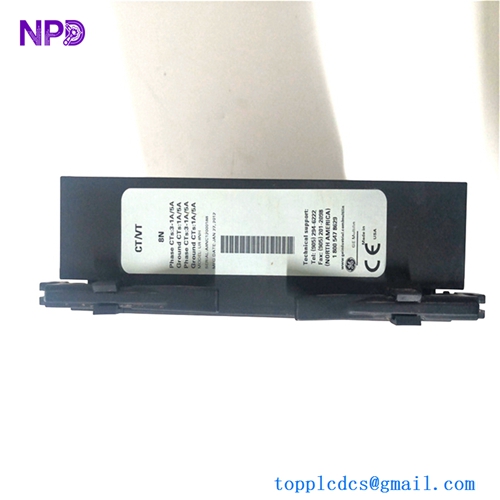
GE IS200VAICH1DAB
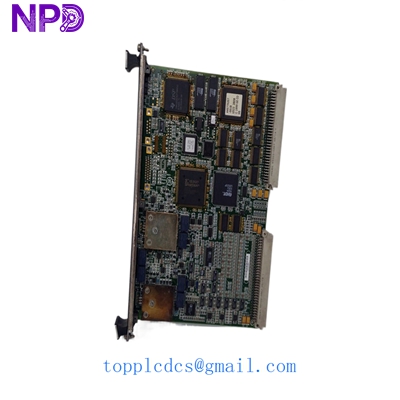
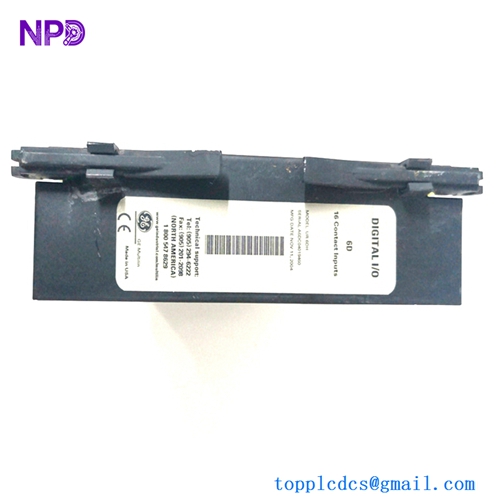
GE IS200VAICH1DAB
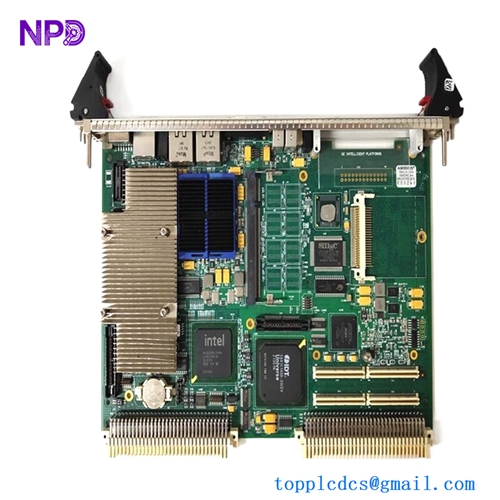
The GE IS200VAICH1DAB functions as a high-density analog input interface designed for the Mark VI Speedtronic system, processing various sensor signals into digital data for the controller. This circuit board features multiple input channels that support current and voltage signals, providing the necessary feedback for turbine control and monitoring. Its integration within the VME rack ensures seamless communication with the main processor, while the hardware revision “DAB” indicates specific component enhancements for long-term operational stability in industrial environments.
Operational Guidelines and Maintenance
Product Operation Tips:
- Electrostatic Discharge (ESD): Always wear a grounded wrist strap when handling the module to prevent static damage to sensitive CMOS components.
- Hot Swapping: Do not remove or insert this board while the VME rack is powered unless the specific system configuration expressly permits hot-plugging.
- Configuration: Ensure the jumpers and software settings in the Toolbox application match the physical wiring of the terminal blocks.
Maintenance Procedures:
- Visual Inspection: Periodically check for signs of thermal stress, such as discoloration on the board surface or bulging capacitors.
- Cleaning: Use dry, low-pressure compressed air to remove dust accumulation that can interfere with heat dissipation.
- Connection Integrity: Verify that the edge connectors are clean and that the board is firmly seated in the rack to maintain consistent signal paths.