
Description
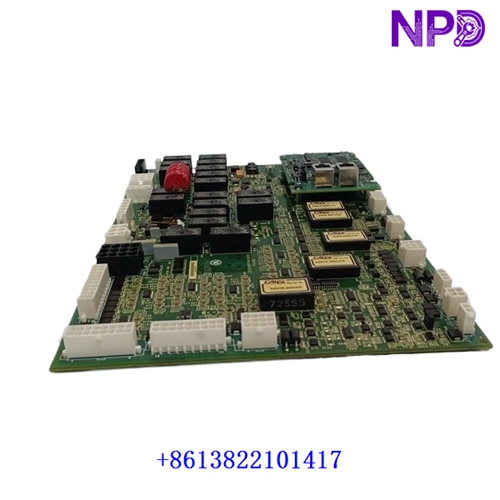
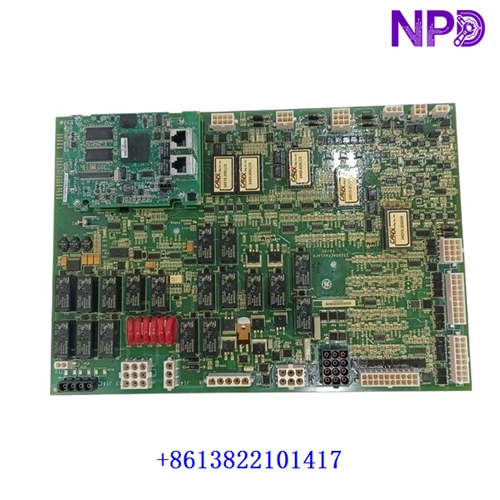
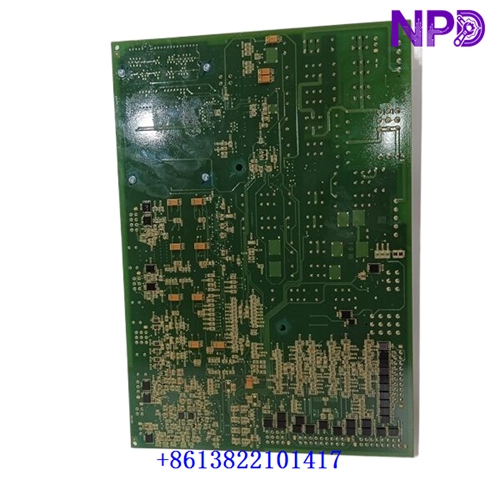
The GE IS210BPPBH2CAA is a high-performance control processor board engineered specifically for the General Electric Mark VIe and Mark VIeS distributed control system (DCS) platforms. It serves as a central intelligence and processing node, playing a vital role in heavy-duty gas and steam turbine management, compressor controls, and complex industrial power generation automation. Built with advanced microprocessor architecture, it executes critical control logic at high speeds, manages internal backplane communications, and provides robust diagnostic feedback to ensure maximum operational uptime, precision, and safety in demanding industrial environments.
📊 Product Datasheet
| Parameter | Value |
| Brand | GE (General Electric) |
| Model | IS210BPPBH2CAA |
| Series | Mark VIe Distributed Control System |
| Product Name | Control Processor Board |
| Origin | USA / Ireland |
| Product Status | Active / Industrial Automation Spare Part |
| Dimensions | Standard Mark VIe Printed Circuit Board Form Factor |
| Weight | 0.5 kg |
| Country of Origin | United States (US) / Ireland (IE) |
| Power Rating | Low Voltage DC Backplane Powered |
🛠️ Operation Standards and Usage Methods
🔸 Handling Precautions: Always ensure that the Mark VIe controller rack is completely de-energized and locked out before inserting or removing the IS210BPPBH2CAA module. Wear a certified anti-static wrist strap at all times to prevent electrostatic discharge (ESD) damage to sensitive microelectronic components.
🔸 Installation Procedure: Align the board carefully with the designated slot guides within the controller rack. Push it evenly and firmly until the edge connectors engage fully with the backplane, then secure any retention screws or locking levers.
🔸 System Initialization: Power on the control rack and observe the onboard diagnostic LED indicators. Use the official GE configuration software to verify firmware versions, check node communication status, and confirm normal operational readiness.
🚨 Emergency Shutdown Procedures
🔺 System Trip Activation: In the event of an emergency turbine trip, critical overspeed, or dangerous process condition, immediately execute the system-level emergency shutdown sequence via the safety instrumented system (SIS) or master emergency pushbuttons.
🔺 Power Disconnection: If a hardware replacement or emergency intervention is required on the processor board itself, switch off the rack’s primary power supply feed to avoid electrical hazards.
🔺 Post-Incident Inspection: Allow all components to stabilize completely following an emergency trip. Review system event logs via the engineering workstation to analyze the exact trigger sequence before attempting any restart or maintenance procedure.
🔍 Troubleshooting and Common Issues
⚠️ Issue 1: Board Communication Failure or Fault LED Active
Troubleshooting Method: Verify that the IS210BPPBH2CAA board is fully and securely seated in its backplane slot. Inspect all Ethernet and internal communication cables for secure connections and absence of physical damage.
⚠️ Issue 2: Firmware Mismatch or Configuration Error
Troubleshooting Method: Connect to the controller via the configuration software to check for configuration conflicts or outdated firmware. Re-download the correct project configuration if a mismatch is detected.
⚙️ Routine Maintenance and Care
🔹 Periodic Visual Inspection: Conduct routine monthly inspections of the control cabinet to check for dust accumulation, secure terminal connections, and proper operation of cabinet cooling fans.
🔹 Environmental Monitoring: Ensure that the control room or electrical enclosure environment maintains stable ambient temperatures and non-condensing humidity levels to prevent electronic component degradation.
🔹 Software and Diagnostic Audits: Periodically review system diagnostic summaries and error logs through the engineering software to track hardware health and catch minor communication warnings early.
💡 Frequently Asked Questions Q&A
❓ Q1: Can the IS210BPPBH2CAA board be hot-swapped while the system is live?
💬 A1: Depending on the specific Mark VIe rack configuration and redundancy setup, certain modules support hot-swapping, but it is generally recommended to follow plant safety protocols and verify redundancy status before replacing live control boards.
❓ Q2: What is the primary function of this board in the Mark VIe system?
💬 A2: It acts as a central control processor handling application software execution, I/O scanning, and high-speed network communication for turbine and industrial process management.
❓ Q3: How should spare IS210BPPBH2CAA boards be stored?
💬 A3: Store spare units in their original anti-static packaging within a clean, dry, climate-controlled environment free from corrosive atmospheres, moisture, and mechanical vibrations.