
Description
Product Core Brief
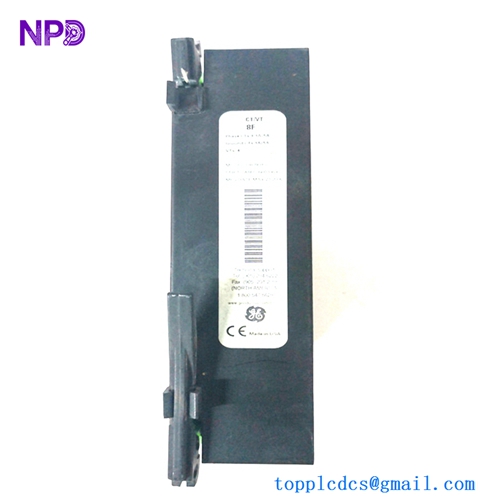
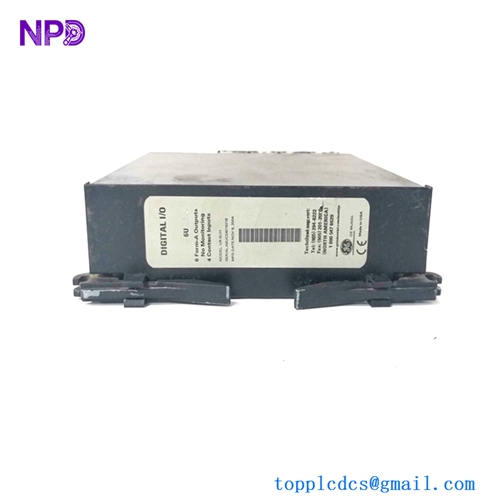
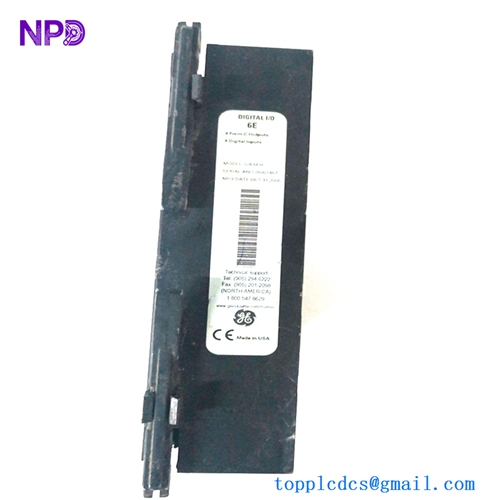
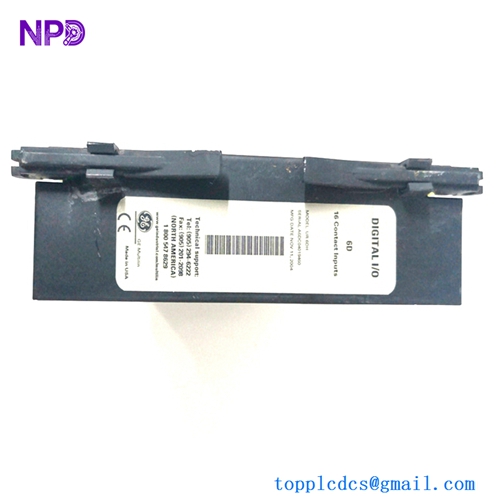
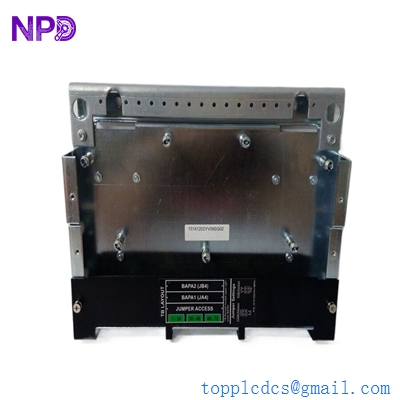
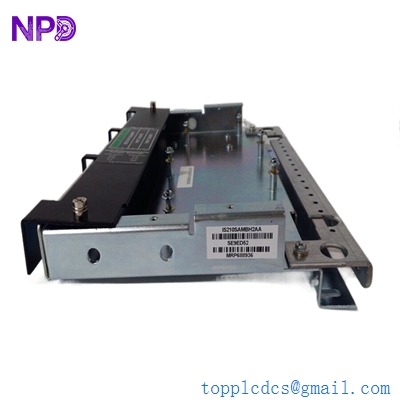
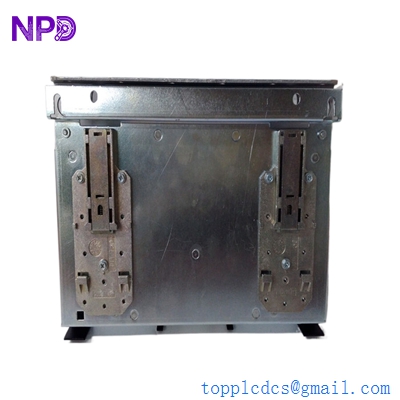
- Model: GE IS210SAMBH2AA
- Brand: GE (General Electric / GE Vernova)
- Series: Mark VI / Mark VIe Distributed Control/Turbine Control System
- Core Function: Servo control and analog/digital signal acquisition for turbine automation systems
- Type: Control/servo interface module
- Key Specs: Multi-channel analog/digital interface High-speed backplane communication Industrial isolation & diagnostics
GE IS210SAMBH2AA
Key Technical Specifications
- System Compatibility: GE Mark VI / Mark VIe turbine control systems (standard I/O racks)
- Channels: Multi-channel analog/digital I/O/servo control pathways (model-dependent configuration)
- Signal Types: ±10 V DC, ±40 mA analog or digital feedback/command interfaces (typical for turbine control loops)
- Backplane Communication: High-speed data exchange via Mark VIe rack bus (≈1 Gbps with low latency)
- Isolation: ≥1500 VAC channel-to-channel isolation; robust EMI suppression
- Operating Temp: −40 °C to +70 °C (industrial)
- Physical Interface: Slot-mounted module for standard Mark VIe rack
- Diagnostics: On-board self-test, fault reporting, hot-swap support (system dependent)
Installation & Configuration Guide
Preparations (≈10 min)
⚠️ Safety First
- Notify operations of maintenance window; ensure turbine control logic transitions to safe state.
- De-energize the control rack and remove power sources.
- Wear ESD protection and gather tools: Philips screwdrivers, multimeter, labels, camera.
Documentation
- Photograph existing module position, wiring, and configuration labels.
- Export control system configuration if supported.
Remove Old Module (≈5 min)
- Open the control cabinet and identify the IS210SAMBH2AA slot.
- Label and gently unplug backplane connectors.
- Loosen any retaining clips and pull module straight out.
In my experience, documenting wiring before removal saves at least 15 min during reinstallation.
Install New Module (≈10 min)
- Confirm the module part number matches exactly.
- Insert module into the Mark VIe rack slot with even pressure.
- Secure with clips/screws.
- Reconnect all backplane and field connectors per labelled photos.
Checklist
- Correct part installed
- Connectors fully seated
- Retaining hardware secure
Power-On & Testing (≈15 min)
- Restore control rack power.
- Verify front panel LEDs for normal module status.
- Connect to GE configuration/diagnostics software (e.g., Proficy Machine Edition or Mark VIe tools).
- Ensure servo analog/digital data flows correctly; verify signal ranges.
Functional Checks
- Field-to-controller communication
- Channel activity reports
- No error/fault flags
Tip: Let the system run for at least 30 min under typical load conditions before closing the cabinet.
GE IS210SAMBH2AA
Customer Cases & Industry Applications
Gas Turbine Control Integration in Power Generation
Situation:
A 300 MW gas turbine with GE Mark VIe controls exhibited inconsistent actuator positioning during load transitions due to an aging I/O/servo module.
Task:
Maintenance needed a reliable spare to minimize schedule risk and prevent partial derates during peak demand.
Action:
We supplied a brand new IS210SAMBH2AA as strategic buffer stock, tested for signal integrity and isolation. On scheduled maintenance, technicians performed a slot swap.
Result:
Servo accuracy and actuator response stabilized; governor loop performance improved. Planned output increased by reducing control hold times.
Industrial Combined Cycle Reliability Upgrade
Situation:
A combined cycle plant faced intermittent controller alarms traced to a degrading analog acquisition/servo module in the Mark VI architecture.
Task:
Avoid unplanned trips caused by false diagnostics and avoid prolonged lead times from OEM.
Action:
The operations manager adopted a cross-site inventory strategy with one IS210SAMBH2AA spare centrally located.
Result:
When the installed module failed, the spare enabled replacement within hours, eliminating a potential outage.
Frequently Asked Questions (FAQ)
Q1: What does GE IS210SAMBH2AA do in the Mark VI/VIe system?
A: It’s a multi-channel analog/servo I/O module that interfaces actuator commands and feedback with the main controller, crucial for precise turbine control and positioning logic.
Q2: Is this part hot-swappable?
A: Many Mark VIe systems support hot swapping for I/O modules, but verify your controller configuration; hot swap depends on system redundancy and safety logic.
Q3: What’s the operating environment?
A: Designed for typical industrial control environments (−40 °C to +70 °C), with strong EMI resistance and vibration tolerance.
Q4: How should I stock this part?
A: Given its role in critical control loops, keep at least one on-site as buffer stock; for systems with long lead times, consider vendor-managed safety levels to avoid extended downtime.
Q5: Does this module require configuration after installation?
A: Usually the control system recognizes it automatically; use GE configuration tools to verify channel mapping and diagnostics settings.
Q6: How does its isolation help?
A: High isolation prevents interference propagation and improves signal integrity in harsh industrial environments, reducing false trips and noise-induced faults