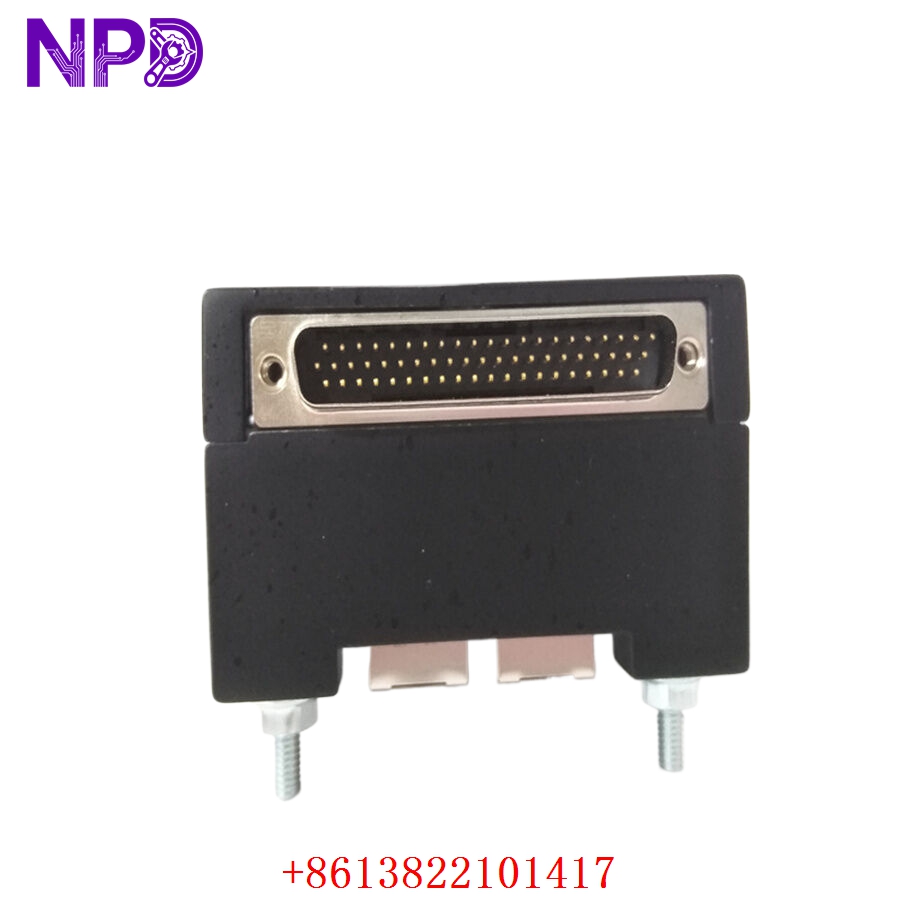
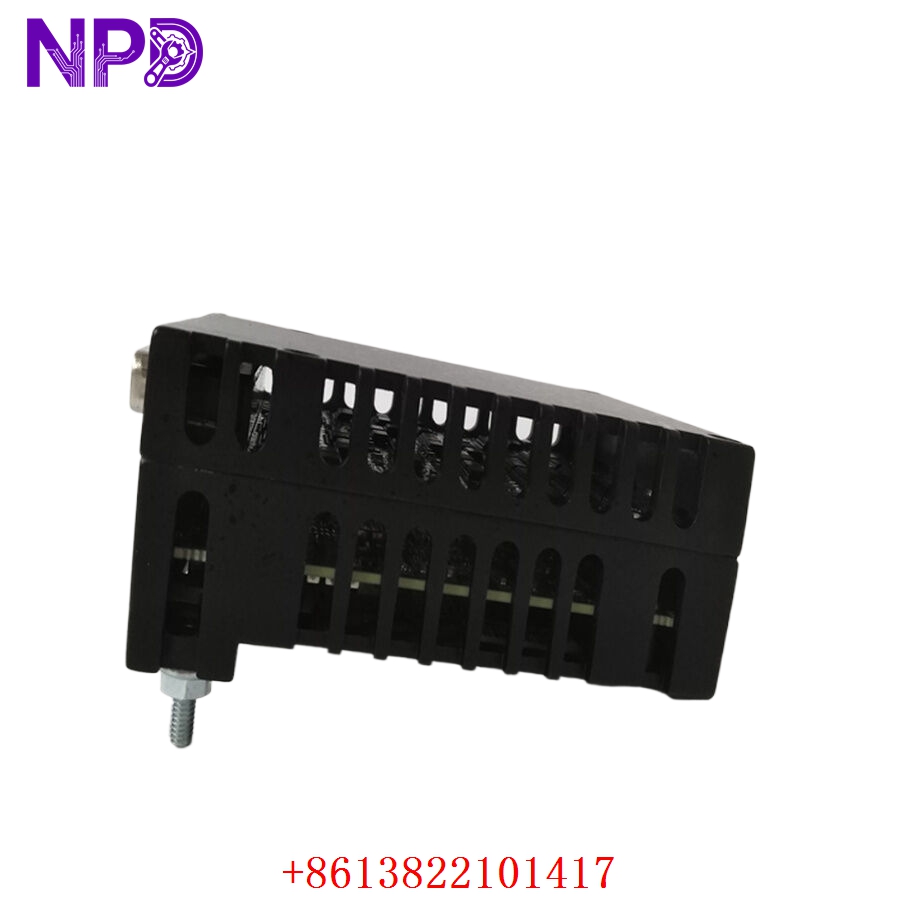

Description
- Model: IS220PSVOH1B (Functional Class: PSVO)
- Brand: General Electric (GE Energy / Speedtronic)
- Series: Mark VIe Distributed Control System (DCS)
- Core Function: High-performance servo interface that bridges control processor networks with terminal boards to modulate servo valve position loops and acquire LVDT feedback.
- Type: Servo Control Interface I/O Pack
- Key Specs: 28 V DC nominal power, 8x LVDT inputs, 2x Pulse Rate inputs, 2x Servo outputs (10 to 120 mA), Dual RJ45 Ethernet ports, upgraded BPPC processor core (requires firmware V04.09 or later).
- Processor Architecture: Upgraded high-speed BPPC core requiring firmware version V04.09 or higher (provides enhanced lifecycle stability over legacy “H1A” variants)
- Servo Control Outputs: 2x Closed-loop position channels supporting 5 user-selectable DC currents (10 mA, 20 mA, 40 mA, 80 mA, and 120 mA)
- Driver Association: Interfaces directly with adjacent WSVO servo driver assemblies via J2 48-pin connectors
- Feedback Inputs (LVDT): 8x LVDT position sensor inputs with 14-bit Analog-to-Digital Converter (ADC) resolution and 1% overall accuracy
- LVDT Excitation Output: 2x Inductive excitation feeds (7.00 \pm 0.14 Vrms at a fixed frequency of 3.2 \pm 0.2 kHz)
- Flow/Speed Inputs: 2x Pulse Rate inputs for fuel flow metrics (2 Hz to 12 kHz frequency capture via 16-bit resolution counters)
- Input Types supported: Passive Magnetic Pickup (up to 150 V p-p) or Active Proximity Transducers (5 to 27 V p-p) into a 60 k\Omega load input impedance
- Network Redundancy: Dual RJ-45 copper Ethernet connections (ENET1/ENET2) supporting independent network fault management
- Power Requirements: Nominal 28.0 V DC power rail delivered upward through the host terminal block interface
- Environmental Resilience: ISA-S71.04-1985 Class G3 complete conformal coating protection against active chemical contaminants
- Operating Ambient Temperature: Rated for extreme operational environments from -40^\circC up to +70^\circC without auxiliary fan cooling
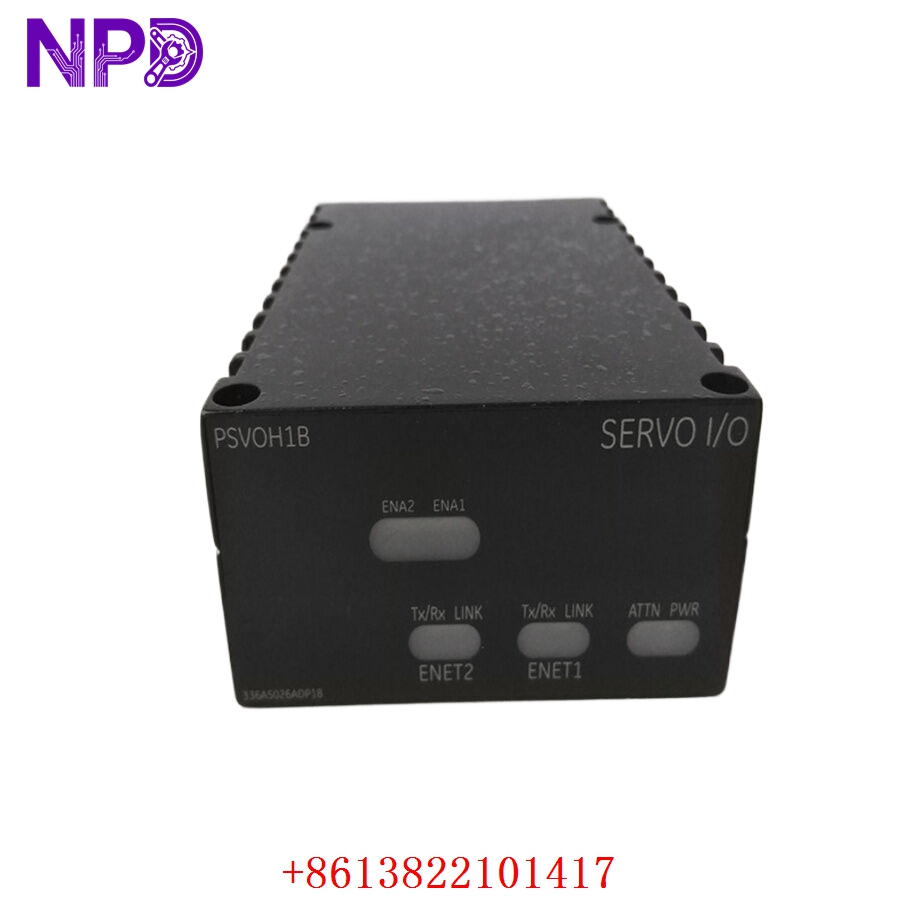
GE IS220PSVOH1B
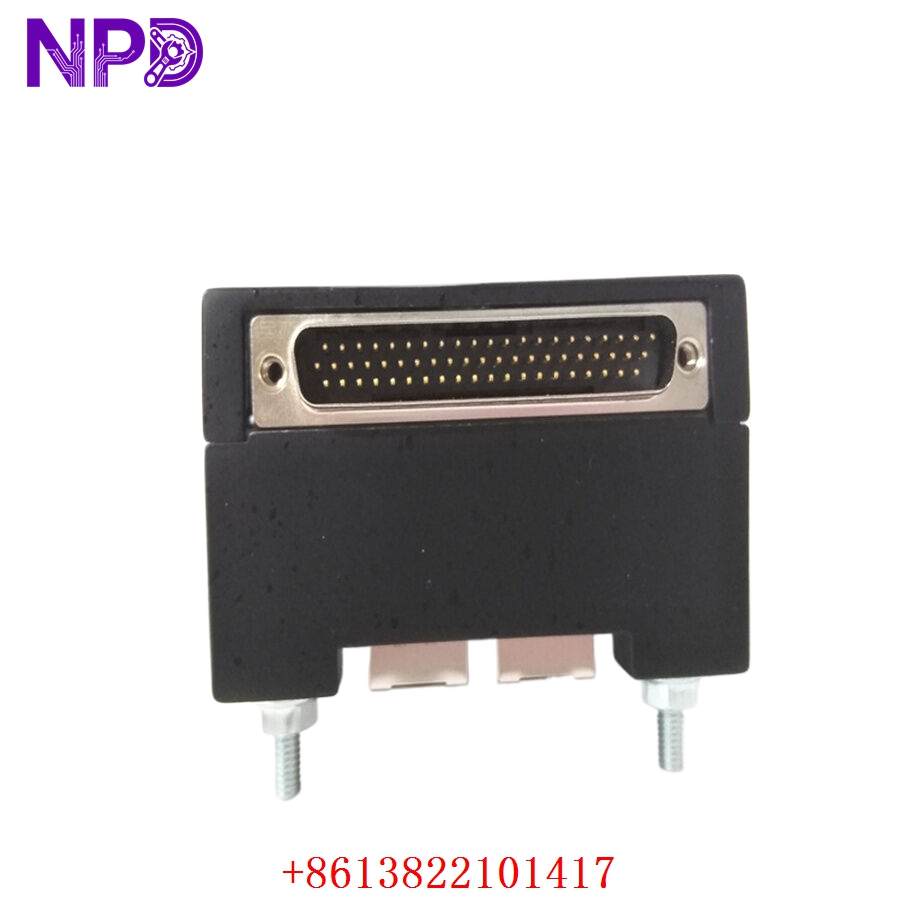
GE IS220PSVOH1B
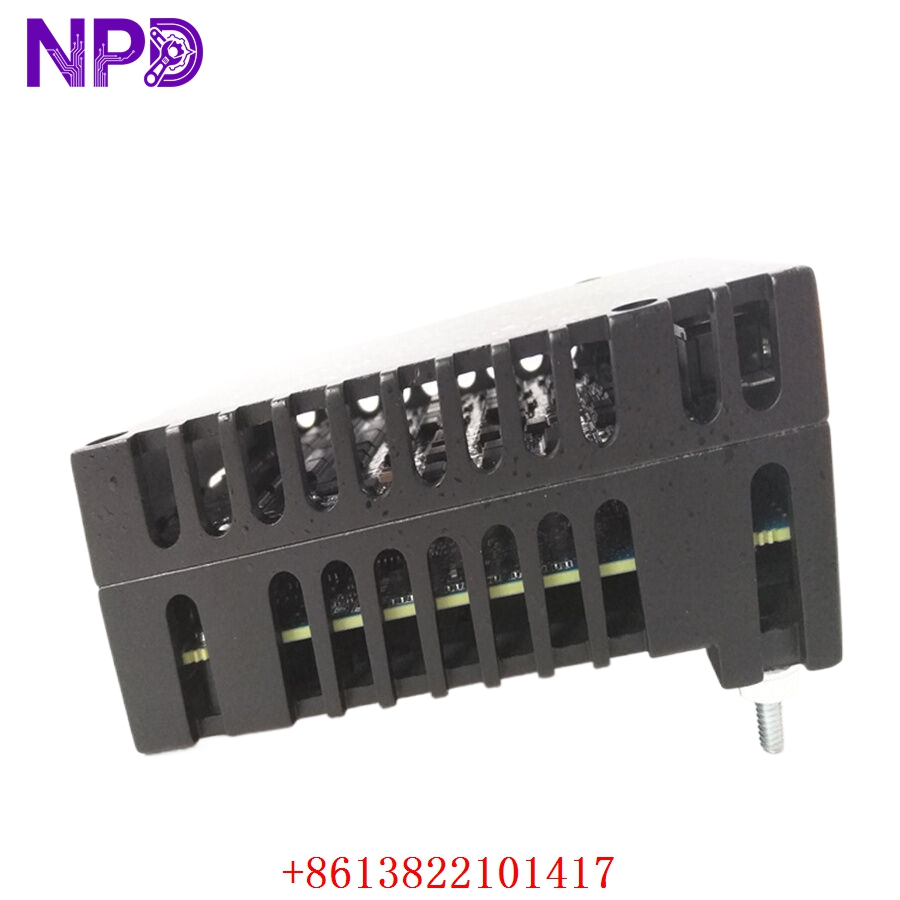
GE IS220PSVOH1B
Application Scenarios & Engineering Focus
In gas or steam turbine power trains governed by GE Mark VIe control frames, precise fuel stroke positioning directly impacts flame stability and mega-watt response. The IS220PSVOH1B functions at the critical juncture where software logic becomes high-force hydraulic action.
 IONet Redundant Ethernet (ENET1 / ENET2)
               │                 │
               ▼                 ▼
 ┌─────────────────────────────────────────┐
 │            IS220PSVOH1B (PSVO)          │
 │   [BPPC Core] ──► [14-bit LVDT ADC]     │
 └─────────────────────┬───────────────────┘
                       │ (DC-62 Connector)
                       ▼
 ┌─────────────────────────────────────────┐
 │       TSVO Terminal Board / WSVO Driver │
 └───────────────┬─────────────────┬───────┘
                 │                 │
                 ▼                 ▼
     2x Servo Output Drives    8x LVDT Sensor
     (10-120mA Fuel Control)   Position Loops
Typical Operational Configurations:
- Simplex Loop Operation: A single PSVO pack installed directly to a single TSVO terminal block slot for standard balanced process control.
- Triple Modular Redundant (TMR) Safety Deployment: Three IS220PSVOH1B packs mounted side-by-side onto a unified TMR base frame. The hardware platform votes on inputs via its internal IONet matrix and drops faulty channels to prevent turbine trip disruptions if a single sensor signal drifts.
Case Study: Upgrading a Peak-Lopping Gas Plant in Eastern China
Background: A dual-shaft gas turbine plant was experiencing hunting on its liquid fuel control valve during rapid startup ramping profiles. The system was running legacy “H1A” generation packs.
Problem: High ambient noise levels on the old processor modules generated high acceleration measurement fluctuations on the pulse input channels, causing the system to overcompensate.
Solution: We supplied three matched IS220PSVOH1B packs utilizing the modernized BPPC processor board. Prior to shipping, our field engineering division loaded firmware version V04.11 onto the packs and matched them on our validation rack to confirm tightly synchronized 2-out-of-3 internal voting behavior.
Results: The replacement modules suppressed the high-frequency loop noise (keeping deviations beneath \pm50 Hz/sec on the 10 kHz speed bus). Valve positioning smoothed instantly, lowering thermal exhaust stresses during fast starts.
Field Commissioning & Hardware Troubleshooting
When deploying an upgraded IS220PSVOH1B pack during an outage, watch for these common hardware snags:
1. The Firmware Incompatibility Loop
- The Problem: The “H1B” pack features a modified BPPC hardware board compared to the older “H1A” versions. If plugged into a terminal frame running older system firmware (<V04.09), the pack will drop into an initialization lock state and show a solid red “Attn” light.
- The Fix: Before mounting the pack, use the ToolboxST software application’s Component Editor to update the platform firmware definitions.
2. Diagnostic Indicator Reference Table
| Faceplate LED Status | Indicated Condition | Probable Root Cause | On-Site Rectification Path |
| Power LED (Green) Off | Pack logic unpowered | Loss of 28V DC feed via terminal baseplate | Check base block toggle switches (SW1, SW2, SW3). Confirm pin seat continuity on the main 62-pin header. |
| Attn LED (Solid Red) | Configuration / Hardware fault | Active firmware mismatch or component failure | Check the Control System Toolbox error buffer. Run the auto-reconfiguration tool sequence if enabled. |
| ENA1 / ENA2 (Green) Off | Servo loop output disabled | Servo loop has been “suicided” by safety interlocks | Verify if external logic or an emergency trip fluid pressure switch has opened the feedback circuit. |
| ENet1 / ENet2 Flashing | Healthy packet transit | Standard operation on IONet paths | No action required. Indicates correct communication flow with R/S/T core controllers. |
Installation Handling Note:
Ensure the mounting bracket screws near the RJ45 headers are secured down uniformly. Misalignment can place perpendicular stress on the high-density DC-62 pin header connector underneath, leading to microscopic cracking of the internal terminal solder joints under high turbine deck vibrations. If you require the exact pin-out diagrams for the TSVO board interface to run continuity mapping, ask our team to isolate those sheets from the GEH-6721 system files for you.