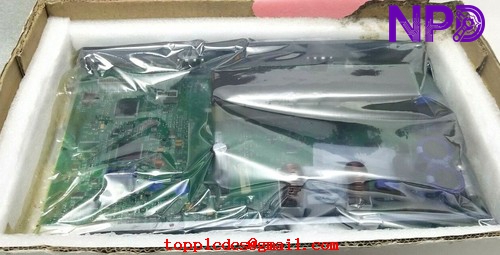

Description
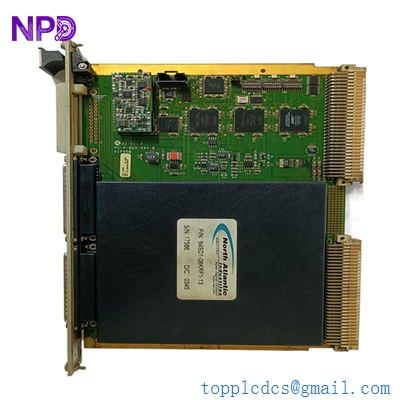
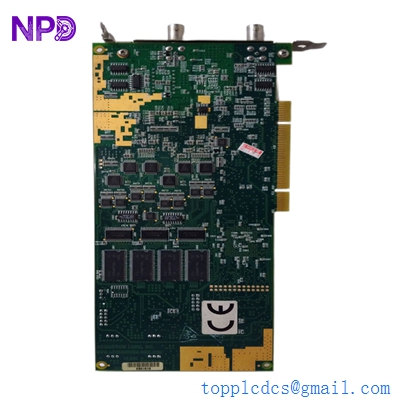
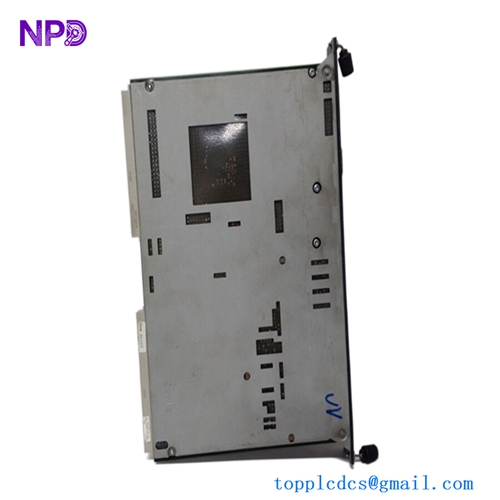
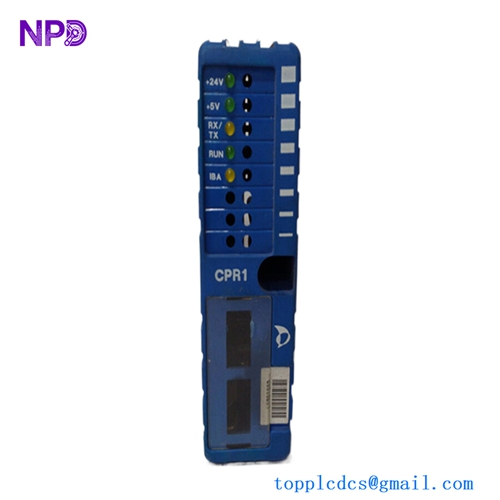
The GE DS200TCQCG1AJD is a high-performance TCQC (Turbine Control Quadrature Control) board utilized within the GE Mark V Speedtronic turbine control system. This module is a critical component of the Mark V architecture, responsible for processing high-speed signals—specifically those related to speed sensing, frequency tracking, and phase reference—which are vital for the precise control and protection of heavy-duty gas turbines.
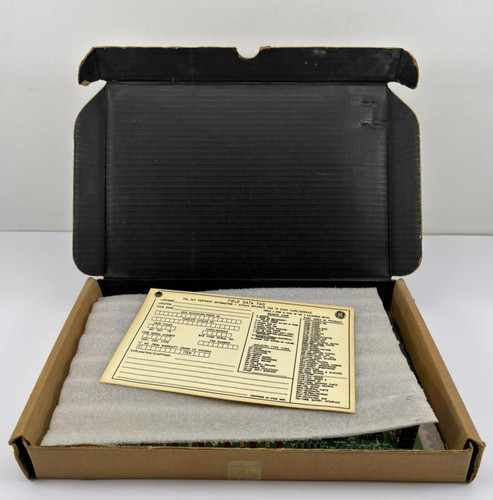
Key Technical Specifications
- Function: Quadrature control, speed processing, and frequency-to-digital conversion.
- System Compatibility: Designed for the Mark V Distributed Control System (DCS).
- Input Capabilities: Processes pulse-width modulated (PWM) signals and frequency inputs from magnetic pickups (MPUs) or proximity probes.
- Processing: Performs real-time calculations for rotor speed and acceleration, essential for fuel control and turbine overspeed protection.
- Diagnostics: Includes on-board status LEDs and hardware test points to monitor pulse input health and signal continuity.
- Communication: Interacts with the Mark V “C” processor (the control processor) to relay speed data and trip status.
- Mounting: Designed for insertion into the Mark V control cabinet rack; typically occupies a dedicated slot in the core control section.
- Design: Robust industrial PCB construction with high-speed circuitry to ensure minimal latency in critical speed-trip logic.
- Revisioning: The “AJD” suffix indicates a specific hardware revision, reflecting updates to logic components or signal-processing paths to improve stability.
Integration and Application
The TCQC board acts as the primary interface between the mechanical rotor and the electronic control system. Its operational importance includes:
- Overspeed Protection: Monitoring the pulse frequency from the turbine shaft and triggering an emergency shutdown if speed thresholds are exceeded.
- Synchronizing: Providing accurate frequency and phase data to the control processor to ensure the generator can safely parallel with the power grid.
- Speed Control: Providing the feedback loop required for governor control, allowing the turbine to maintain steady-state RPM under varying loads.
Related GE Mark V System Components
To ensure a fully functional turbine control node, the DS200TCQCG1AJD is typically supported by these essential components:
- Magnetic Pickups (MPUs): The primary speed sensors mounted near the turbine rotor gear teeth.
- DS200TCQAG: Analog I/O board often located in the same cabinet section for auxiliary sensor processing.
- TCQA Processor Pack: The main control pack that manages the logic derived from the TCQC speed data.
- Control Cabinets (MKV): The physical chassis providing the backplane power and communication buses.
- ToolboxST / GE Speedtronic Software: Engineering tools used to configure the speed scaling factors (pulses per revolution).
- Ribbon Cables: High-density backplane cables that link the TCQC board to the system processor.
- Signal Shielding/Grounding: Specialized grounding bars essential for preventing noise on the high-frequency speed pulse signals.
- 24VDC Power Supply: Regulated power for the TCQC board’s internal logic.
- Interposing Relays: Hardware used to execute the final trip command if the TCQC identifies an overspeed condition.
- Replacement Jumpers: Necessary for hardware-level configuration of input sensitivity for different sensor types.
Core Concept: Speed Signal Conditioning
Understanding how the Mark V processes speed is essential for maintaining turbine health. The TCQC board converts raw AC pulses from the gear into a digital frequency value. If you are interested in how signal noise (EMI) affects this process or how to troubleshoot pulse-width signal integrity, please let me know.