Description
Model: V7768-320001 (350-9301007768-320001 A2)
· Brand: GE Fanuc / GE Intelligent Platforms (Motorola Architecture)
· Series: VMEbus Single Board Computer (SBC)
· Core Function: ⚙️ High-performance processing and real-time control for VME-based industrial/defense systems
· Product Type: 📟 VME Single Board Computer (CPU)
· Key Specs: 🛠️ PowerPC architecture, high-speed VMEbus interface, modular I/O capabilities
- Processor: PowerPC-based RISC architecture (optimized for deterministic real-time control)
- Memory: Integrated ECC SDRAM for high-reliability applications
- Bus Interface: VME64 Extensions (VME64x) for high-speed backplane communication
- Expansion: On-board mezzanine sites (PMC slots) for application-specific I/O integration
- Communication: Integrated Ethernet and serial interfaces for system connectivity
- Operating Temp: Rated for standard industrial/rugged environments
- OS Support: Compatible with RTOS environments (VxWorks, LynxOS) commonly used in GE control systems
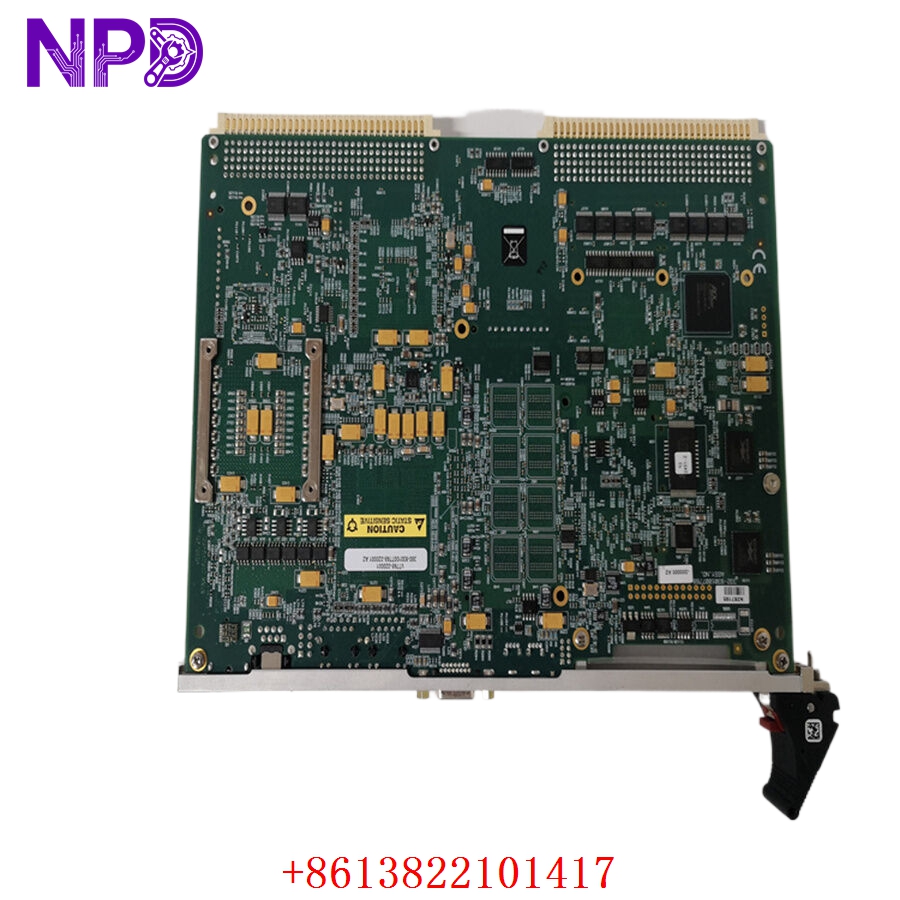
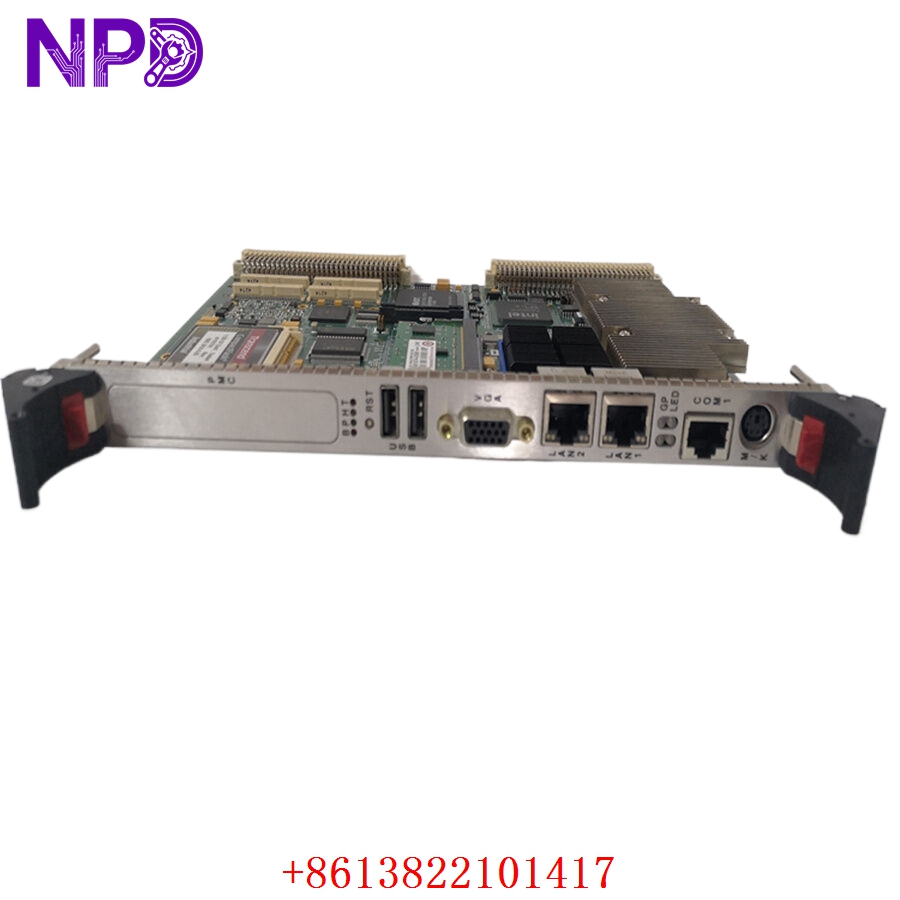
Application Scenarios & Engineering Insights
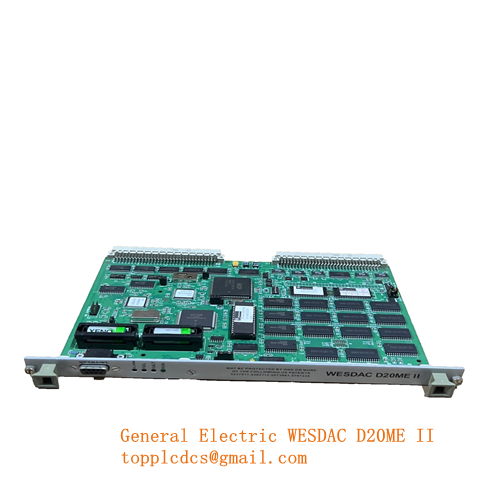
The V7768 series is a robust VME processor, frequently found in legacy GE control cabinets for power generation, rail signaling, or complex automated test equipment. A critical “pain point” here is the VME P1/P2 connector pins. Over time, the insertion/removal cycles in a high-vibration environment can lead to microscopic gaps between the pins and the backplane, causing “intermittent bus timeouts.” If you are experiencing unexplained system resets, inspect the backplane connectors for signs of “fretting corrosion” before assuming the board has failed.
Typical Use Cases:
- Utilities – Turbine Control
Handling high-speed supervisory control logic in legacy power generation stations.
- Transportation – Signaling Systems
Executing safety-critical logic for train interlocking and monitoring systems.
- Industrial – Automated Test Stands
Acting as the central intelligence for data acquisition and motion control sequences.
Troubleshooting Pro-Tip:
These boards often utilize non-volatile memory (NVRAM) or a Dallas Semiconductor-style RTC chip for boot parameters. If your board suddenly fails to communicate on the VMEbus or forgets its IP configuration after a power cycle, check the battery/NVRAM module first. Many of these units are now at an age where the onboard battery has depleted, leading to lost boot configuration.
Compatible Replacement Models
| Original Model | Replacement | Compatibility | Difference |
| V7768-320001 | V7768-320001 | ✅ Direct | Identical hardware part |
| V7768-320001 | V7768-xxxxxx | ⚠️ Limited | Check RAM/Processor speed variants |
| V7768-320001 | Modern VME SBC | ❌ Modification | Requires total software/BSP porting |
Note: Since the software stack (BSP) for the V7768 is specific to the hardware mapping, a direct replacement with the same part number is highly recommended. Migrating to a different VME board typically requires a full re-compile of the real-time operating system kernel.
Troubleshooting Quick Reference
| Symptom | Probable Cause | Action |
| No “Power” LED | VME rack power rail failure | Check +5V and +3.3V rails at the VME backplane |
| Board “Hangs” during POST | Corrupted NVRAM / BIOS | Reset BIOS to defaults; verify NVRAM battery |
| Network Link Failure | Ethernet port/Driver mismatch | Check boot-loader settings; verify network media |
| VME Bus Error | Improper board seating | Reseat board; ensure ejector handles are locked |
Safety Warning: VMEbus hardware is sensitive to Electrostatic Discharge (ESD). Always handle by the front panel handles and use a static-dissipative workspace. Never insert or remove a VME card while the backplane is powered, as “hot-plugging” can cause transient voltage spikes that permanently destroy the card’s bus interface logic.