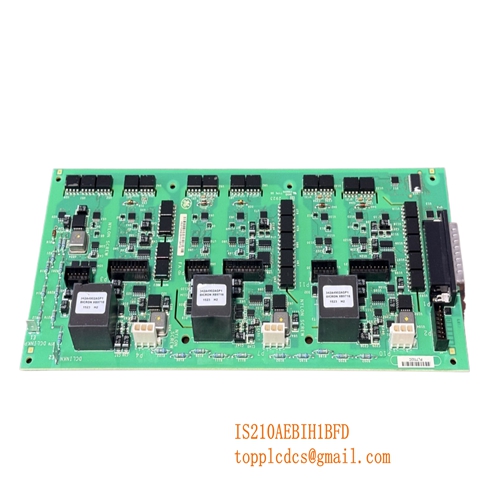
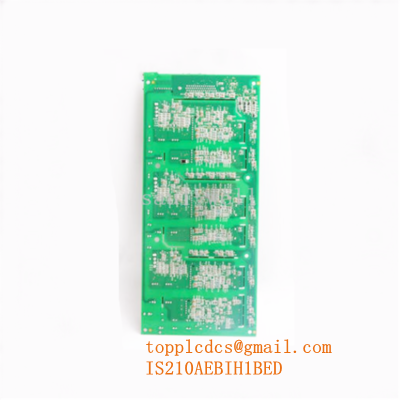
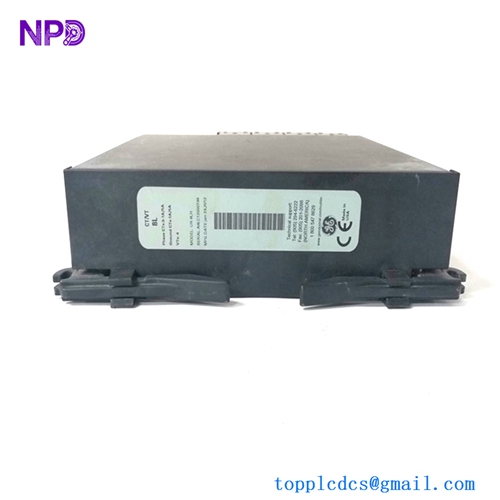
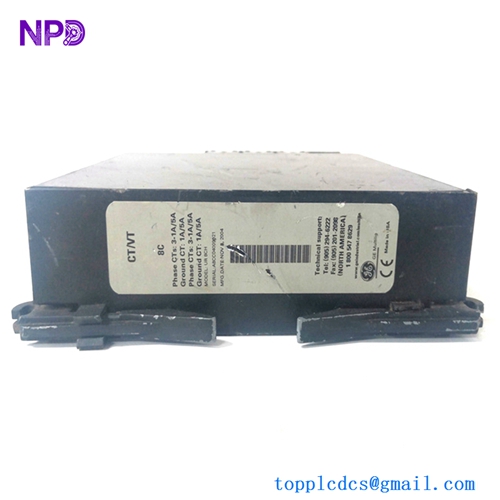
Description
- Model: GE VMIC ASSY 11994R13
- Brand: GE (General Electric) / VMIC (GE Fanuc)
- Series: VMIC Embedded Controllers / VMEbus Series
- Core Function: High-performance VMEbus processor/interface assembly
- Type: Processor / Communication Assembly Board
- Key Specs: VMEbus compliant, high-density integrated circuitry, industrial temperature rated
- Bus Interface: VMEbus Standard (IEEE 1014)
- Microprocessor: Integrated high-speed RISC or CISC architecture (Revision dependent)
- Memory: On-board RAM and Flash EPROM for firmware storage
- Input Voltage: +5 V DC, ± 12 V DC (Standard VME backplane power)
- I/O Ports: Front-panel serial/parallel interface (Model specific)
- Operating Temp: 0°C to +55°C (Standard industrial range)
- Storage Temp: -40°C to +85°C
- PCB Layers: Multi-layer high-reliability glass epoxy
- Form Factor: Standard 6U VME height
- Cooling: Convection cooled (Requires rack airflow)
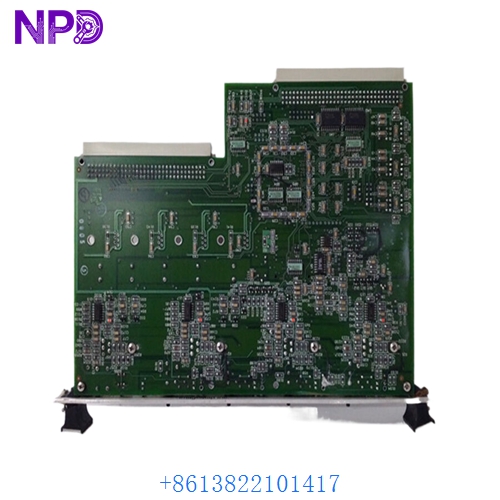
GE VMIC ASSY 11994R13
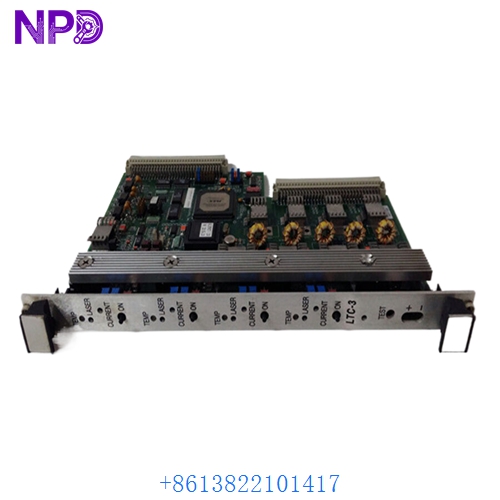
GE VMIC ASSY 11994R13
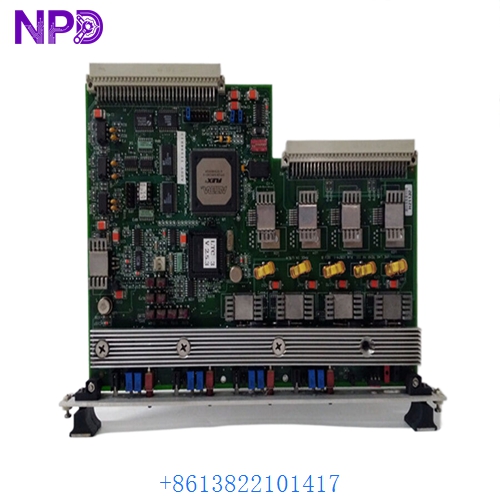
GE VMIC ASSY 11994R13
Installation & Configuration Guide
Phase 1: Preparation (20 minutes)
⚠️ Critical Warning: The 11994R13 is a legacy VMEbus component. These boards are extremely sensitive to ESD (Electrostatic Discharge) and “bent pins.” VME connectors have hundreds of high-density pins that can easily be ruined if the board is forced.
Required Tools:
- High-quality grounded anti-static wrist strap.
- Needle-nose pliers (for jumper settings).
- 3/16″ nut driver for front panel standoffs.
- Magnifying glass to inspect backplane connectors.
Phase 2: Hardware Configuration (15 minutes)
Steps:
- Jumper Mapping: Before installing the new 11994R13, compare the jumper positions (E1, E2, etc.) with your original board. These jumpers typically define the Base Address and Interrupt Levels.
- Firmware Swap: If your system uses custom software, you may need to move the EPROM chips from the old board to the new assembly.
- Address Conflict Check: Ensure the new board’s address does not overlap with existing VME modules in the rack.
Phase 3: Physical Installation (10 minutes)
The Process:
- Power Down: Always turn off the VME rack power.
- Alignment: Carefully align the board with the plastic guide rails.
- Insertion: Slide the GE VMIC 11994R13 toward the backplane. When the connectors touch, use the top and bottom injector/ejector handles simultaneously to seat the board.
- Verification: If the board doesn’t seat with moderate pressure, stop. Pull it out and inspect for bent pins on the P1/P2 connectors.
Customer Cases & Industry Applications
Case 1: Aerospace Simulation Facility
Situation: A flight simulation center used a VME-based GE system for real-time physics calculations. The main GE VMIC 11994R13 assembly failed after 15 years of continuous operation. Task: Find a replacement board for a system that the OEM declared “End of Life” (EOL) in 2018. Action: We provided a New Surplus unit that had been stored in a climate-controlled environment. Result: The simulator was back online within 48 hours. The customer noted that the cost of our spare was roughly 5% of the cost of a total system upgrade.
Case 2: Steel Mill Rolling Line
Situation: A high-speed rolling mill in South America experienced a “Bus Error” on their main controller. The culprit was a degraded 11994R13 assembly. Task: Minimize downtime in a facility where every hour of stoppage costs $20,000. Action: We expedited the shipment and provided technical photos of the jumper settings to the site engineer. Result: The board arrived, was configured in 10 minutes, and the line resumed production. The customer immediately ordered our remaining unit as a “Strategic Spare.”
Frequently Asked Questions (FAQ)
Q: Is the 11994R13 compatible with all VME racks? A: It follows the VMEbus standard, so it fits standard 6U racks. However, the software compatibility depends on your specific backplane pin-out (P2 mapping) and the CPU firmware. Always check your system manual for “custom P2” warnings.
Q: What is the difference between “ASSY” and a standard board? A: “ASSY” implies this is a complete assembly, often including daughter-boards or specialized mezzanine cards (like PMC modules) already mounted to the main carrier. Our 11994R13 comes as the full, ready-to-install assembly.
Q: Can I hot-swap this VME board? A: Absolutely not. Standard VMEbus (IEEE 1014) is not hot-swappable. Pulling or inserting this board while power is applied can cause a massive current surge that will likely fry the VME bus drivers on this board and potentially others in the rack.
Q: Why is this part so hard to find? A: The GE VMIC series was highly specialized. Once they were discontinued, the only remaining stock is “New Surplus” from cancelled projects or government reserves. We specialize in sourcing these “ghost” parts to keep your legacy systems running.
Q: Do you offer a warranty on legacy parts like the 11994R13? A: Yes, 12 months. We treat New Surplus legacy gear with the same respect as current-gen parts. If it fails due to a hardware defect, we will replace it or refund you—no questions asked.