
Description
Product Overview
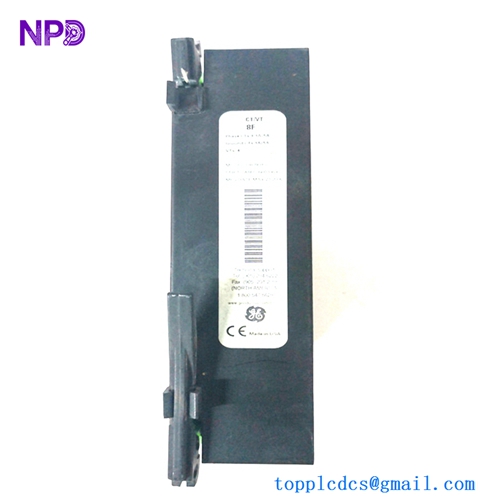
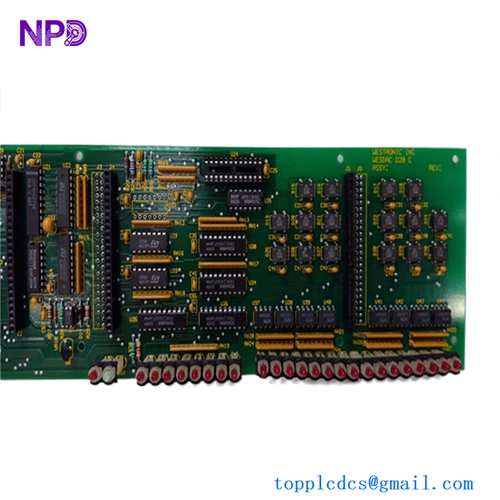
The GE WESDAC D20 C is a compact and reliable remote terminal unit (RTU) designed for distributed data acquisition, monitoring, and control in industrial and utility automation systems. As part of the WESDAC D20 family, the D20 C provides dependable real-time communication between field equipment and supervisory control systems, supporting both legacy and modern automation infrastructures.
The D20 C is engineered for environments where high availability, deterministic response, and long-term reliability are critical. It integrates control logic processing, communication handling, and I/O management into a single, modular platform. This makes it well suited for geographically distributed installations where local autonomy and centralized supervision are both required.
Built to operate continuously in harsh industrial conditions, the WESDAC D20 C supports flexible system expansion and configuration. Its design emphasizes stability, ease of maintenance, and compatibility with a wide range of field devices, ensuring consistent performance throughout the system lifecycle.
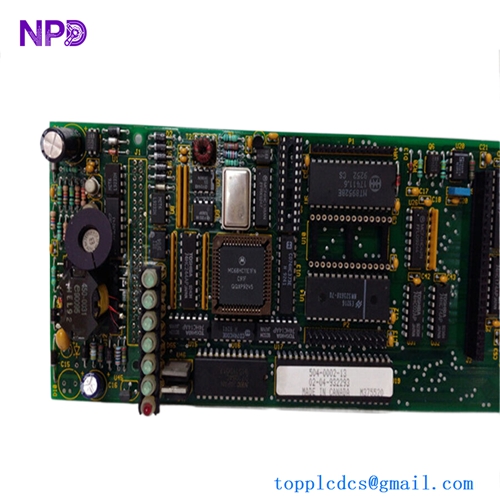
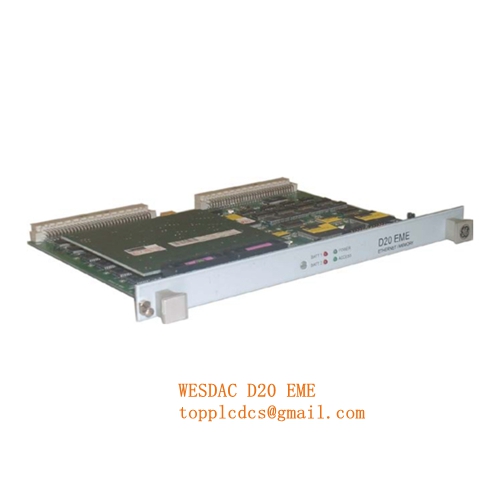
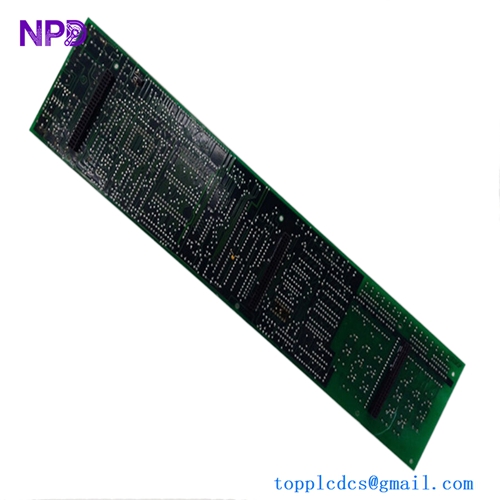
GE WESDAC D20 C 504-0002-13
Product Parameters (Technical Specifications)
| Parameter | Description |
|---|---|
| Product Name | GE WESDAC D20 C |
| Part Number | 504-0002-13 |
| Product Type | Remote Terminal Unit (RTU) |
| Processing | Embedded control processor |
| Functionality | Data acquisition, monitoring, and control |
| I/O Support | Modular digital and analog I/O expansion |
| Communication Interfaces | Serial and network communication ports |
| Protocol Support | Utility and industrial communication protocols |
| Control Capability | Local control logic and event processing |
| Time Synchronization | System time stamping and event logging |
| Diagnostics | Self-diagnostics and status monitoring |
| Power Supply | Industrial DC power input |
| Mounting | Panel or rack-mounted installation |
| Operating Environment | Industrial temperature and EMC range |
| Reliability | Designed for continuous 24/7 operation |
| Country of Origin | Canada |
Product Datasheet Description
The GE WESDAC D20 C RTU serves as a centralized field controller that collects data from sensors, actuators, and protection devices, then communicates this information to supervisory systems such as SCADA or energy management platforms. It also enables local decision-making and control actions based on predefined logic, reducing communication dependency and improving system resilience.
Functional Design
At its core, the D20 C integrates processing, communication, and I/O management in a compact form factor. The embedded processor executes control logic, handles protocol communication, and manages data buffering for efficient transmission to central systems.
The modular I/O structure allows the RTU to be tailored to specific application needs, supporting combinations of digital inputs, digital outputs, analog inputs, and analog outputs. This flexibility simplifies system design and allows future expansion without major hardware changes.
Key Features
- Reliable Data Acquisition
Continuously captures field data with accurate time stamping and structured event handling. - Local Control Capability
Executes control logic locally, ensuring autonomous operation during communication interruptions. - Robust Communication Handling
Supports multiple communication channels for reliable data exchange with supervisory systems. - Industrial Durability
Designed to withstand electrical noise, temperature variations, and mechanical stress common in field installations. - Advanced Diagnostics
Built-in diagnostics provide system health information, facilitating preventive maintenance and rapid fault isolation. - Scalable Architecture
Modular I/O and communication options allow the system to evolve alongside operational requirements.
The WESDAC D20 C is particularly effective in applications where real-time visibility, control reliability, and long service life are required, even in remote or unmanned locations.
Country of Origin
The GE WESDAC D20 C (504-0002-13) is manufactured in Canada under stringent industrial quality and reliability standards. Each unit undergoes comprehensive functional testing, communication verification, and environmental validation to ensure dependable operation in critical infrastructure applications.
Typical Application Areas
The WESDAC D20 C is widely used in the following industries and systems:
- Electrical power substations
- Transmission and distribution networks
- Water and wastewater facilities
- Oil and gas field automation
- Pipeline monitoring stations
- Industrial process monitoring
- Remote infrastructure supervision
In these applications, the D20 C provides dependable communication between field assets and control centers, enabling efficient monitoring and safe operation.
Frequently Asked Questions (FAQ)
Q1: What is the primary function of the WESDAC D20 C?
A1: It acts as a remote terminal unit for collecting field data, executing local control logic, and communicating with supervisory systems.
Q2: Can the D20 C operate autonomously?
A2: Yes, it can perform local control and monitoring independently if communication with the control center is interrupted.
Q3: Is the D20 C suitable for harsh industrial environments?
A3: Yes, it is designed for continuous operation under industrial temperature, EMC, and environmental conditions.
Q4: Does the unit support system diagnostics?
A4: Yes, it includes self-diagnostics and status monitoring to assist maintenance and troubleshooting.
Q5: Can the system be expanded with additional I/O?
A5: Yes, the modular design allows I/O expansion to meet changing application requirements.
Summary
The GE WESDAC D20 C (504-0002-13) is a dependable and flexible RTU designed for industrial and utility automation. Its robust construction, modular I/O capability, local control functionality, and reliable communication make it well suited for distributed monitoring and control systems. With proven performance in critical infrastructure environments, the D20 C continues to be a trusted solution for reliable field automation and long-term operational stability.