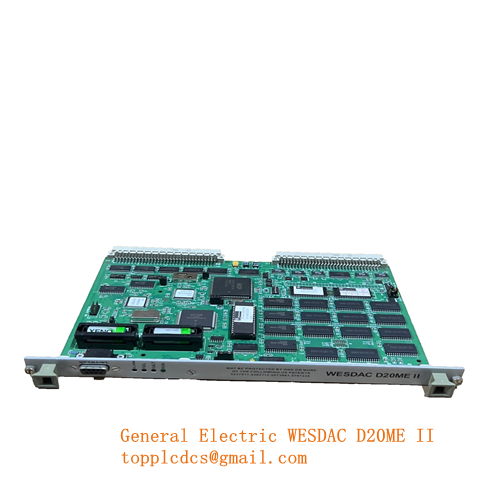

Description
Product Core Brief
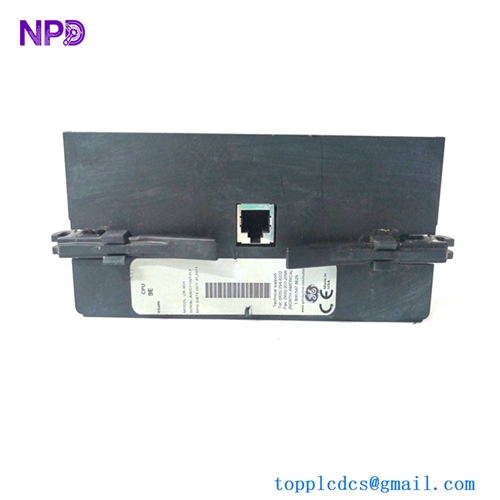
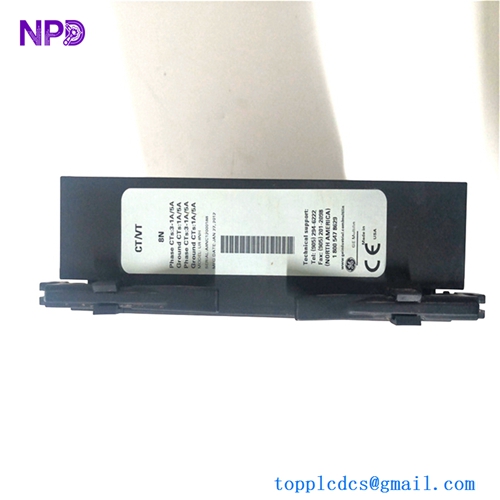
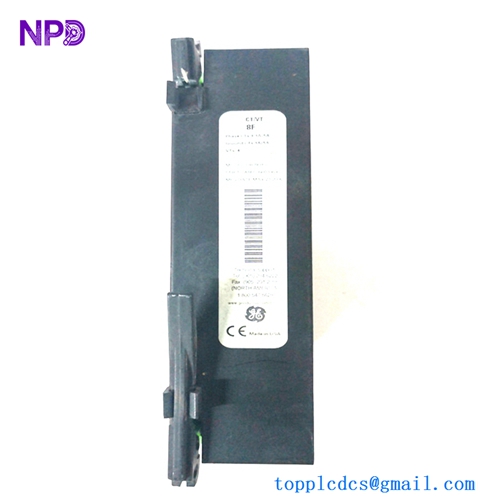
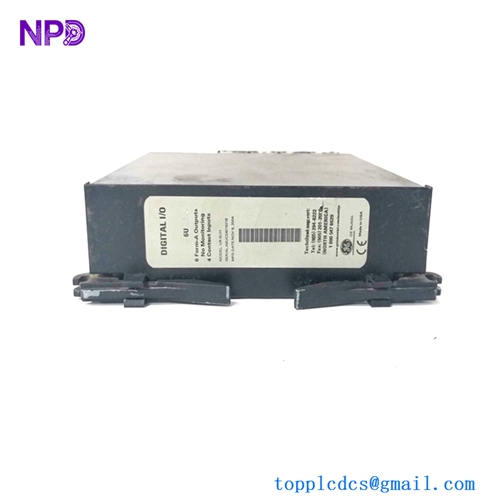
- Model: GE WESDAC D20ME
- Brand: GE (General Electric / GE Grid Solutions)
- Series: WESDAC D20 / D200 Substation Controllers
- Core Function: Core controller for substation automation, data acquisition and process control
- Type: Substation controller / CPU module
- Key Specs: Multi-protocol comms (IEC 61850, Modbus, DNP3) Multiple serial & Ethernet ports Analog/digital I/O support
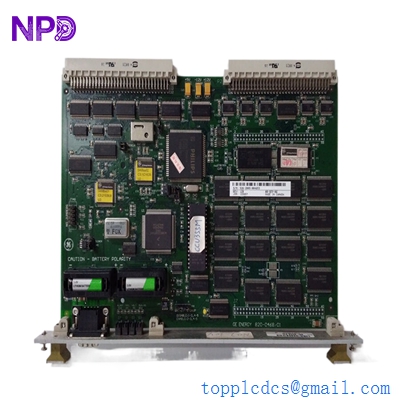
GE WESDAC D20ME
Key Technical Specifications
- Controller Type: Substation automation/CPU module for the D20 / D200 platform
- Processor & Memory: 32-bit architecture with Flash, SRAM, and NVRAM for program and data retention
- Communications: Ethernet, RS-232/RS-485 serial, D.20 Link HDLC, optional fiber/PPP/TCP/IP
- Protocols Supported: IEC 61850, Modbus (RTU/TCP), DNP3, proprietary D20 links
- Analog Inputs: Up to 8 analog channels (16-bit) for voltage/current/temperature monitoring
- Digital I/O: Up to 16 digital inputs and multiple relay/Digital outputs
- Power Supply: AC or DC wide range (20–60 VDC; 85–265 VAC depending on config)
- Operating Temp: ~ –10 °C to +60 °C industrial environments
- Mounting: Rack or panel mount integration for substation panels
- Diagnostics: Built-in fault diagnostics and watchdog monitoring
Installation & Configuration Guide
Preparation (≈15 min)
⚠️ Safety First
- Schedule a controlled outage and coordinate with operations and safety teams.
- Lockout/tagout all power sources — AC mains and DC auxiliary supplies.
- Prepare tools: insulated screwdrivers, multimeter, labels, and camera for wiring capture.
Documentation
- Photograph existing module connections and chassis layout.
- Record communication settings (IP, protocol, port assignments).
Removal of Old Module (≈10 min)
- Confirm all power to the substation controller rack is isolated.
- Label connectors — serial, Ethernet, power, I/O harnesses.
- Unscrew rack mount hardware and carefully extract the old WESDAC D20ME unit.
- Inspect rack backplane and connectors for corrosion or bent pins.
In my experience, taking clear wiring photos beforehand cuts reassembly errors by more than half.
Install New WESDAC D20ME (≈15 min)
- Apply ESD protection and unpack the new module.
- Verify the exact model and hardware revision.
- Slide the controller into the correct rack space and secure hardware.
- Reconnect power lines and all communications/I/O cabling per labeled photos.
Checklist
- Correct model verified
- All cables re-connected
- Shields/grounding restored
Power-On & System Verification (≈20–30 min)
- Restore AC/DC power to the controller chassis.
- Observe status LEDs — power, comms, and module health indicators.
- Connect engineering workstation and verify:
- Network communications (IEC 61850 / Modbus / DNP3)
- I/O channel responses match field signals
- No fault or alarm logs are present
- Run a 30-minute stability test under normal loads before closing panels.
Verification Points
- Communications stable and error-free
- All configured I/O channels responding
- System time and diagnostics are synchronized
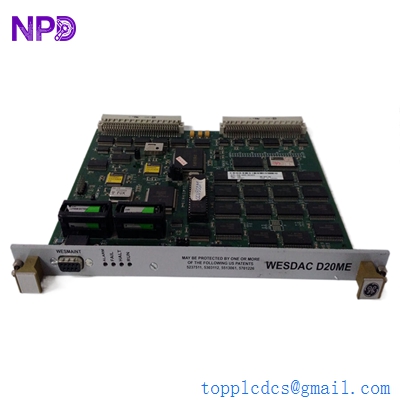
GE WESDAC D20ME
Customer Cases & Industry Applications
Case 1: Power Grid Substation Automation Upgrade
Situation:
A regional utility’s substation controller nearing end of service exhibited intermittent communication faults, risking protective relay coordination and SCADA data flow.
Task:
Maintenance needed a tested spare and a stable replacement to mitigate outages during peak demand.
Action:
From buffer stock, a brand new GE WESDAC D20ME was deployed into the controller rack. All communication settings were restored from engineering backups.
Result:
Full system automation resumed within one maintenance window. The I/O network and SCADA loops regained reliable data flow, reducing unplanned switching events. Inventory metrics were adjusted with safety stock for core controllers.
Case 2: Water Utility SCADA Integration
Situation:
A municipal water system integrated remote pump stations and quality sensors into the central SCADA network. Legacy controllers struggled with modern protocols.
Task:
Operations required a controller with multi-protocol support and robust I/O handling.
Action:
A WESDAC D20ME was configured as the local controller, bridging field devices over IEC 61850 and Modbus to the SCADA master.
Result:
Field data latency dropped sharply, alarms were reliable, and operations regained confidence in control loops. Safety stock policies were updated for all critical controller modules.
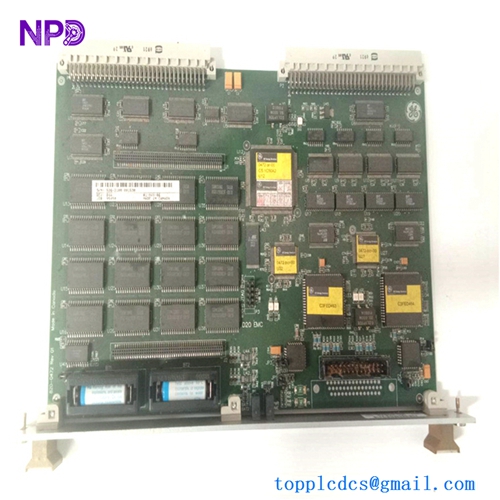
GE WESDAC D20ME
Frequently Asked Questions (FAQ)
Q1: What is the GE WESDAC D20ME?
A: It’s the central substation controller for GE’s D20/D200 series, performing data acquisition, local automation, and communications in power system automation.
Q2: Which protocols can it handle?
A: IEC 61850, Modbus (RTU/TCP), DNP3, plus legacy D.20 link protocols — enabling flexible integration with SCADA and field devices.
Q3: Does it support I/O expansion?
A: Yes; it works with modular I/O cards for analog and digital inputs/outputs, scaling with site requirements.
Q4: How should we stock this controller?
A: Given its role as a core controller and the potential for long lead times, keep at least one on-site buffer stock and consider cross-site sharing for multi-station environments.
Q5: What are common failure modes?
A: Aging connectors and power supply stresses are common; proactively stocking spares and logging temperature/humidity helps reduce failures.