Description
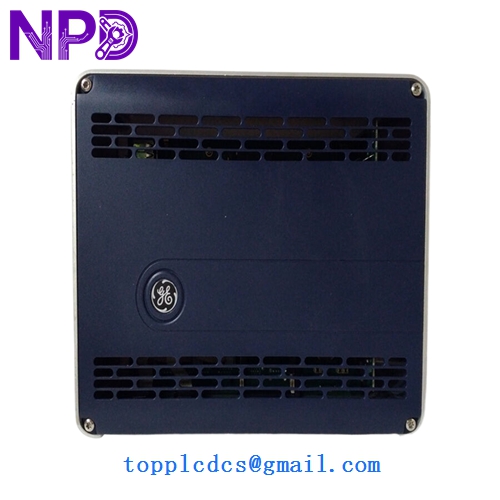
- Model: 04220FL11232A
- Brand: GE (General Electric – Industrial Motors)
- Series: DC Motor Carbon Brush & Commutator Maintenance
- Core Function: Conducts electrical current between stationary wires and rotating motor parts
- Condition: New Surplus (Original GE packaging, non-oxidized, non-refurbished)
- Type: Carbon Brush (Electrode)
- Key Specs: High-grade graphite composition | Specific geometric fit for GE DC frames
- Material Grade: Electrographitic (Optimized for high-speed commutation)
- Application: Industrial DC Motors (Steel mills, paper plants, mining hoists)
- Dimensions: Precise factory-cut to GE specifications
- Shunt Type: Flexible copper braided wire
- Terminal Type: Standard spade/eyelet (per GE motor frame requirement)
- Current Carrying Capacity: Rated for continuous industrial duty
- Friction Coefficient: Low friction for minimal commutator wear
- Operating Environment: Rated for high-temperature motor housings
- Spring Pressure Requirement: Designed for GE constant-force brush holders

Installation & Configuration Guide
Phase 1: Preparation (15 Minutes)
⚠️ Safety First:
- Isolate the motor and lock out the main DC drive/power supply.
- Open the motor inspection covers.
- Blow out the brush area with clean, dry, low-pressure compressed air to remove existing carbon dust. Wear a mask; carbon dust is conductive and messy.
Phase 2: Removal (10 Minutes)
- Lift the constant-force spring or release the brush holder finger.
- Disconnect the copper shunt (pigtail) from the brush holder terminal using a small wrench.
- Remove the worn brush. Pro tip: Check the wear pattern. If the brush is chipped or burned, your commutator might need “stoning” or resurfacing.
Phase 3: Installing the 04220FL11232A (20 Minutes)
- Seating the Brush: New brushes are flat, but the commutator is round. You must seat them.
- Place a strip of medium-grit (150-200) sandpaper between the brush and the commutator, with the gritty side facing the brush.
- Pull the sandpaper in the direction of motor rotation only. Lift the brush, move the paper back, and repeat.
- Continue until at least 80% of the brush face matches the curvature of the commutator.
- Cleanliness: Vacuum all carbon dust from the seating process. Do not leave any grit inside the motor.
Phase 4: Inspection & Testing (15 Minutes)
- Connect the shunt terminal and ensure it is tight (loose connections cause “pigtail burn”).
- Ensure the spring is centered on the brush top to apply even pressure.
- Run-in: If possible, run the motor at no-load for 30-60 minutes to finalize the film (patina) on the commutator.
- Observe the “sparking” level. A healthy installation should show very fine, pinpoint sparking or none at all.
Customer Cases & Industry Applications
Case 1: Steel Mill Rolling Line Maintenance A steel production facility in Pennsylvania was experiencing excessive “brush sparking” on a 500 HP GE DC motor. They were using generic aftermarket brushes that lasted only three months. In my experience, generic carbon often has inconsistent density, leading to commutator “threading.” We supplied a full set of GE 04220FL11232A New Surplus brushes. The plant reported that the original GE grade stabilized the commutator patina, and they haven’t needed a replacement in over 14 months.
Case 2: Emergency Repair for a Mining Hoist During a routine inspection at a copper mine, a technician found that 50% of the brushes on the main hoist motor were at the “minimum wear line.” A failure here would trap equipment underground. We expedited 32 units of the 04220FL11232A via priority air. The mine avoided a $200k/day operational loss by performing a “hot swap” during a scheduled 4-hour shift change, ensuring the hoist remained certified for personnel transport.

Frequently Asked Questions (FAQ)
Q: Can I mix these brushes with other brands in the same motor? A: Absolutely not. Different carbon grades have different electrical resistances and friction coefficients. Mixing them causes an uneven current distribution—one brush will take all the load, overheat, and eventually “flash over,” which could destroy your commutator. Always replace the full set.
Q: How do I know when to replace the 04220FL11232A? A: Most GE motors have a wear line marked on the brush or a limit on the brush holder. Generally, if the brush has worn down to 1/3 of its original length, it’s time to swap. If you wait too long, the spring pressure drops, causing “bouncing” and massive sparking.
Q: Why buy “New Surplus” instead of a new production run? A: Lead times for original GE motor parts can now stretch into months. Our New Surplus 04220FL11232A units are available for immediate dispatch. These are original factory parts—not “will-fit” replicas. You get the exact metallurgy and shunt conductivity specified by GE’s engineers at a fraction of the cost.
Q: Is there a shelf life for carbon brushes? A: Not really, provided they are kept dry. Carbon doesn’t “expire,” but the copper shunts can oxidize if stored in high humidity. We inspect every unit for “green” oxidation on the leads before shipping. Our stock is stored in a climate-controlled warehouse to ensure the copper is bright and highly conductive.
Q: Do you offer bulk discounts for mill-wide maintenance? A: Yes. For orders of 50+ units, we offer “Consignment Inventory” pricing. We understand that for large plants, these are high-turnover consumables. Let’s talk about a frame agreement to keep your bins full at a locked-in price.