
Description
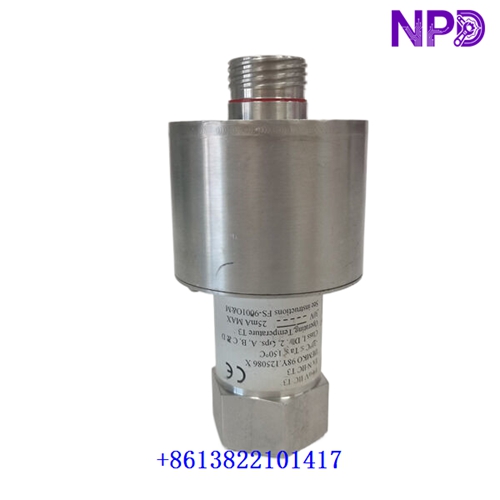
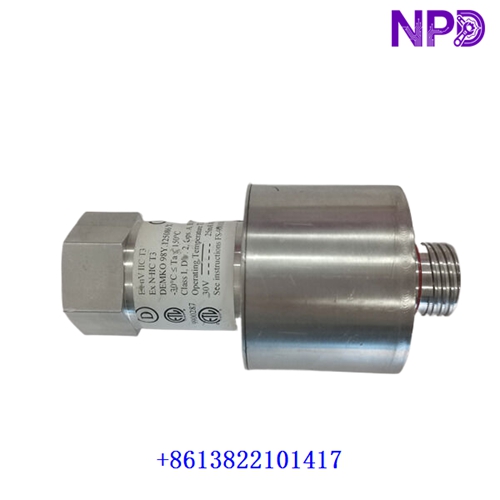
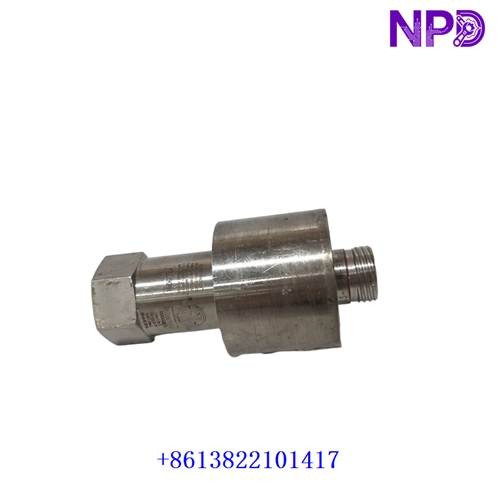
The General Electric Reuter-Stokes RS-FS-9001 (commonly associated with part numbers like 362A1052P004 or 362A1052P104) is a high-precision, industrial-grade UV flame sensor engineered for gas turbine combustion monitoring and burner management safety systems. Below are the core technical specifications governing its physical and operational characteristics:
- Brand: General Electric (GE Reuter-Stokes / GE Vernova)
- Model: RS-FS-9001 (Flame Tracker)
- Series: Industrial Combustion Sensing / Flame Monitoring Line
- Product Name: Ultraviolet (UV) Flame Detector / Sensor Assembly
- Origin Country: United States
- Physical State: Solid State Electronic Assembly (Hermetically Argon-Filled Stainless Steel Housing)
- Dimensions: Standard industrial probe layout with 3/4-inch NPT female process connection
- Weight: Approx. 0.5 kg to 1.0 kg (depending on configuration)
- Place of Manufacture: GE Industrial Sensing Manufacturing Facilities
- Power / Signal Output: 12 to 30 VDC loop power supply; 2-wire 4–20 mA DC current output (fast response time < 25 ms)
► Operation Specifications & Usage Methods
Proper installation and signal configuration ensure reliable flame monitoring and maximize combustion safety:
- Thread the detector securely into the designated combustion chamber sighting port using the 3/4-inch NPT female connection, applying appropriate anti-seize compound to the threads.
- Connect the sensor via the MIL-C-38999 series 5-pin electrical connector using specialized shielded cabling, ensuring correct polarity for the 2-wire 4–20 mA current loop.
- Verify that the ambient or operational temperature constraints are met, utilizing external water cooling or purge air if operating environments exceed standard thresholds.
⚠ Emergency Shutdown Operation
In the event of a burner flame-out, combustion instability, or emergency plant trip, execute the following protocol:
- The sensor continuously tracks UV radiation emitted by the flame and immediately drops the 4–20 mA loop current output toward baseline upon flame loss to signal the safety controller.
- When a trip signal is registered by the turbine management or burner safety system, automated safety valves immediately sever fuel supply lines.
- In manual emergency scenarios, trip the main system interlocks from the control room and wait for complete system depressurization and purging before inspecting the combustion zone.
⚙ Troubleshooting & Common Issues
System diagnostics and routine checks help resolve common operational irregularities:
- If the loop current drops to zero or indicates an open circuit, inspect the power supply voltage, terminal wiring continuity, and connector pin seating.
- If erratic flame intensity signals occur, check the sapphire viewing window for soot, dust, or moisture buildup, and clean carefully using approved optical cleaners.
- If low sensitivity errors persist, verify that cable shielding is properly grounded to prevent electromagnetic interference (EMI) from affecting the analog loop.
🛠 Routine Maintenance & Servicing
Preventative maintenance ensures prolonged equipment reliability and precise flame detection performance:
- Conduct periodic visual inspections of the optical window and purging air lines to ensure clear visibility into the combustion chamber.
- Check external electrical connectors and cable routing regularly to ensure security against continuous industrial vibration.
- Note that the core sensor module is hermetically sealed and non-repairable; broken factory seals invalidate the unit, requiring full assembly replacement upon failure.
❓ Frequently Asked Questions (Q&A)
- Q1: What is the primary function of the RS-FS-9001 detector?
- A1: It is designed to continuously monitor the presence or absence of a flame in gas turbines and heavy industrial burners by detecting specific ultraviolet wavelengths via a silicon carbide (SiC) photodiode.
- Q2: Does this sensor require a high-voltage power supply?
- A2: No, unlike older gas-discharge UV tubes, the silicon carbide design operates safely on standard low-voltage DC loop power (12–30 VDC).
- Q3: Can the internal sensor unit be repaired on-site if it fails?
- A3: No, the unit is hermetically sealed and argon-filled; any attempt to open or service the internal components voids safety certifications, meaning the complete assembly must be replaced.