
Description
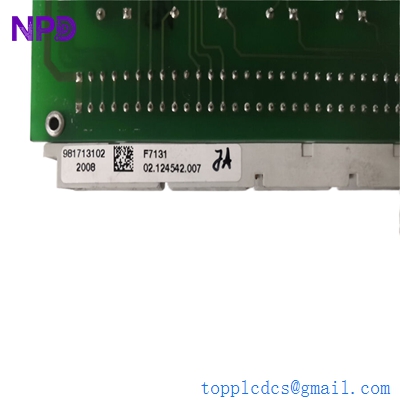
- Model: F7131
- Brand: HIMA Paul Hildebrandt GmbH
- Series: H41q / H51q Safety Systems
- Core Function: 4-channel power distribution and fuse monitoring
- Product Type: Power Supply / Distribution Module (New Surplus)
- Key Specs: 4 independent fused circuits | 24 VDC | Individual channel monitoring
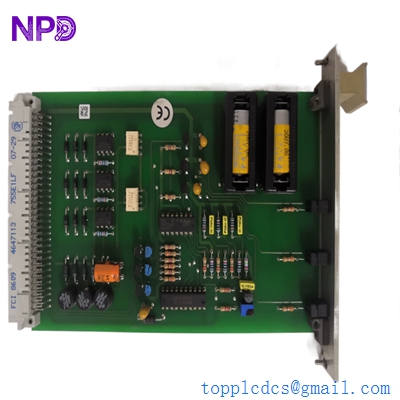
HIMA F7131
Key Technical Specifications
- Module Type: 4-fold power distribution
- Nominal Voltage: 24 VDC
- Number of Channels: 4 independent output circuits
- Fusing: 4x plug-in fuses (typically 4 A, adjustable based on application)
- Monitoring: Integrated monitoring of fuse status per channel
- Signal Output: Group alarm contact for fuse failure detection
- Form Factor: Standard HIMA 4-unit width module
- Backplane Connection: Standard HIMA H41q/H51q bus interface
- Isolation: Galvanic isolation between control logic and power outputs
- Operating Temp: 0 °C to +60 °C (32 °F to 140 °F)
Installation & Configuration Guide
Phase 1: Preparation (Pre-Installation)
⚠️ Safety First:
- This module handles primary 24 VDC distribution for safety-critical I/O. Ensure the main power supply is isolated before installation.
- Fuse Check: Verify that the fuses installed in the F7131 match the load requirements of your specific I/O loops. Using an oversized fuse can compromise circuit protection.
- Backup: Ensure you have documented which I/O racks are fed by this specific distribution module.
Phase 2: Removal of Faulty Module
- Identification: Locate the faulty module by the “Fuse” error LED on the front panel.
- Unlocking: Loosen the top and bottom retaining screws.
- Extraction: Pull the module straight out using the front handle. Note that HIMA modules sit firmly in the backplane; use steady, even pressure.
- Wiring: If using the front-panel screw terminals for distribution, label all wires (1 through 4) before disconnection.
Phase 3: New Module Installation
- Physical Inspection: Check the rear connector for any debris or bent pins.
- Insertion: Slide the F7131 into the card guides until it seats firmly into the backplane.
- Wiring: Reconnect the distribution wires to the front terminals. Ensure all connections are tight to prevent high-resistance “hot spots.”
Phase 4: Commissioning & Testing
- Power-Up: Restore 24 VDC power.
- LED Check: All channel LEDs should be green. A red LED indicates a blown fuse or a short circuit on the output side.
- Signal Validation: Verify that the “Group Alarm” contact is closed (healthy).
- Voltage Check: Use a multi-meter to confirm 24 VDC is present at the front-panel output terminals for each of the 4 channels.
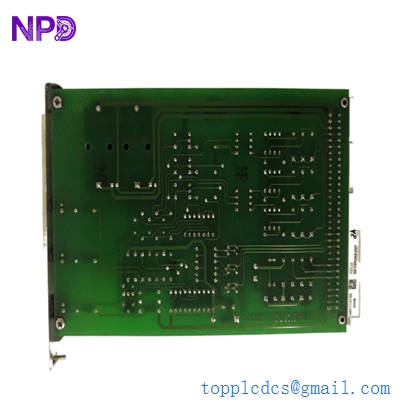
HIMA F7131
Customer Cases & Industry Applications
Case 1: Resolving Nuisance Trips in a Gas Processing Plant
Situation: A gas processing facility in the Middle East was experiencing intermittent power drops in their H51q safety rack, leading to nuisance trips of the Emergency Shutdown (ESD) system. The issue was traced to an aging F7131 module where the fuse holders had developed high contact resistance.
Task: The plant needed a replacement module that could handle the high ambient temperatures and provide reliable power distribution to their critical I/O sensors.
Action: We provided a New Surplus HIMA F7131 module. Being “New Surplus,” the internal contacts and terminal blocks were pristine, ensuring a low-resistance connection.
Result: After installation, the power supply to the I/O rack stabilized, and the nuisance trips were eliminated. The maintenance lead noted: “In safety systems, even a minor power fluctuation is a major problem. The new F7131 fixed a headache we’d had for months.”
Case 2: Strategic Spares for a Refinery Lifecycle Extension
Situation: A refinery in Southeast Asia decided to extend the lifecycle of their HIMA H41q systems by another 10 years. Their “Critical Spares” list identified power distribution as a potential single point of failure.
Task: They needed original, high-quality modules to replace units that had been in service for 20+ years. They specifically avoided used parts to ensure the highest reliability.
Action: We supplied a batch of 4 F7131 modules. These were sourced from a controlled environment and were verified to be in original factory condition.
Result: The refinery successfully refreshed their power distribution layer. By holding these New Surplus spares, they protected their SIL 3 safety loops without the immediate need for a multi-million dollar system migration.
Frequently Asked Questions (FAQ)
Q: Can I change the fuse rating on the F7131? A: Yes, the F7131 uses standard plug-in fuses. However, you must ensure that the total load across all 4 channels does not exceed the module’s rated capacity and that your wiring can handle the fuse’s trip current.
Q: What happens if a fuse blows? A: The corresponding LED on the front panel will turn Red, and the module will trigger a group alarm signal to the HIMA processor. This allows for immediate operator notification while the other three channels continue to operate normally.
Q: Is the F7131 hot-swappable? A: HIMA H41q/H51q modules are generally designed for ease of maintenance, but because this is a power distribution module, pulling it will immediately kill power to any connected I/O. You should only swap this when the connected loops are bypassed or the system is offline.
Q: Why choose New Surplus over Refurbished for power modules? A: Power modules like the F7131 deal with significant current. Refurbished units may have stressed solder joints or oxidized terminals from years of heat. New Surplus units are “fresh,” providing the best possible electrical path and long-term reliability.
Q: Does the F7131 monitor the input voltage? A: The primary function is monitoring the output circuits (fuses). If the input voltage to the rack fails, the entire module (and rack) will go down, which is handled by the system’s main power supply monitoring logic.