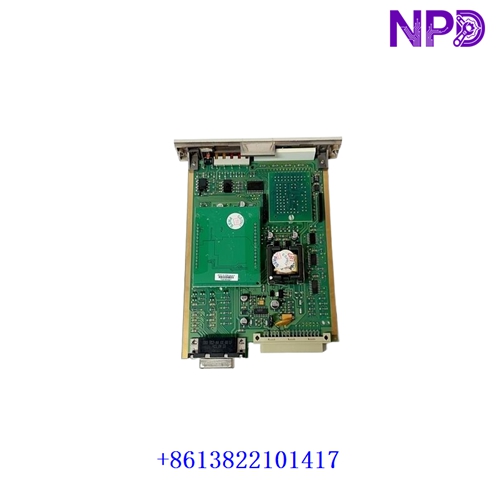

Description
◼ Product Datasheet & Technical Parameters
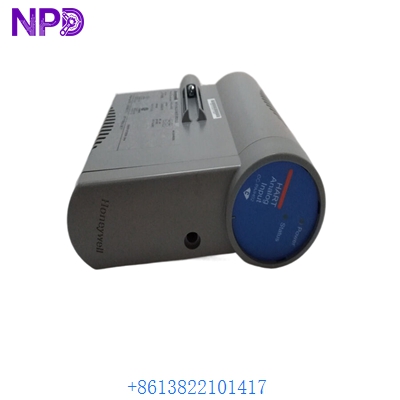
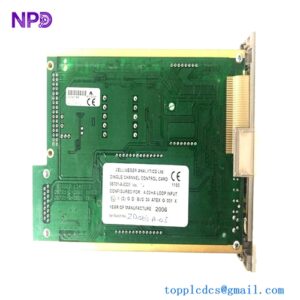
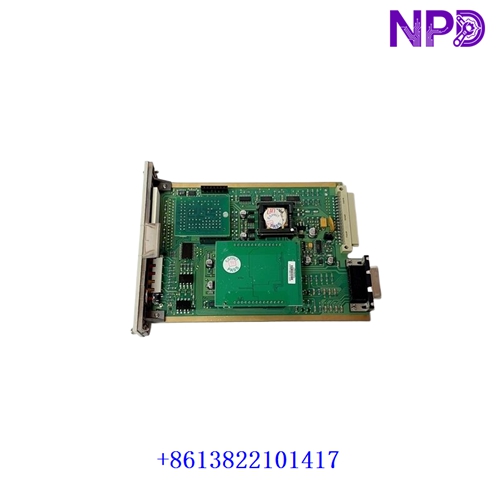
The Honeywell 05701-A-0302 is an advanced industrial safety sensing module engineered for high-precision gas monitoring in hazardous environments. Below are the core technical specifications governing its physical and operational characteristics:
- Brand: Honeywell
- Model: 05701-A-0302
- Series: Searchpoint / Sensepoint Industrial Line
- Product Name: Gas Detection Control & Sensor Module
- Origin Country: United States / United Kingdom
- Physical State: Solid / Electronic Assembly
- Dimensions: 145 mm x 110 mm x 65 mm
- Weight: 0.85 kg
- Place of Manufacture: Honeywell Analytics Manufacturing Plant
- Power Consumption: 5.2 W (Nominal) / 7.5 W (Peak)
► Operation Specifications & Usage Methods
Proper initialization and deployment ensure optimal sensing accuracy and prolonged hardware lifespan. Operators must adhere to the following sequence during active deployment:
- Ensure all input power connections are verified against the nominal voltage requirements before switching on the primary circuit breaker.
- Perform a systematic zero-calibration check in a clean ambient atmosphere prior to initiating full-scale monitoring operations.
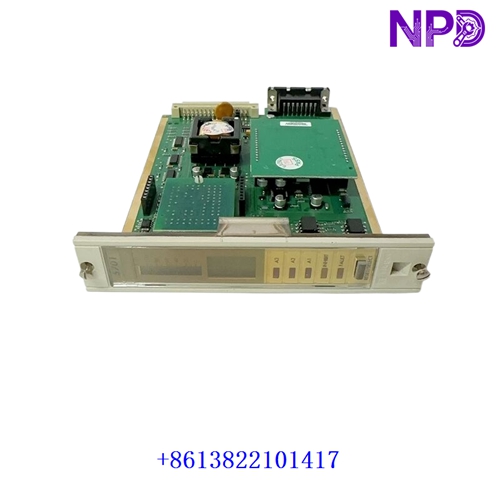
- Monitor the LED status indicators on the front panel to confirm that normal operational states are sustained without fault codes.
⚠ Emergency Shutdown Operation
In the event of an abnormal facility condition, structural alarm trigger, or imminent safety hazard, execute the following emergency protocol immediately:
- Disengage the main electrical power feed by activating the primary emergency power cutoff switch located on the control panel.
- Evacuate personnel from the immediate hazard zone according to established plant safety evacuation procedures.
- Notify the facility safety officer and maintenance engineering team immediately before attempting any physical inspection.
⚙ Troubleshooting & Common Issues
System irregularities can usually be diagnosed and resolved by evaluating error outputs and verifying environmental constraints. Review the diagnostic recommendations below:
- If power initialization fails, inspect the external fuse assembly and verify that terminal wiring continuity remains intact.
- If erratic sensor readings occur, check for particulate accumulation on the sensing element and clean gently using approved procedures.
- Communication timeouts indicate potential signal degradation; inspect shielded data cables for physical damage or loose pin connections.
🛠 Routine Maintenance & Servicing
Preventative maintenance safeguards operational reliability and minimizes unexpected downtimes. Follow these scheduled inspection intervals:
- Conduct visual inspections of the housing enclosure and mounting brackets on a monthly basis to detect any environmental corrosion or loosening.
- Perform functional response checks using certified calibration gas mixtures every six months to verify sensor sensitivity thresholds.
- Replace internal consumable gaskets and backup filters annually or as specified by operational exposure severity.
❓ Frequently Asked Questions (Q&A)
- Q1: What should I do if the module displays a persistent calibration fault error?
- A1: Ensure the calibration gas concentration matches the programmed reference value. If the fault persists after re-zeroing, the sensor element may require replacement.
- Q2: Can this module operate safely in high humidity environments?
- A2: Yes, the unit is designed with moisture-resistant seals, but direct water immersion or condensation build-up inside the terminal compartment must be strictly avoided.
- Q3: How frequently must full sensor calibration be performed?
- A3: Standard operational guidelines recommend full calibration every 6 months, though harsher environments may necessitate quarterly checks.