Description
- Model: HONEYWELL 05701-A-0302
- Brand: Honeywell Analytics (formerly Zellweger)
- Series: System 57 Gas Detection Series
- Core Function: Single-channel gas control card for processing sensor signals
- Type: Control Module / Signal Processor
- Key Specs: 18-32 V DC input, 4-20 mA input signal, 3-level alarm relays
- Input Voltage: 18 V DC to 32 V DC
- Power Consumption: Typically < 3.5 Watts
- Input Signal: 4-20 mA (supports 2-wire or 3-wire transmitters)
- Display: 4-character high-visibility LCD + Multi-segment bar graph
- Alarms: 3 configurable alarm levels (A1, A2, A3)
- Relay Outputs: SPCO (Single Pole Change Over) rated at 5A / 250V AC
- Operating Temperature: -5°C to +55°C
- Mounting: Fits System 57 rack (standard 3U height)
- Resolution: 0.1% or 1 unit of measurement
- Configuration: Front panel push-buttons or RS485 interface
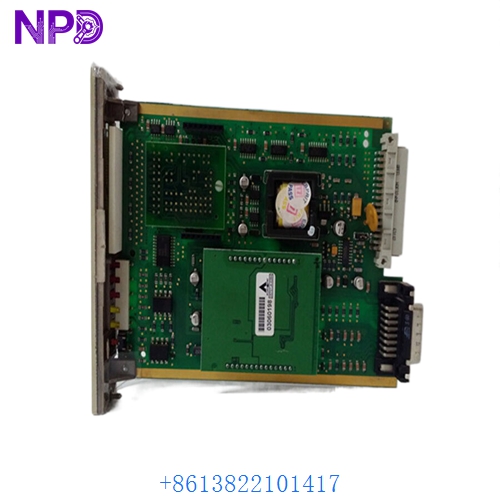
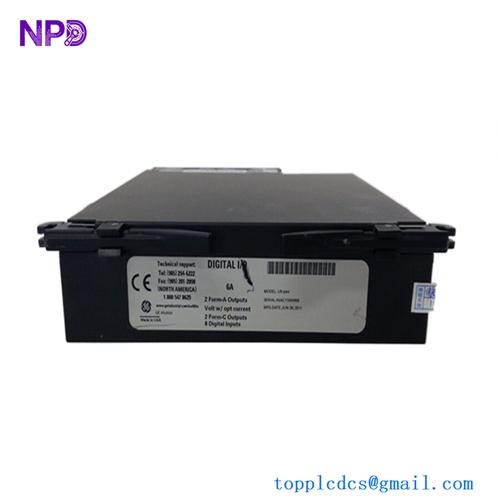
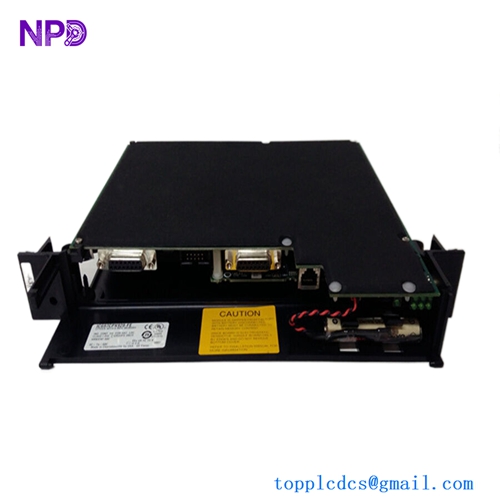
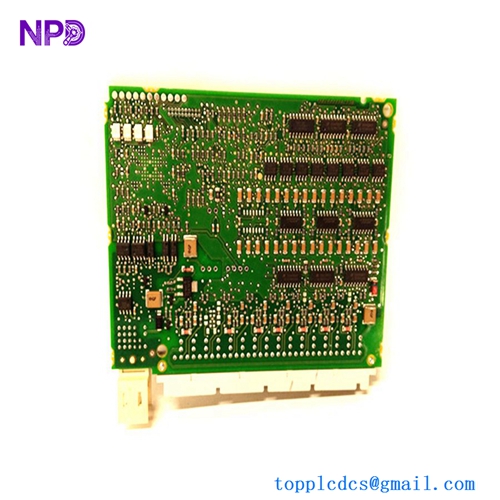
HONEYWELL 05701-A-0302
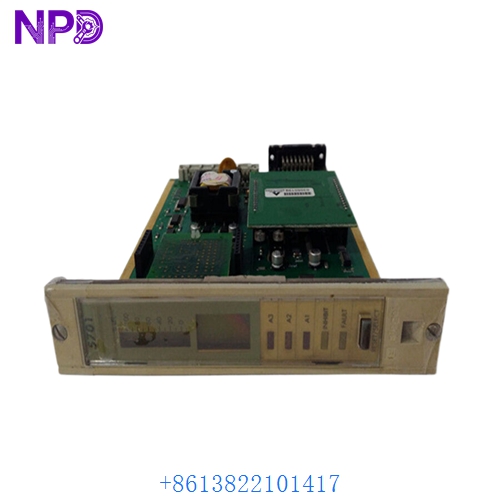
HONEYWELL 05701-A-0302
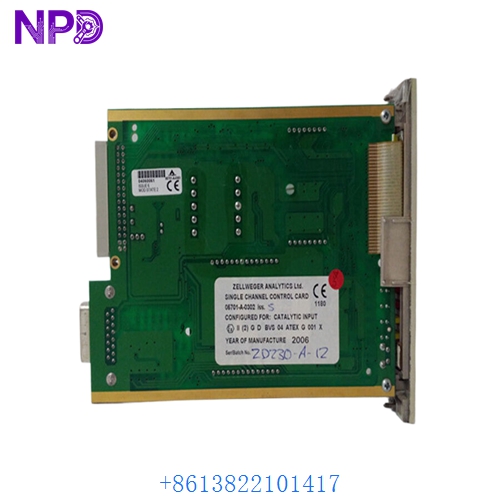
HONEYWELL 05701-A-0302
Installation & Configuration Guide
Phase 1: Preparation (10 minutes)
⚠️ Safety Warning: Gas detection is a life-safety application. Before starting, ensure you have a “Hot Work” permit if required and notify the control room that the gas loop will be offline. Use an anti-static bag for transport to the rack.
Required Items:
- Flat-blade “Jeweler’s” screwdriver (2.5mm).
- Calibrated gas source (if performing a full loop check).
- A 500V insulation tester to check cable integrity if this is a “first-time” install.
Phase 2: Card Installation (5 minutes)
Steps:
- Rack Check: Ensure the System 57 rack power is stable. While these are designed for rack mounting, I always suggest powering down the specific rack slot if the backplane allows, to prevent transient spikes.
- Alignment: Align the 05701-A-0302 card with the plastic guides in the rack.
- Seating: Slide the card in smoothly. You will feel a slight resistance as the 96-pin DIN connector engages the backplane. Press firmly until the front plate is flush.
- Securing: Tighten the two retention screws at the top and bottom. This ensures a solid ground connection through the rack frame.
Phase 3: Setup & Calibration (20 minutes)
The “Real World” Procedure:
- Self-Test: Upon power-up, the card performs a routine self-check. The display will cycle through all segments.
- Sensor Pairing: Ensure the card is configured for the correct gas type (Flammable, Toxic, or Oxygen). This is usually set via the front-panel menu.
- Zeroing: With no gas present at the sensor, perform the “Zero” function.
- Span Calibration: Apply the calibration gas. In my experience, waiting for the sensor to stabilize for at least 60-90 seconds is crucial before hitting the “Accept” button on the 05701-A-0302 interface.
- Relay Logic: Verify that your alarm setpoints (A1, A2, A3) match the plant’s safety logic. Test the relay “Fire” to ensure the sirens or valves trigger correctly.
Customer Cases & Industry Applications
Case 1: Marine LNG Carrier Retrofit
Situation: An older LNG carrier used a System 57 rack for pump room monitoring. Several cards were “drifting” due to age and salt-air exposure. Task: The owner needed 5 identical 05701-A-0302 modules to avoid a total system overhaul, which would have required expensive class-society re-certification. Action: We supplied 5 New Surplus units with matching firmware revisions. Result: The crew replaced the cards mid-voyage. The system passed the next port-state inspection with zero deficiencies. Total savings over a new system? Roughly $45,000.
Case 2: Chemical Warehouse “Quick Fix”
Situation: A chemical storage facility in Europe had a single-point failure on their Chlorine monitor. The OEM quoted a 14-week lead time for a new card. Task: Find an immediate HONEYWELL 05701-A-0302 replacement to maintain compliance with local environmental regulations. Action: We shipped a unit from our Shenzhen stock via overnight air. Result: The facility was back to 100% monitoring capacity within 72 hours. The plant manager told us that every day of “limited operation” cost them $5,000 in throughput—the card paid for itself in the first 4 hours.
Frequently Asked Questions (FAQ)
Q: Can I use the 05701-A-0302 for both toxic and flammable gases? A: Yes. The card is a universal signal processor. However, the input configuration must match the transmitter you are using. Toxic sensors usually require different gain settings than flammable catalytic beads. Always check the sensor’s mA output range.
Q: My display shows “FLT” (Fault). What does that mean? A: Usually, it’s a loop failure. Check the wiring between the card and the sensor. In many cases we’ve seen, it’s actually a blown fuse on the backplane or a depleted sensor head, not the 05701-A-0302 card itself. Try swapping the card to a known-good slot to isolate the fault.
Q: Why is your price lower than the “New Factory” price? A: These are “New Surplus.” They came from projects that were over-ordered or cancelled. They are 100% genuine and unused, but since they didn’t come directly from a Honeywell factory yesterday, we price them to move. You get the same quality without the “factory lead time” headache.
Q: Does it come with a test report? A: Absolutely. Every 05701-A-0302 we ship goes through a functional power-on test and I/O simulation. We can provide photos of the card powered up in our test rack before we pack it for you.
Q: Is the firmware version important? A: Generally, System 57 cards are backward compatible. However, if you are using an RS485 Modbus gateway to a SCADA system, specific registers might change between versions. Let us know your current firmware (displayed on boot-up) and we will try to match it.