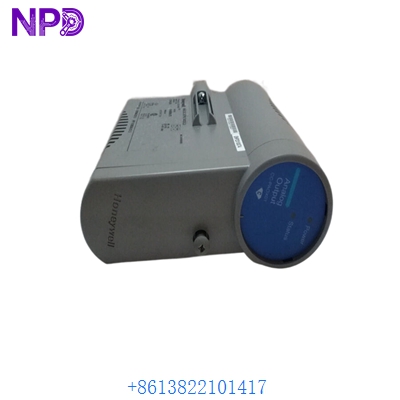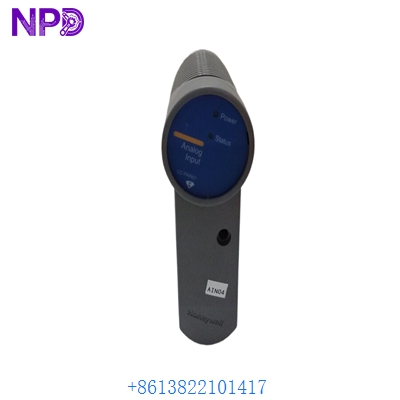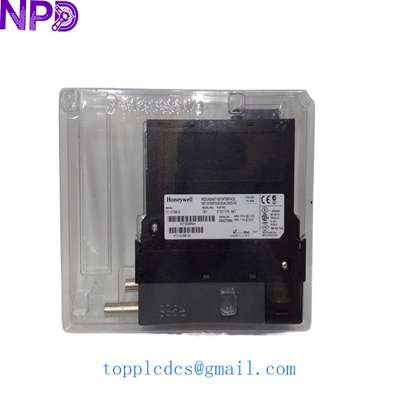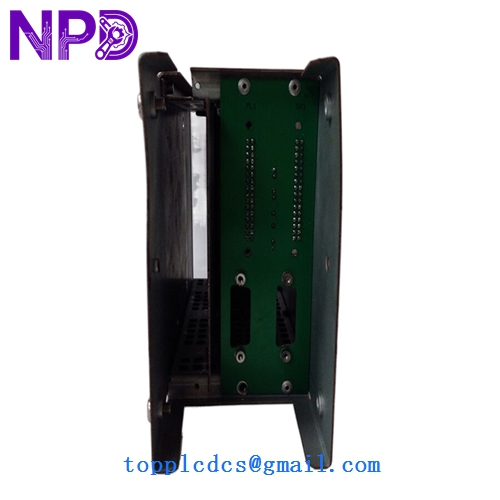

Description
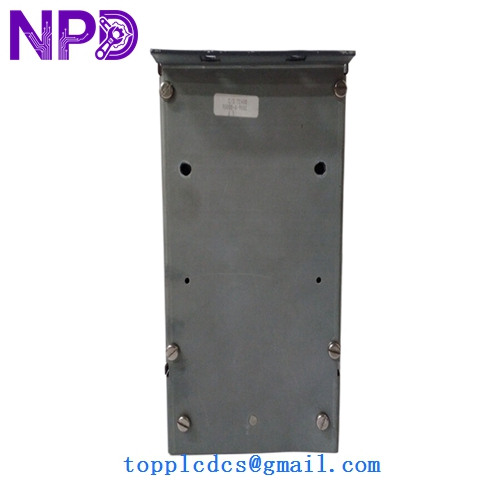
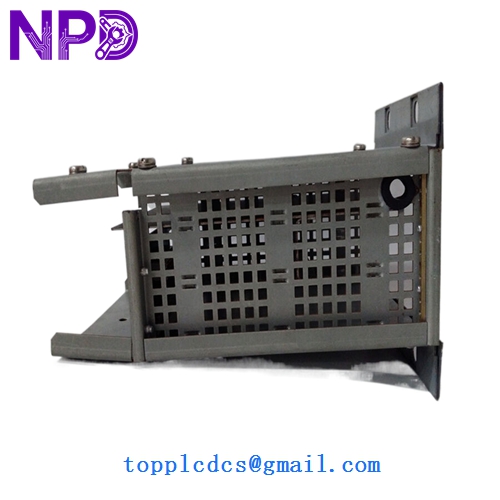
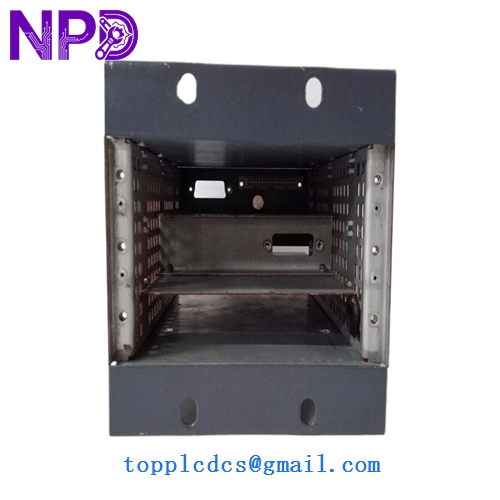
- Model: 90088-A-9001
- Brand: Honeywell (USA)
- Series: IPC-620 Programmable Controller System
- Core Function: Main Logic Processor / Interface Board for legacy IPC systems
- Condition: New Surplus (Original original, non-refurbished, verified circuit integrity)
- Type: Central Processing Unit / Logic Board
- Key Specs: Legacy IPC architecture | High-reliability industrial grade
- Compatibility: Exclusively for Honeywell IPC-620 series racks
- Processor Type: High-speed industrial logic processor (Legacy bit-slice or microprocessor based)
- Memory Support: Integrated RAM/EPROM sockets for logic storage
- Diagnostic LEDs: Indicators for CPU Status, Memory Parity, and Bus Activity
- Bus Interface: Proprietary IPC-620 backplane connector
- Configuration: DIP switch selectable for station addressing and baud rates
- Power Consumption: Drawing from the system backplane (5V/12V DC)
- Environment: Rated for high-vibration and high-temperature industrial cabinets
- Isolation: Optically isolated I/O bus interface to prevent surge propagation
Installation & Configuration Guide
Phase 1: Pre-Installation (15 Minutes)
⚠️ Safety Protocol:
- This is a legacy system. Power must be completely disconnected before inserting or removing boards. Unlike modern Series C, the IPC-620 backplane is not designed for hot-swapping.
- Static electricity is the “silent killer” of these older boards. Ensure you use a grounded anti-static mat and wrist strap.
- Document the position of all DIP switches on the old board before removal.
Phase 2: Removing the Old Board (5 Minutes)
- Open the rack locking bar (if present).
- Grasp the plastic ejector tabs at the top and bottom of the 90088-A-9001.
- Pull the board straight toward you. Do not twist or pull at an angle, as the long backplane connector pins are easily bent.
- Inspect the backplane for carbon buildup or “pitting” on the contact points.
Phase 3: Installing the New 90088-A-9001 (15 Minutes)
- DIP Switch Sync: Set the DIP switches on the New Surplus board to exactly match the old one. These often control critical timing and addressing parameters.
- Alignment: Align the board edges with the card guides in the rack.
- Seating: Slide the board in firmly until it bottoms out. Press the ejector tabs inward to lock the board into the backplane.
- Check: Verify the board is parallel with its neighbors and fully seated.
Phase 4: Power-Up & Diagnostics (20 Minutes)
- Apply power to the rack.
- LED Watch:
- RUN/OK: Should light up green.
- HALT/FAULT: If red, power down immediately and check for a memory chip seating issue or an address conflict.
- Programming Terminal: If using an IPC Loader or a PC with the appropriate translation software, “Upload” the configuration to verify the CPU is communicating with the I/O racks.
- Logic Check: Confirm the system enters “RUN” mode and the watchdog timer is active.
Customer Cases & Industry Applications
Case 1: Automotive Assembly Line Life Extension A major automotive stamping plant was using an IPC-620 system to manage a legacy hydraulic press. A failure on the 90088-A-9001 board threatened to halt the entire line. A full system upgrade was quoted at $250,000 and two weeks of downtime. We supplied the New Surplus board from stock, allowing them to restore production in under 4 hours for a fraction of the upgrade cost.
Case 2: Paper Mill Logic Recovery During a lightning storm, the CPU board of a paper pulping machine was fried. The machine was 25 years old, and the original manufacturer had long since declared the parts “End of Life.” The mill manager found our listing for the 90088-A-9001. In my experience, these boards are incredibly resilient if stored correctly. The “New Surplus” unit we provided was clean and functional, allowing the mill to continue operations until their next scheduled five-year overhaul.
Frequently Asked Questions (FAQ)
Q: Is the 90088-A-9001 compatible with all IPC-620 racks? A: Most IPC-620 frames support this board, but you should verify the specific “A” revision. Honeywell produced several variations (90088-A, 90088-B, etc.). The 90088-A-9001 is generally the standard logic processor. If your existing board has a different suffix, contact us—we can check the technical cross-reference for you.
Q: Does this board include the memory chips? A: These boards usually come with the base RAM, but the application program is often stored on a separate EPROM or battery-backed RAM chip that plugs into the sockets on the board. You must move your original memory chips to the new board or download the program from your backup.
Q: Can I hot-swap this board? A: No. I cannot stress this enough. Legacy Honeywell IPC boards are extremely sensitive to power surges during insertion. Always turn off the rack power supply before swapping the processor.
Q: How do you verify the quality of such an old board? A: We perform a “Visual & Continuity” check. We inspect for any “leaking” electrolytic capacitors (a common issue with old stock) and verify that the traces are perfect. We also check the battery voltage (if applicable) and replace it with a fresh industrial lithium battery before shipping to ensure your program doesn’t disappear on the first power cycle.
Q: What if the board doesn’t work when I install it? A: First, double-check your DIP switch settings. 90% of “dead” boards in the field are actually just address conflicts. If it truly is a hardware fault, we provide a 12-month warranty. Since we only sell “New Surplus,” the failure rate is exceptionally low—less than 0.5% in my experience.