Description
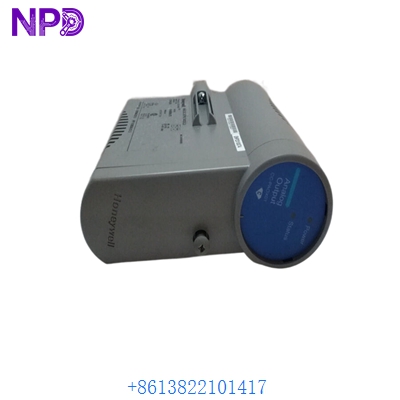
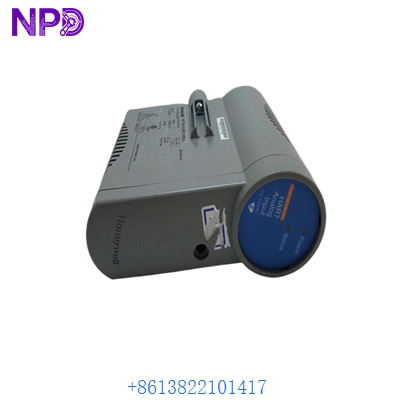
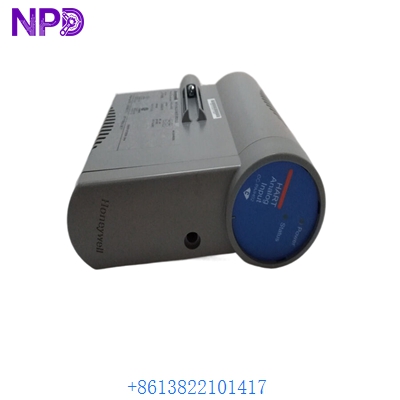
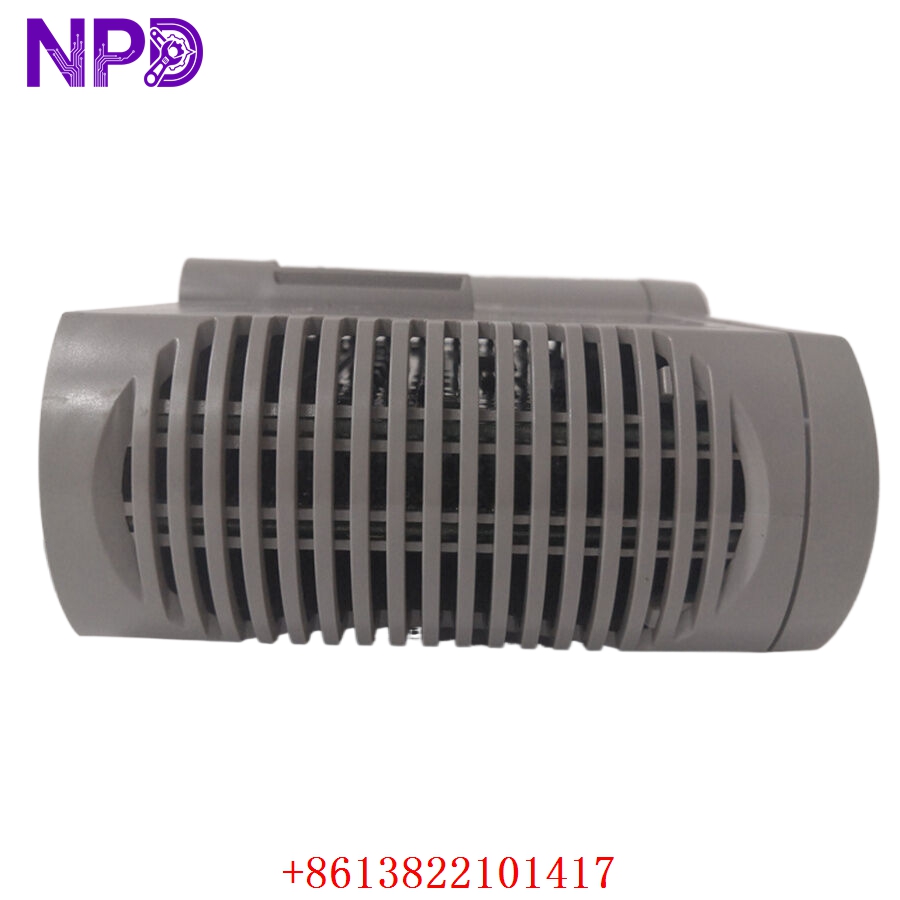
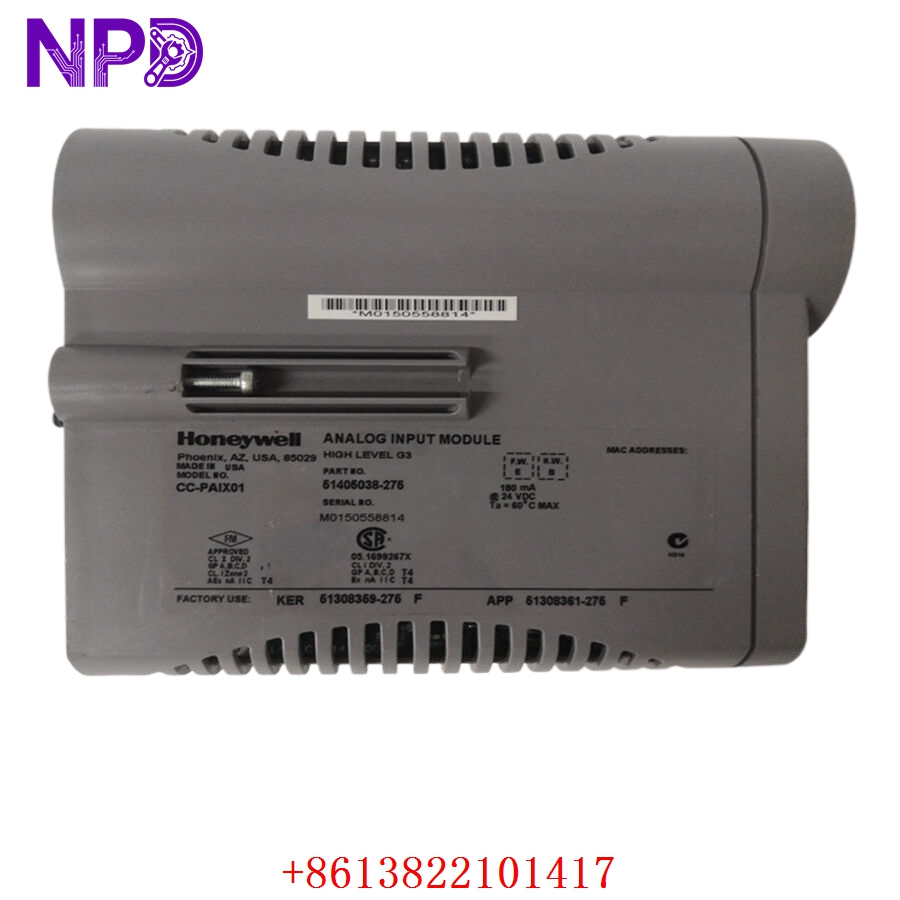
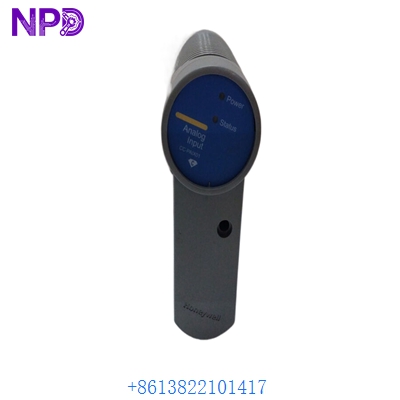
The Honeywell CC-PAIX01 is a high-performance Analog Input module designed for use within the Experion PKS (Process Knowledge System) C300 controller platform. It provides high-density, reliable signal acquisition for industrial process control, enabling the integration of various field instruments—such as pressure, temperature, and flow transmitters—into a unified control architecture. It is engineered for critical applications where process uptime and measurement precision are paramount.
Technical Specifications
| Parameter | Detail |
| Model | CC-PAIX01 |
| Manufacturer | Honeywell |
| Module Type | Analog Input (AI) |
| System Compatibility | Experion PKS / C300 Controller Series |
| Number of Channels | 16 Channels |
| Input Signal Type | 4-20 mA (Analog) |
| Mounting | I/O Rail / Field Termination Assembly (FTA) |
| Operating Temp | 0°C to 60°C |
Fields of Application
The CC-PAIX01 is widely utilized in heavy industrial environments where complex process monitoring is required. Common applications include:
- Petrochemical and Refining: Monitoring multi-point tank levels, flow rates, and pressure loops.
- Power Generation: Boiler control systems and turbine auxiliary monitoring.
- Water Treatment: Managing large-scale chemical dosing and flow feedback loops.
- Specialty Chemical Manufacturing: High-precision reaction monitoring where signal stability is required for quality control.
Product Introduction
The CC-PAIX01 is part of Honeywell’s I/O family designed to bridge the gap between physical field sensors and the digital control environment. It features advanced isolation technology to prevent ground loops and electrical noise from interfering with the 4-20mA signals. By digitizing these inputs, the module allows the C300 controller to execute advanced control strategies, alarm management, and historical data logging with extreme reliability.
Product Use Instructions
To deploy the CC-PAIX01 module:
- Ensure the I/O rack is powered down before installation to prevent potential surge damage.
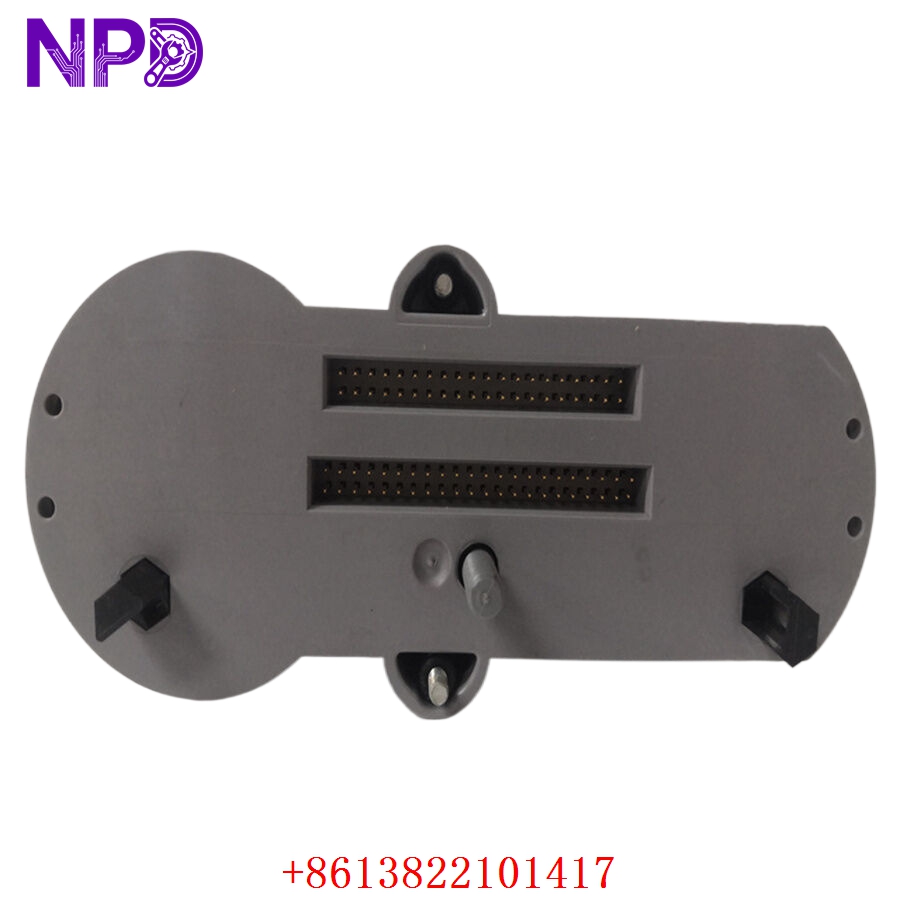
- Align the module with the dedicated slots on the I/O backplane and press firmly until the module is fully seated.
- Secure the module using the integrated locking mechanism at the top and bottom.
- Connect the signal wires to the corresponding Field Termination Assembly (FTA). Ensure all shielding is terminated correctly to the common ground rail to prevent electromagnetic interference.
- Once powered on, use the Experion configuration software to map the channels to your control strategy.
Product Use Precautions
Avoid hot-swapping the module unless the system architecture specifically supports “Removal and Insertion Under Power” (RIUP) for your specific cabinet configuration; always check the system status before proceeding. Keep the module clear of excessive vibration and corrosive gases, which can degrade the electrical contacts on the backplane. Ensure that the input signal does not exceed 24mA, as current levels beyond this threshold can trigger a hardware fault or damage the input resistor network.
Frequently Asked Questions (Q&A)
Q: Is the CC-PAIX01 isolated?
A: Yes, the module provides channel-to-channel isolation, which is critical for preventing crosstalk between different process loops.
Q: How do I diagnose a channel failure?
A: You can use the Experion Station diagnostic pages to view the status of each channel. A “Bad” status often indicates an open circuit, a blown fuse on the FTA, or a short-circuited transmitter.
Q: Does this module support HART protocol?
A: No, the CC-PAIX01 is a standard Analog Input module. If you require HART capability, you should look for the specifically designated HART-compatible I/O modules in the Honeywell catalog.
Product Operation Methods
The CC-PAIX01 operates as an active analog-to-digital converter. It continuously samples the current loop of each of its 16 channels, performs signal filtering to eliminate high-frequency noise, and converts the data into a digital format. This data is then transmitted to the C300 controller over the I/O link. Operators can monitor these values in real-time through the HMI, where the module provides status information regarding signal quality (Good/Bad/Uncertain) alongside the numerical value.