
Description
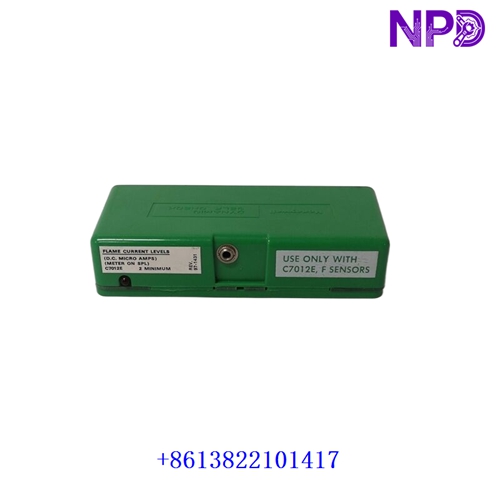
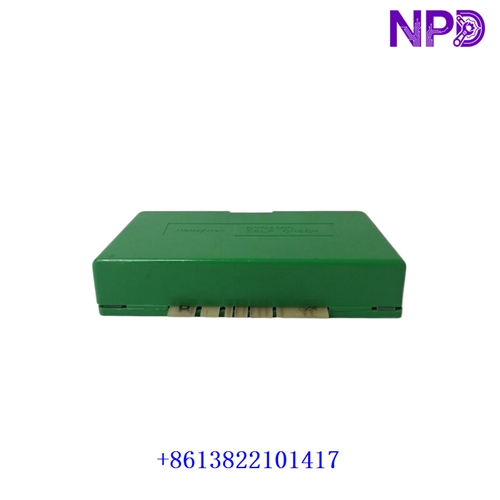
The Honeywell R7247C1001 (also referenced as R7247C1001/U) is a solid-state, plug-in Ultraviolet (UV) flame amplifier engineered for industrial burner management and flame safeguard systems. It features dynamic self-checking functionality, continuously verifying the operational integrity of both the amplifier circuit and the connected UV flame sensor to ensure safe combustion execution in gas, oil, or dual-fuel industrial burners.
| Parameter | Specification |
|---|---|
| Brand / Manufacturer | Honeywell |
| Model / Part Number | R7247C1001 |
| Product Type | Dynamic Self-Check Flame Safeguard Amplifier |
| Detection Technology | Ultraviolet (UV) |
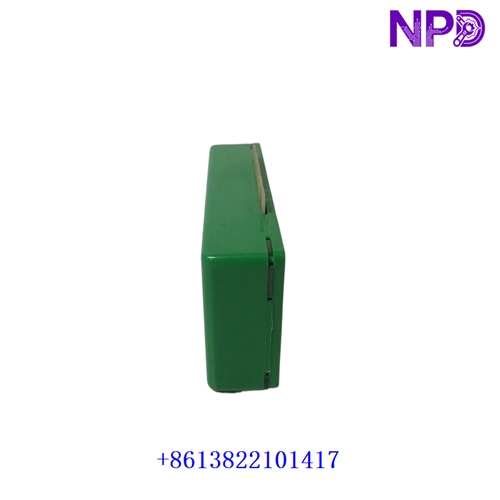
| Housing Color Code | Green (Standard Honeywell identifier for UV self-check amplifiers) |
| Flame Failure Response Time (FFRT) | 2.0 to 4.0 seconds |
| Compatible Flame Scanners | C7012E, C7012F (Self-checking UV detectors) |
| Compatible Primary Controls | BC7000 Series, R4140, R4075, R4138 Series |
| Product Status | Industrial Control Spare Part / Legacy System Support |
First-Run Inspection Checklist
- ☑ Visual & Physical Housing Check
Inspect the green plastic housing, gold-plated edge connector pins, and internal circuit components for any transit damage, cracking, or dust accumulation.
- ☑ Primary Chassis Compatibility
Ensure that the host burner control chassis (such as an R4140 or BC7000) is powered down and fully verified as compatible with dynamic self-checking UV amplifiers before insertion.
- ☑ Sensor Matching Verification
Confirm that the installed flame scanner is a compatible dynamic self-checking model (e.g., C7012E/F). Standard non-self-checking scanners will trigger fault lockouts.
Routine Maintenance & Servicing
- 🛠 Flame Signal Measurement
Regularly measure DC microamp flame signal strength using the test jacks on the primary control chassis to verify optical lens cleanliness and proper scanner alignment.
- 🔌 Dynamic Shutter Verification
Listen for the periodic clicking sound of the mechanical shutter inside the C7012 scanner, which proves that the self-check mechanism is actively cycling.
Troubleshooting & Common Issues
- ⚠️ Nuisance Lockouts or Weak Signal
If the burner trips on flame failure, inspect the UV scanner quartz lens for soot or oil film buildup, clean the glass, and re-verify optical sighting before suspecting amplifier failure.
- ⚠️ Amplifier Safety Lockout (Self-Check Fault)
If the unit immediately locks out on startup, check for a jammed shutter in the UV scanner or a shorted UV tube that prevents the amplifier from seeing the required “no-flame” test phase.
Safety Precautions
- 🔐 Qualified Personnel Only
Installation, wiring, and maintenance must be performed strictly by certified burner technicians trained in industrial combustion safety codes and flame safeguard systems.
- ⚠️ Power Isolation
Always disconnect all electrical power from the burner management control chassis before plugging in or removing the amplifier module to prevent electrical shock or control logic errors.
Frequently Asked Questions (Q&A)
- ❓ Q1: What is the purpose of the dynamic self-check feature?
A: It periodically interrupts the optical path using a mechanical shutter in the scanner. This tests the amplifier and sensor circuitry to ensure they can accurately detect a true flame failure and prevent unsafe burner operation.
- ❓ Q2: Can this amplifier be used with infrared (IR) or flame rod detectors?
A: No. The R7247C1001 is exclusively designed for ultraviolet (UV) flame detection systems requiring dynamic self-checking capability.