Description
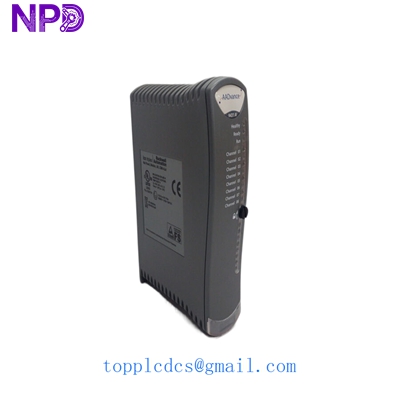
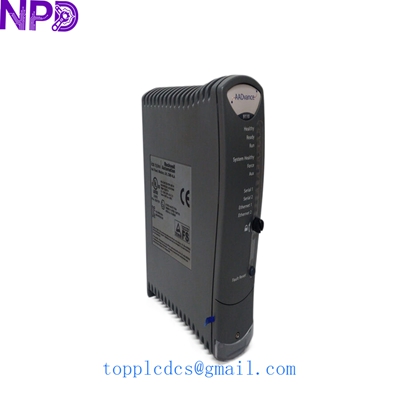
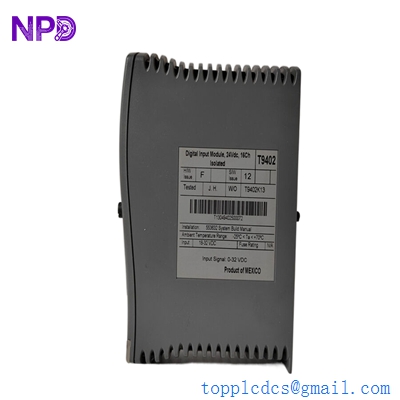
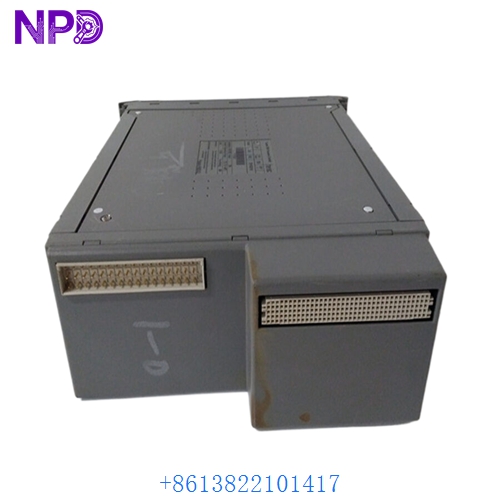
- Model: ICS Triplex T8110C B
- Brand: ICS Triplex (Rockwell Automation)
- Series: Trusted™ TMR (Triple Modular Redundant) System
- Core Function: Central processing and safety logic execution
- Type: Main Processor Module (Version C, Revision B)
- Key Specs: Triple Modular Redundant architecture, high-speed ControlBus interface
- Architecture: Fault-Tolerant TMR (Triple Modular Redundant)
- Safety Rating: SIL 3 (IEC 61508)
- Processor Speed: High-speed RISC-based processing for sub-millisecond logic execution
- Memory: ECC (Error Correcting Code) protected RAM for safety-critical data
- Communication: Dual redundant ControlBus interfaces; Front-panel RS-232/485 service ports
- Diagnostics: Extensive internal self-test and voting health monitoring
- Input Power: +24 V DC (via the Trusted Controller Chassis)
- Operating Temp: -5°C to +60°C (Standard industrial range)
- Coating: Conformal coated for G3 harsh environments (Standard on ‘C’ versions)
- Compliance: CE, UL, CSA, and TUV certified for safety-instrumented systems (SIS)
ICS Triplex T8110C B
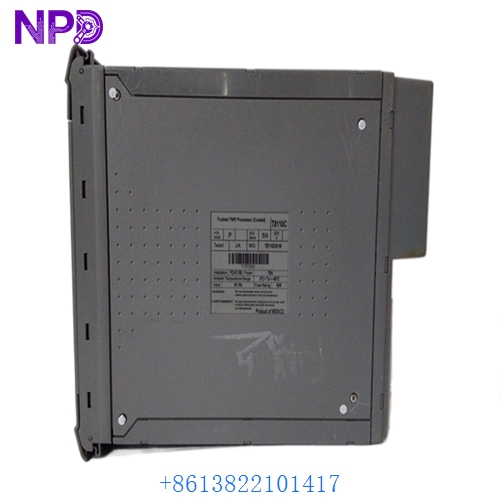
ICS Triplex T8110C B
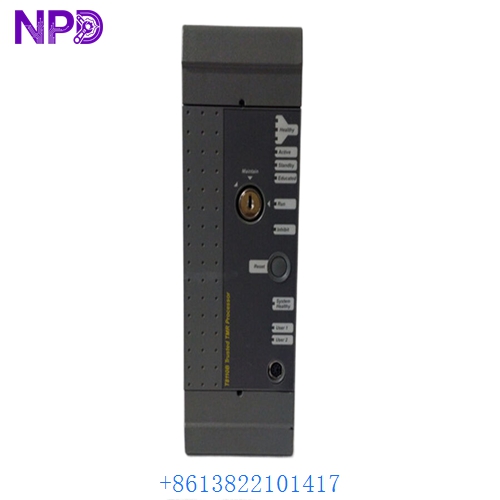
ICS Triplex T8110C B
Installation & Configuration Guide
Phase 1: Preparation (20 minutes)
⚠️ Critical Safety Warning: The T8110C B is the “brain” of a Safety Instrumented System (SIS). While the Trusted system is designed for high availability, removing a processor while the system is in “Degraded” mode (where other processors are already faulted) will lead to an immediate total system shutdown.
Required Items:
- Grounded anti-static wrist strap (Mandatory).
- TRUSTED Toolset (Workbench) software on a secure engineering workstation.
- Clean, lint-free cloth to inspect the high-density backplane pins.
Phase 2: Hardware Installation (15 minutes)
Steps:
- Identify the Slot: The T8110C B must be installed in the dedicated controller slots of the Trusted Controller Chassis.
- Alignment: Align the module with the top and bottom guide rails.
- Insertion: Slide the module in until the connectors touch the backplane. Use the injector/ejector handles to seat the module. You will feel a firm click as the high-density pins engage.
- Fastening: Tighten the captive screws at the top and bottom of the module to ensure a solid EMI ground and mechanical stability.
Phase 3: Synchronization & Re-education (30 minutes)
The Process:
- Power-Up Diagnostics: Upon insertion, the module will run an internal POST (Power-On Self-Test). The “Healthy” LED should begin to flash or stay solid green depending on the system state.
- Module Re-education: In a TMR setup, the new T8110C B will automatically synchronize its memory with the other active processors. This is an internal background process.
- Software Verification: Open the Trusted Toolset. Check the “System Health” monitor. The new module should transition from “Synchronizing” to “Active” or “Standby.”
- Firmware Consistency: Ensure the firmware revision on the new T8110C B matches the other processors in the triplet. Version mismatches can prevent the modules from voting correctly.
Customer Cases & Industry Applications
Case 1: Offshore Oil Platform ESD Recovery
Situation: An offshore platform in the North Sea had a processor failure in their Emergency Shutdown (ESD) system. The system was running in 2-out-of-3 (2oo3) mode, but the safety protocol required full redundancy restored within 72 hours. Task: Source a specific T8110C B (Revision B) to match the existing hardware profile. Action: We shipped a New Surplus unit via helicopter-ready express shipping. Result: The module was hot-swapped without interrupting production. The ESD system returned to its full 3-out-of-3 (3oo3) fault-tolerant state, maintaining the platform’s SIL 3 compliance.
Case 2: Chemical Refinery Modernization
Situation: A refinery was upgrading their process safety loops and needed to expand their Trusted rack capacity. Task: Find high-quality main processors that were not subject to the 20-week lead times of the OEM. Action: The client purchased two ICS Triplex T8110C B units from our New Surplus stock. Result: The project was completed two months ahead of schedule. The “New Surplus” status ensured the refinery received factory-fresh performance for their mission-critical safety logic.
Frequently Asked Questions (FAQ)
Q: What is the difference between T8110B and T8110C? A: The ‘C’ version (like the T8110C B) generally includes improved component revisions and enhanced conformal coating for better resistance to corrosive environments (G3 rating), which is vital for oil and gas applications.
Q: Can I hot-swap this module? A: Yes, the Trusted architecture supports hot-swapping of the T8110C B processor. However, you must ensure that at least one other processor in the triplet is “Healthy” and “Active” before removing the faulted unit.
Q: Why buy “New Surplus” for a SIL 3 system? A: In safety systems, reliability is everything. A “Used” module has unknown history and thermal stress. A New Surplus T8110C B provides the zero-hour reliability of a new part, ensuring that the internal safety-certified components have their full lifecycle remaining.
Q: How do I handle a firmware mismatch? A: If the new module does not synchronize, check the firmware version via the Trusted Toolset. You may need to perform a firmware update on the new module to bring it in line with the rest of the system. We can often assist with identifying the firmware version before shipping.
Q: Is the T8110C B compatible with newer Rockwell Automation Trusted software? A: Yes, since Rockwell acquired ICS Triplex, the Trusted line (including the T8110C) is fully integrated into the Rockwell Automation safety portfolio and remains supported by modern Trusted Workbench versions.