
Description
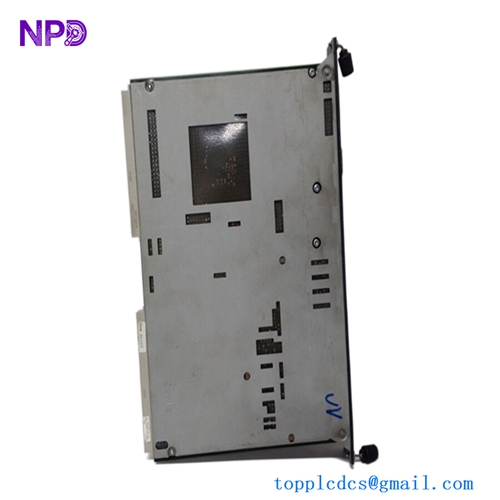
- Model: KEBA FB201 (Part No: 2100.1102)
- Brand: KEBA (Austria)
- Series: KeControl C2 / C3 Series
- Core Function: Fieldbus expansion module for EtherCAT or K-Bus communication
- Product Type: Communication/Fieldbus Module
- Key Specs: 24 VDC Supply LVDS Interface High-speed EtherCAT Support
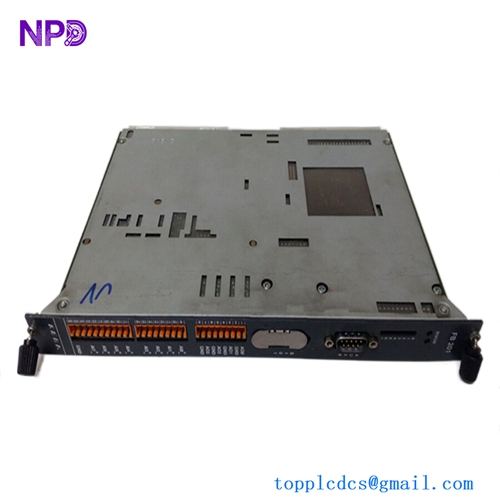
KEBA FB201
Key Technical Specifications
- Operating Voltage: 24 VDC (-20% / +25%)
- Interface: K-Bus (Internal) and EtherCAT (External)
- Communication Rate: 100 Mbit/s (Full Duplex)
- Address Setting: Hexadecimal rotary switches (for station ID)
- Diagnostics: 4 x Status LEDs (Link/Activity/Run/Err)
- Mounting: DIN Rail (Top-hat rail)
- Connection Type: RJ45 Shielded
- Power Consumption: Approx. 1.5 W
- Operating Temperature: +5 °C to +55 °C
- Galvanic Isolation: Yes (Functional isolation)
Application Scenarios & Pain Points
If you’ve ever worked on a KraussMaffei or Engel injection molding machine, you’ve likely stared at a KEBA rack. The FB201 is the “nerve center” that bridges the main CPU to the distributed I/O islands. In high-speed plastic processing, if this fieldbus module jitter increases or the connection drops, you don’t just lose a signal—you risk a “mold crash” because the hydraulic valves didn’t get the timing signal fast enough.
Typical Application Scenarios:
- Injection Molding Machines (IMM) The primary home for the FB201. It handles the high-speed data exchange between the KeControl CPU and the digital/analog I/O slices managing barrel heating and clamp pressure.
- Robotic Handling Systems Used in 3-axis top-entry robots for part extraction where synchronization with the machine’s main cycle is critical.
- Packaging Machinery Managing multi-axis motion synchronization over EtherCAT, ensuring sensors and actuators act in sub-millisecond windows.
- Retrofit Projects When upgrading an older KeControl C2 system to a more modern network topology without replacing the entire PLC rack.
Case Study: The “Intermittent Ghost” in the Rack
Background: A mid-sized plastics plant in Ohio was experiencing random “Bus Failure” alarms on an Engel machine. It happened 3-4 times a week, usually during the night shift.
The Problem: The maintenance crew replaced cables and checked the 24V power, but the issue persisted. When we got involved, we noticed the “Link” LED on the FB201 would flicker just before the trip. It wasn’t the cable; the internal LVDS bridge on the FB201 was failing due to years of heat cycling in a non-ventilated cabinet.
The Solution: We provided a new-surplus FB201 and, more importantly, advised the client to check the rotary address switches. The old module had slight oxidation on the contacts. We set the new module to the matching Hex address and the “Ghost” disappeared.
Result: Zero bus-related downtime over the following 6 months.
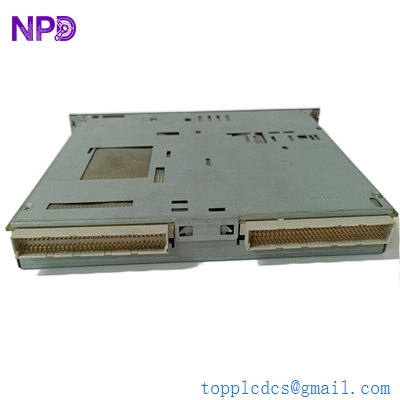
KEBA FB201
Compatible Replacement Models
KEBA hardware is very specific about versioning. Check your “Mat. Nr.” (Material Number) on the side label before ordering.
| Model | Compatibility | Main Difference | Change Requirement |
| FB200 | ⚠️ Limited | Older protocol version | May require firmware update on CPU |
| FB201 (2100.1102) | ✅ Direct | This is the standard unit | Plug and play (Match Hex switches) |
| FB211 | ❌ Incompatible | Different physical interface | Requires different rack/base |
Troubleshooting Quick Reference
| Status LED | Meaning | Possible Cause | Action |
| RUN (Green Off) | Module Stopped | No power or Init state | Check 24V; Check CPU status in KeStudio. |
| ERR (Red On) | Hardware Fault | Internal ASIC failure | Replace the FB201 module. |
| L/A (Flickering) | Data Transfer | Normal operation | No action required. |
| L/A (Dark) | No Link | Broken RJ45 or bad port | Swap the EtherCAT cable; test the switch port. |
Field Engineer’s “Pro-Tips”:
- The Address Trap: I can’t tell you how many times I’ve seen guys swap this module and forget to set the Hexadecimal rotary switches to match the old one. If the address is wrong, the CPU won’t “see” the I/O rack, and you’ll be stuck in the configuration tool for hours. Take a photo of the switches on the old unit before pulling it out.
- Shielding Matters: On KEBA systems, the EtherCAT shield must be continuous. If you use a non-shielded patch cable, the FB201 might work for an hour, then trip as soon as a big motor starts up nearby.
Our Quality & Testing SOP
We treat KEBA modules with extra care because they usually go into “mission-critical” molding machines:
- Source Verification: We verify the Austrian manufacturing origin and check for the “QC Passed” holograms.
- Visual Audit: We look for “bulging caps” or heat discoloration on the backplane connector pins.
- Functional Loop: We plug the module into a KeControl test rack and verify it shows up in the
KeStudiodevice tree without CRC errors. - Packaging: Vacuum-sealed ESD bags are mandatory to prevent oxidation of the gold-plated connector pins during sea or air freight.