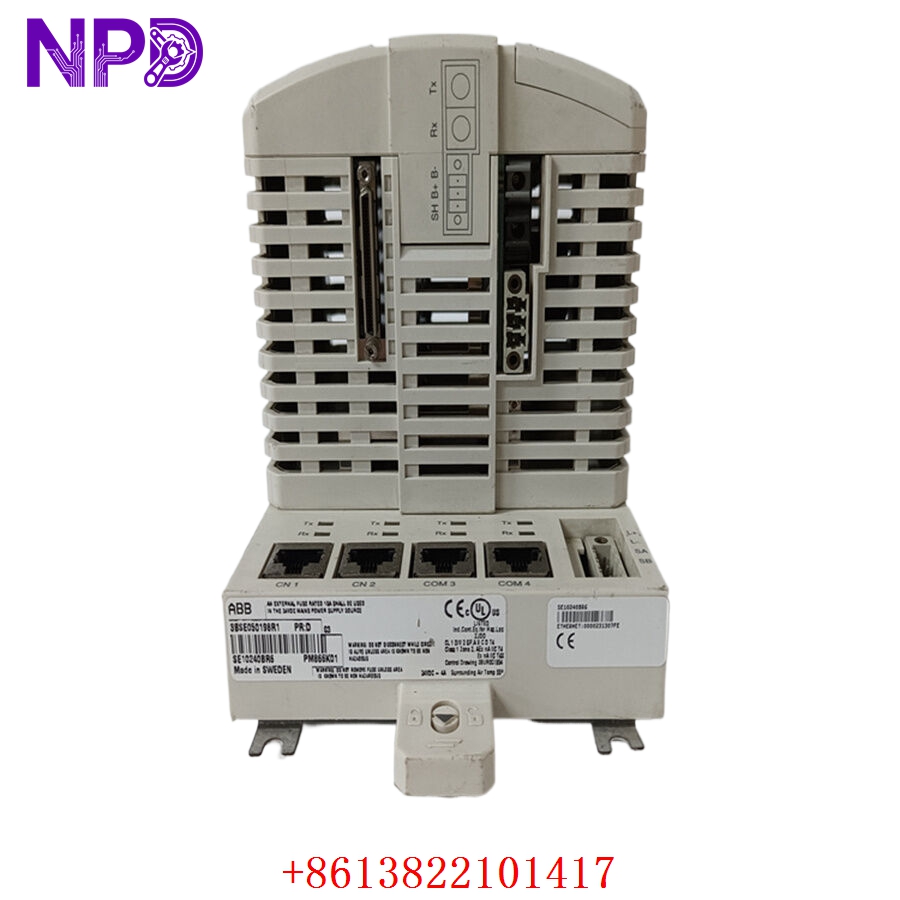

Description
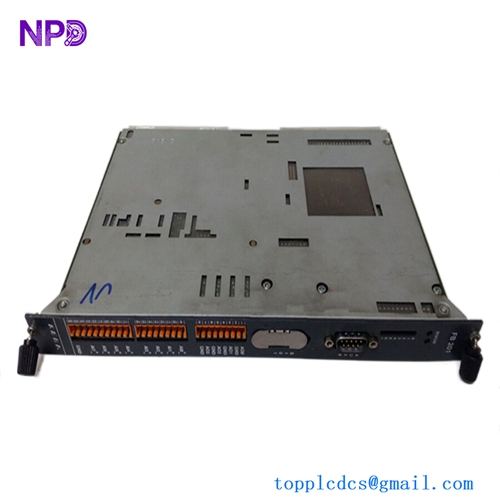
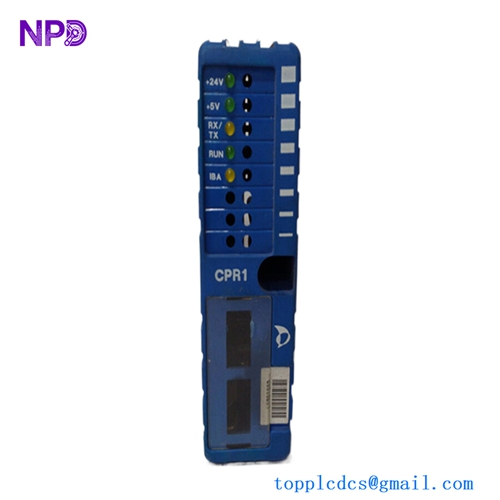
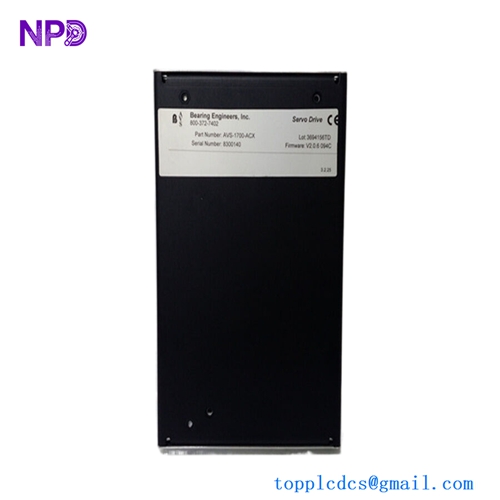
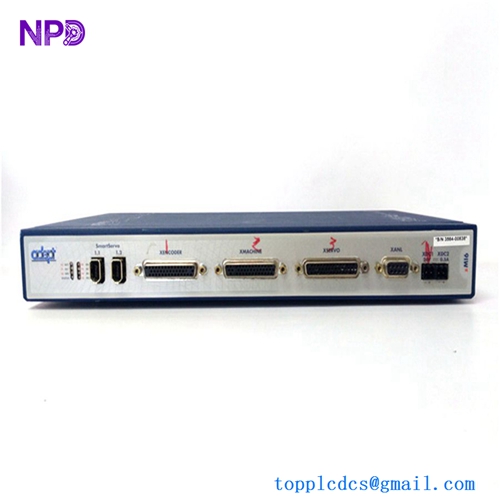
The KONGSBERG ESU (Engine Safety Unit, Part Number 8100275) is a high-integrity, safety-critical control module designed for maritime diesel engine protection. It acts as an autonomous or integrated monitoring unit that evaluates critical engine parameters (such as oil pressure, coolant temperature, and overspeed) to trigger automatic shutdowns or alarms, preventing catastrophic engine failure.
⚙️ Technical Specifications
- Dimensions: 260 mm x 190 mm x 95 mm
- Weight: 1.4 kg
- Country of Origin: Norway
- Supply Voltage: 24V DC (Redundant power inputs)
- Operating Temperature: -20°C to +70°C
- Housing: Reinforced metallic chassis with vibration-resistant mounting
- Safety Integrity: SIL-rated design for critical safety functions
🏗️ Application Areas
- Emergency Shutdown Systems (ESD)
- Marine Diesel Engine Protection
- Power Generation Plant Safety
- Overspeed Monitoring and Tripping
- Auxiliary System Interlock Logic

📖 Product Usage Instructions
The ESU 8100275 must be installed in a dedicated safety or engine control cabinet. Because it manages safety interlocks, all sensors must be connected according to the “fail-safe” principle, where a loss of signal (e.g., a broken wire) triggers a fault alarm. Ensure that redundant power supplies are connected to separate power sources to maintain functionality during a single-source power failure.
🌐 Communication Configuration Steps
- IP Address: For network-enabled versions, access the module via the Kongsberg safety configuration tool to assign a static IP.
- Station Number: Set the unique node ID via the onboard configuration interface or rotary switches, ensuring it corresponds to the safety bus map.
- Baud Rate: Configure the communication bus (often a dedicated safety-bus protocol) to the required rate to ensure sub-millisecond response times for safety trips.
⚡ Power-Up Debugging Flow
- Verify redundant 24V DC inputs at the terminal blocks.
- Ensure the “Emergency Stop” manual override is properly closed/reset.
- Power on the unit and observe the “System Healthy” and “Watchdog” LEDs.
- If a “Safety Fault” LED is lit, check the diagnostic buffer to identify which sensor or input is triggering the safety latch.
- Once “Ready,” verify that the output relays (for fuel shutdown/alarm) are in their energized, normal state.
✅ Initial Run Checklist
- Perform a “Safety Trip Test” (e.g., simulate an overspeed or low oil pressure) to verify the ESU executes the shutdown sequence correctly.
- Verify that the alarm signal is received by the central bridge and engine room consoles.
- Check the grounding integrity—poor grounding is the most common cause of “nuisance trips” in safety units.
- Document the software checksum/version to ensure it matches the vessel’s safety certification documentation.
- Inspect all terminal connections for vibration-induced loosening.
❓ Frequently Asked Questions (Q&A)
Q: Can I bypass the ESU during maintenance? A: Bypassing an ESU is dangerous. If maintenance requires a bypass, ensure it is done using the officially approved “Maintenance/Test Mode” and that a watch-keeper is physically present at the engine control console.
Q: What does the “Watchdog” LED indicate? A: A blinking Watchdog LED indicates the internal processor is running but the safety logic is not being refreshed. If it stays solid, it indicates a critical system fault; the unit should be considered in a “failed” state and the engine inspected immediately.
Q: Is the ESU 8100275 compliant with classification society rules? A: Yes, this unit is designed to meet international maritime class requirements for engine protection systems. Always ensure the firmware version is the latest approved version by your classification surveyor.
Q: How do I reset a safety trip? A: Once the cause of the trip is identified and rectified, the ESU can typically be reset via the front-panel “Reset” button or through a commanded signal from the remote control system.