
Description
🌐 Product Overview
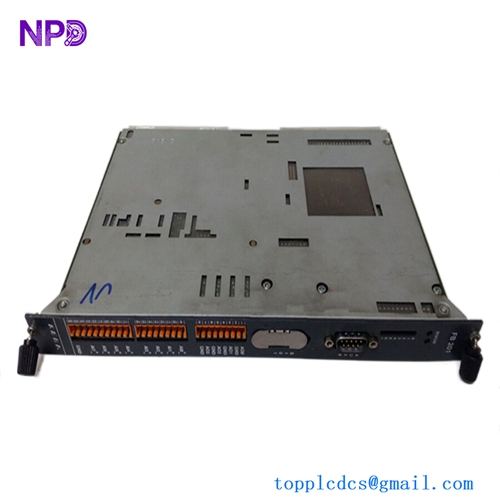
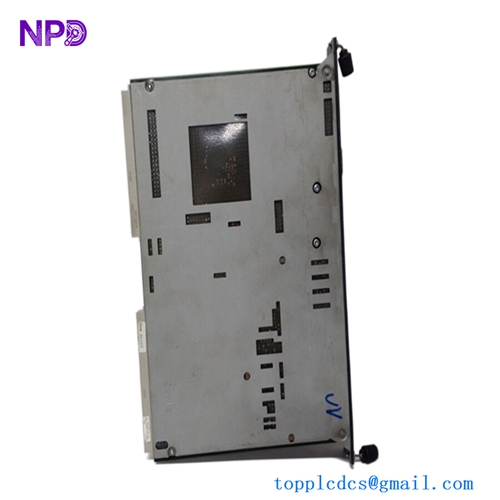
The Kongsberg GLR-92A is a high-precision, marine-certified interface and signal processing board designed for the Kongsberg GL-90 and GLR-100 series radar tank level gauging systems. Operating as a critical data acquisition link, this card interfaces directly with the radar antenna units mounted on top of cargo, ballast, or service tanks. It processes high-frequency radar return echoes, converts complex analog wave data into digital level metrics, and transmits precise tank volume and level telemetry to the ship’s centralized cargo control system.

⚙️ Technical Specifications
- Series: GLR Radar Level Gauging Component Architecture
- Dimensions: 233mm x 160mm x 22mm (Standard Eurocard Form Factor)
- Weight: 0.48 kg
- Origin: Norway
- Signal Compatibility: Interfacing directly with high-frequency microwave radar level transmitters
- Data Transmission: High-speed internal bus links and isolated serial outputs (RS-485 / Modbus protocol)
- Operating Voltage: 24V DC nominal (Supplied directly from the rack system backplane)
- Isolation Rating: Integrated galvanic isolation to prevent field surge propagation
🚀 Application Fields
- Liquid Cargo Tank Gauging: High-accuracy level tracking inside crude oil, chemical, and product tankers.
- Liquefied Gas Carriers: Interfacing with radar units monitoring cryogenic liquids on LNG and LPG vessels.
- Ballast and Service Tanks: Distributed level measurement across water ballast, fuel oil, and lube oil storage tanks.
- Offshore Platforms: Tank monitoring installations on Floating Production Storage and Offloading (FPSO) vessels.
📖 Product Instructions
- Rack Installation: Power down the central radar processing chassis. Align the GLR-92A board with the card guide rails of its designated slot. Push the board firmly inward until the multi-pin DIN backplane connector seats completely, then tighten the front panel retaining screws.
- Field Antenna Cabling: Connect the shielded coaxial or specialized signal cable coming from the tank radar antenna to the designated inputs, ensuring that the cable shields are grounded at the cabinet entry point.
- Address Identification: Adjust the onboard DIP switches or rotary dials to assign the correct hardware address matching the tank layout configuration in your system software topology.
✅ Initial Startup Checklist
- Verify that the rack power distribution unit is off before inserting or extracting the board.
- Confirm that all external field lines are free from short circuits and that the radar antenna is correctly mounted.
- Energize the system and verify that the front panel green “RUN” or “OK” LED illuminates steady, confirming successful firmware boot-up.
- Access the cargo control workstation to verify that the corresponding tank level reads accurately and that no microwave transceiver timeout faults are present.
🛠️ Maintenance & Care
- Backplane Pin Cleaning: Periodically extract the card during scheduled dry-dock periods to inspect the gold-plated backplane pins for signs of salt-crust accumulation or surface oxidation. Clean with specialized electronic contact cleaner if necessary.
- Hardware Retightening: Check the front panel retaining screws every six months to counteract loosening caused by continuous hull and mechanical machinery vibrations.
- Calibration Verification: Verify measurement loop accuracy annually by cross-referencing radar readings with manual sounding tapes to ensure processing circuits haven’t drifted.
⚠️ Safety Precautions
- Intrinsically Safe Boundaries: Radar level systems operating in hazardous cargo areas rely on specific safety parameters. Never bypass the galvanic isolation circuits or alter onboard components, as this can compromise the explosive-area safety rating.
- Strict Power Off Compliance: Never plug, unplug, or alter configuration jumpers on the GLR-92A card while the rack backplane is energized to avoid data corruption or component shorts.
- Electrostatic Discharge Risk: Always utilize a grounded ESD wrist strap and an anti-static work mat when handling the board to prevent permanent latent damage to the sensitive signal processing microchips.
🔍 Troubleshooting & FAQ
- Q: The cargo system workstation registers an “Antenna Echo Loss” or unstable data alarm for this tank.
- A: This can indicate an issue with the field sensor or the signal processing circuitry on the GLR-92A. Check for heavy sludge or condensation buildup on the antenna surface inside the tank, inspect the cable connections, or swap the board with a known working slot to isolate the fault.
- Q: The board power LED is completely dark, but adjacent cards in the rack are functioning normally.
- A: Inspect the onboard surface-mount micro-fuses located near the backplane power input pins. A blown fuse usually points to an external short circuit in the field cabling or a voltage surge on the sensor line.
- Q: Is a unique firmware flash required when replacing a GLR-92A board?
- A: The underlying signal processing firmware is standard across the series. The card reads its specific channel configurations and tank parameters from the master controller rack or physical onboard address switches. Ensure that the replacement board matches the physical hardware revision version of the original unit.