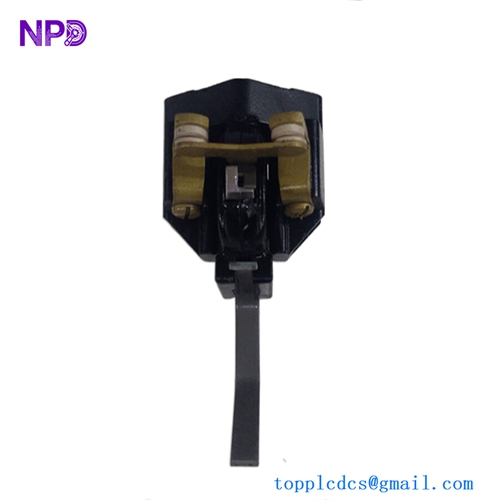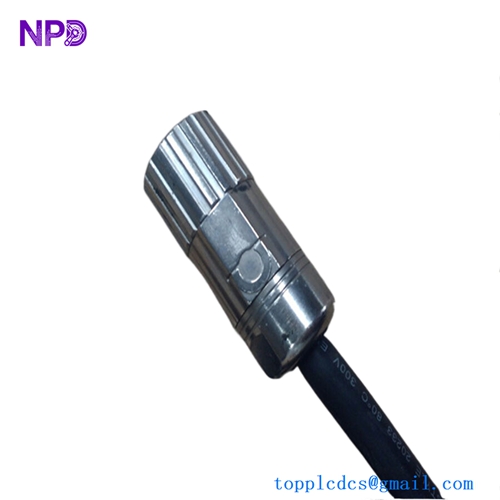

Description
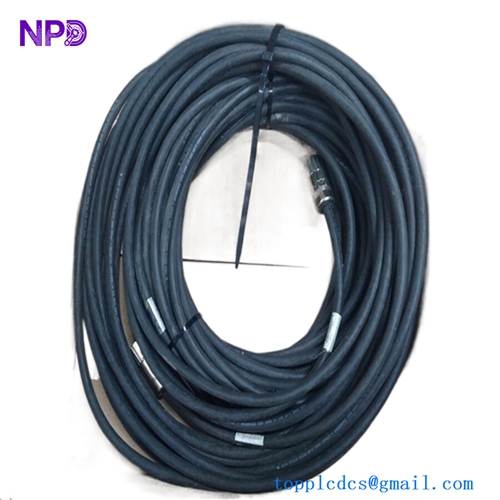
The KUKA 00‑108‑947 is a dedicated robot cable assembly designed for KUKA systems that use the RDC2 (Robot Data Collector 2) interface, typically with KRC2‑generation controllers. It is a factory‑made, shielded cable harness used to link the robot controller to the robot’s RDC2 module, carrying encoder, position, and status signals reliably over a fixed distance.
Product description and parameters
- Product type: Robot data/motor cable for KUKA industrial robots (RDC2 interface).
- Function: Transmits feedback and control signals between the robot controller and the robot base, including encoder and position data.
- Length: 15 m (fixed length from factory, suitable for standard cell layouts and medium robot‑to‑cabinet distances).
- Construction:
- Multi‑core cable with twisted, shielded pairs for signal integrity.
- Outer jacket suitable for industrial environments (abrasion‑resistant, oil‑resistant, and flexible enough for routing in cable trays and robot bases).
- Molded or factory‑installed connectors on both ends, keyed for the RDC2 port and controller interface.
- Compatibility:
- Used with KUKA KRC2 controllers and robots equipped with RDC2 modules.
- The part number 00‑108‑947 ensures mechanical and electrical compatibility with the matching KUKA hardware.
Electrically, this cable is designed to preserve signal quality over 15 m, with shielding against electromagnetic interference from drives, welders, and other heavy industrial loads.
KUKA 00-108-947
Datasheet‑style overview
A typical datasheet entry for 00‑108‑947 would include:
- Electrical:
- Rated voltage for signal circuits (low‑voltage signal level, often in the 24 V / encoder‑level range).
- Insulation resistance and dielectric strength between conductors and shield.
- Mechanical:
- Exact cable diameter.
- Minimum bending radius (fixed and flexed installation).
- Outer sheath material (e.g. PVC or PUR) and color (often standard KUKA color).
- Environmental:
- Operating temperature range (for example, suitable for standard shop‑floor conditions).
- Resistance to oils, coolants, and industrial contaminants.
- Connectors:
- Connector types and pin assignments at each end (controller side and robot side), keyed to avoid mis‑plugging.
The key point is that it is a KUKA original cable, with correct pinout and shielding, which avoids communication errors and intermittent encoder faults that can occur with non‑original or improvised harnesses.
Origin
00‑108‑947 is an original KUKA spare part. KUKA is a German robotics manufacturer, so the design and specification originate from KUKA’s engineering; actual cable assembly may be produced in KUKA’s or approved contract manufacturing facilities, but it is sold as a genuine KUKA robot cable for use with their systems.
Application fields
This cable is used wherever a KUKA robot with an RDC2 module is installed, for example:
- Automotive welding and handling cells, linking the robot arm to the controller cabinet.
- General industrial automation cells using KUKA KRC2‑based robots.
- Retrofit or maintenance replacements when the original RDC2 cable is damaged, too short, or degraded.
Because it is a feedback and data cable, it is critical for robot position feedback; damaged or low‑quality cables can cause encoder errors, mastering loss, or intermittent faults.
Basic usage instructions
- Planning and routing
- Plan the route between robot base and controller cabinet before installation, ensuring that 15 m is sufficient with some slack for service loops.
- Avoid tight bends; respect the minimum bending radius specified for the cable.
- Route the cable away from high‑power motor leads and welding cables wherever possible to reduce EMI.
- Mechanical installation
- Power down and lock out the robot controller before handling any internal cables.
- Disconnect the old RDC2 cable (if replacing), noting connector orientation and strain relief points.
- Route the new 00‑108‑947 along the intended path, using existing cable ducts, trays, and clamps.
- Secure the cable with appropriate clamps or ties, leaving a small service loop at each end to avoid tension on connectors.
- Electrical connection
- Plug the robot‑side connector into the RDC2 interface at the robot base, ensuring the connector is fully seated and the locking mechanism engaged.
- Plug the controller‑side connector into the designated RDC2 / feedback port inside or on the rear of the KRC2 controller, following the KUKA wiring diagram.
- Confirm that shields are properly terminated through the connectors or designated ground points, as designed by KUKA.
- Commissioning
- After installation, restore power to the controller.
- Check for any immediate error messages related to RDC or encoder communication.
- Perform robot mastering or position checks as required by your KUKA controller version to confirm that all axes report correct positions and move smoothly.
- Run test programs at low speed to verify that there are no intermittent communication faults during motion.
- Maintenance
- Periodically visually inspect the cable along its run for signs of crushing, cuts, or jacket damage.
- Ensure all clamps remain tight and there is no excessive movement or rubbing at sharp edges.
- If repeat encoder/RDC faults appear, check connectors for contamination, loose locking rings, or bent pins, and verify cable integrity.
Recommended related KUKA products (same brand)
If you are working with KUKA robots and this cable, other commonly used related KUKA parts include:
- Other RDC cables of different lengths
For installations requiring shorter or longer distances between robot and controller, KUKA offers RDC2 cables in various lengths with similar construction and connectors. - KUKA KRC2/KRC4 controller spare cables and motor/power cables
Matching motor power cables and internal controller harnesses ensure consistent performance and simplify maintenance. - KUKA teach pendants (KCP)
Original KUKA control panels used to program and operate the robot; essential companion hardware for any KUKA robot system. - KUKA internal feedback or motor cables for specific robot models
For repairs within the robot arm itself (axis‑to‑axis wiring), KUKA provides model‑specific internal wiring harnesses.
All of these are intended to maintain the reliability and accuracy of KUKA robot systems by using parts that match the original electrical and mechanical specifications.