Description
- Model: M23001100C-V (Associated with the Land Instruments / AMETEK Land Cyclops or Spot series)
- Brand: AMETEK Land
- Series: Industrial Infrared Non-Contact Temperature Measurement
- Core Function: Precision infrared thermometry for high-temperature process monitoring, quality control, and safety interlocks in industrial heating environments.
- Product Type: Infrared Temperature Sensor / Pyrometer
- Key Specs: High-accuracy optical spectral response, adjustable focus for target distance, and ruggedized environmental housing.
- Supply Status: ⚠️ Obsolete/Legacy model; specialized industrial stock available.
- Warranty: 12 Months (From date of shipment)
- Ship From: Shenzhen, China (Domestic: 2-3 days; International: 5-7 days via DHL/FedEx)
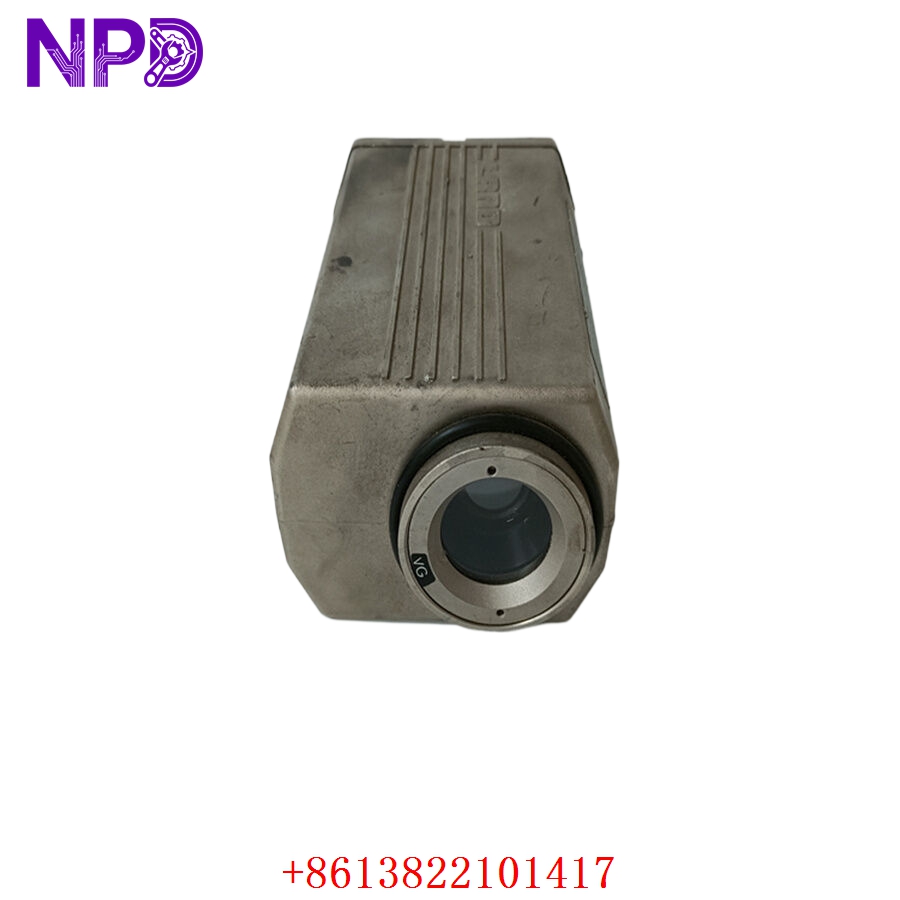
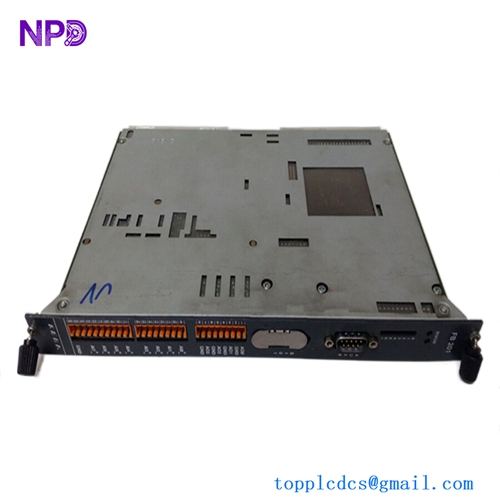
LAND M23001100C-V
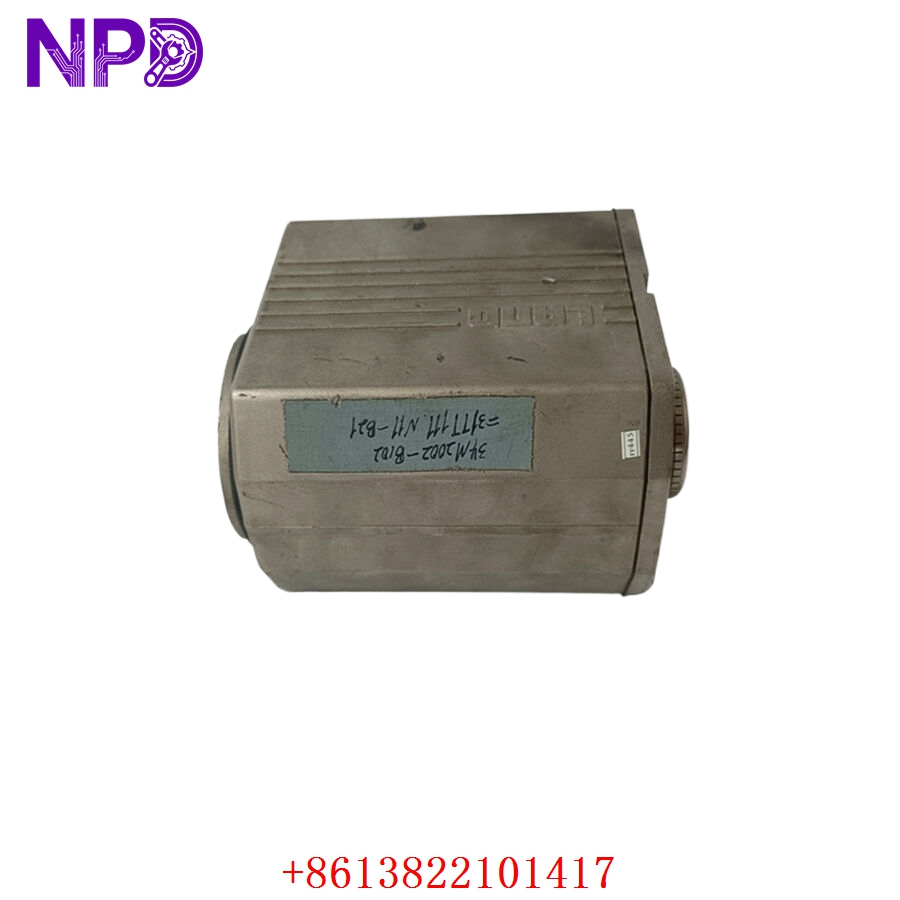
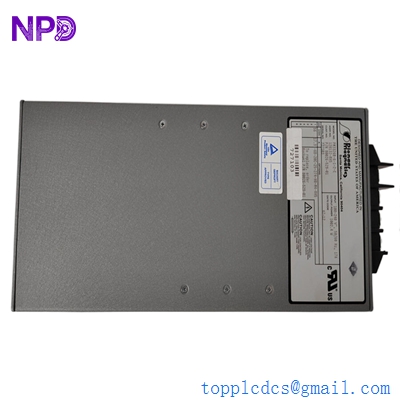
LAND M23001100C-V
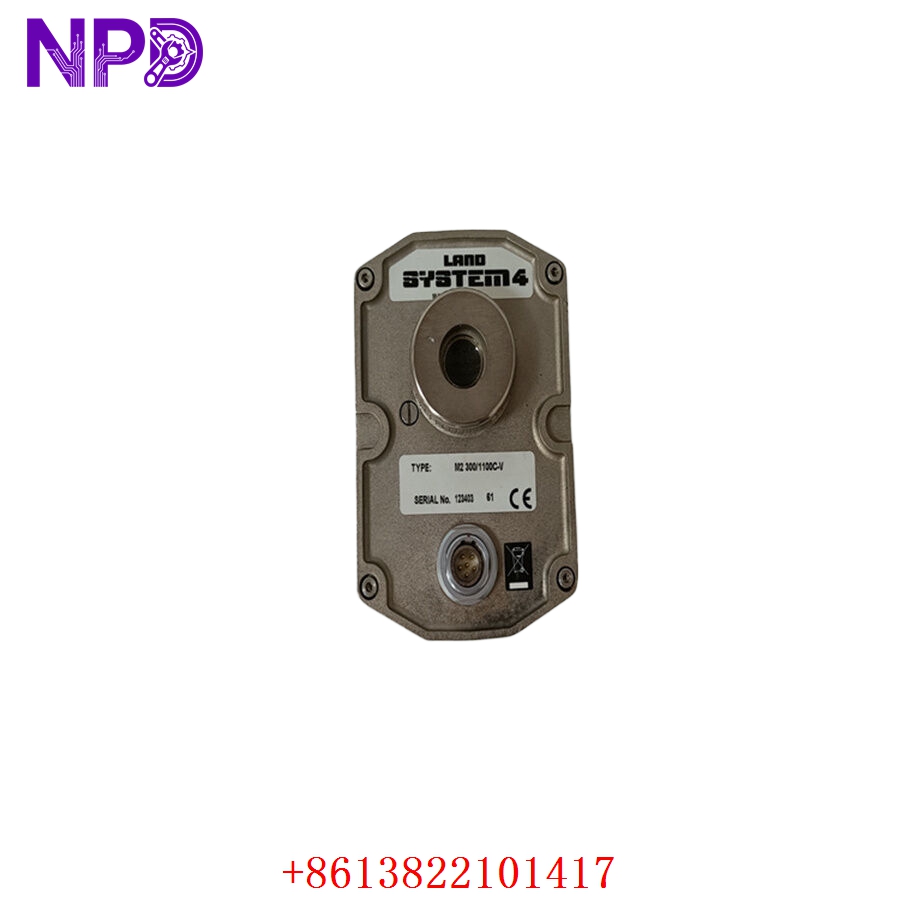
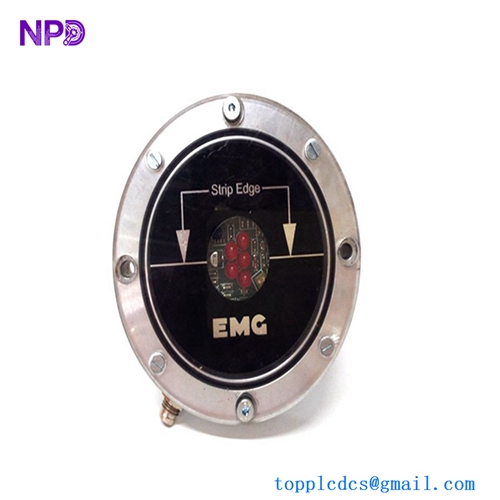
LAND M23001100C-V
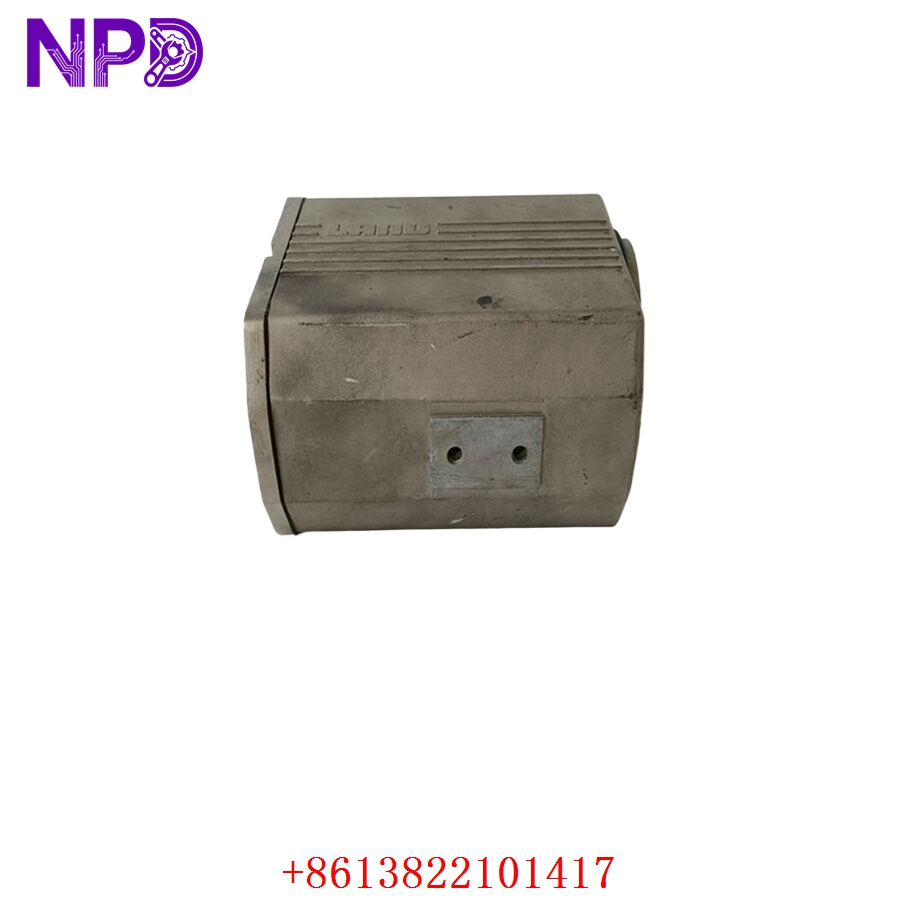
LAND M23001100C-V
Technical Overview
The LAND M23001100C-V is an industrial-grade non-contact temperature sensor designed to convert infrared radiation emitted by a surface into a standard industrial signal.
- Operating Principle: Measures the radiant energy from a target surface within a specific spectral range to determine temperature without physical contact.
- Optical Alignment: Typically features an adjustable focus or sighting mechanism to pinpoint small targets at specific working distances.
- Output Signals: Provides standardized industrial outputs (e.g., 4 to 20 mA or digital communication protocols) for direct integration into PLC or DCS monitoring loops.
- Environmental Resilience: Housed in a NEMA/IP-rated enclosure designed to withstand high ambient temperatures, dust, and potential water spray common in steel mills, glass plants, or kiln environments.
Engineering & Application Context
The On-Site Reality
Temperature monitoring in high-heat processes is essential for both product quality and equipment longevity. The M23001100C-V is often positioned at the “critical” points of a furnace, strip mill, or casting line. If the sensor drifts or fails, the temperature control loop may overheat the process, leading to damaged product or potential safety hazards. Since these sensors are frequently installed in difficult-to-reach locations, they must be highly reliable. When a legacy model like the M23001100C-V fails, replacing it with the exact part ensures that your established calibration tables and PLC scaling logic remain valid, avoiding time-consuming re-programming.
Typical Deployment Scenarios
- Steel & Metallurgy: Monitoring the surface temperature of billets, slabs, or coils moving through a rolling mill.
- Glass Manufacturing: Tracking glass melt and forming temperatures for process consistency.
- Refractory & Kiln Monitoring: Detecting “hot spots” on furnace walls that could indicate refractory material failure.
- Cement Production: Measuring temperature profiles in rotary kiln lines.
Troubleshooting Quick Reference
❗ SAFETY FIRST: Always ensure that appropriate protective eyewear and heat-shielding equipment are used when inspecting sensors installed on live, high-temperature equipment.
- Signal Drift: If the reading appears inconsistent or “drifts” over time, first check the Optical Window (Lens). Industrial dust, grease, or condensation on the lens is the most common cause of temperature errors. Clean the lens gently using industry-approved optical cleaning tissues.
- Output Errors: If the signal is at a constant “Low” or “High” range limit, verify the power supply input (24 V DC typical). Check for “Ground Loop” issues, which are common in sensors mounted on large, grounded furnace structures.
- Lens Protection: If the site is extremely dusty, ensure the “Air Purge” collar is functioning. If the purge air pressure drops, the lens will quickly cloud over, leading to erroneous temperature readings.
Procurement & Installation Advice
- Calibration Verification: When installing a replacement M23001100C-V, it is recommended to verify its output against a handheld infrared thermometer or a reference thermocouple to ensure the emissivity settings in your PLC/DCS match the new unit’s performance.
- Mounting Alignment: Ensure the sensor is mounted to look directly at the process target without obstruction. Even a partial obstruction (like a steel rod or cooling mist) will cause a massive drop in the measured temperature.
- Cable Integrity: High-temperature environments can degrade cable insulation over time. During replacement, inspect the cable run to ensure it is not touching heat-radiating surfaces.