
Description
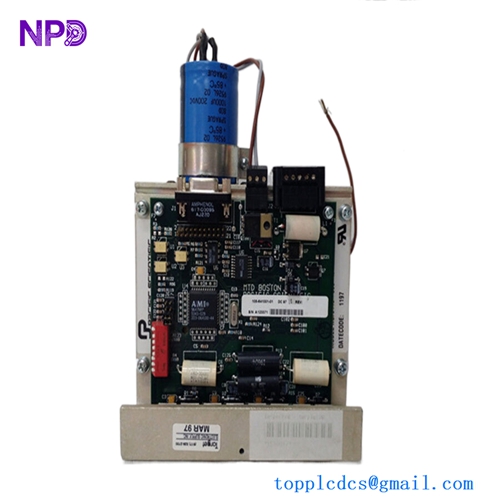
The LIPS B.V. Drunen PCM II (Revision 2) is a specialized Printed Circuit Board (PCB) control module manufactured in the Netherlands. It serves as a vital component in marine automation, primarily utilized for the management and precise control of ship propulsion systems, including bow thrusters and maneuvering thrusters.

Product Overview
- Manufacturer: LIPS B.V. (Drunen, Netherlands)
- Model: PCM II (Propulsion Control Module)
- Revision: 2
- Component Type: PCB Control Card
- Primary Application: Marine propulsion, maneuvering logic, and thruster control interface.
- Form Factor: Industrial modular rack-mounted assembly.
Technical Characteristics
- Functionality: The module acts as the logic interface between the bridge control lever (or DP system) and the thruster hydraulic or electric motor controllers. It processes control signals to execute smooth changes in pitch, speed, or direction.
- Revision Specifics: The “Rev. 2” designation is critical, as it indicates specific hardware iterations regarding component layout and signal processing logic compared to earlier versions.
- Signal Handling: Designed to process analog feedback from sensors (such as pitch feedback potentiometers) and output digital/analog control signals to the actuator drive electronics.
Installation and Compatibility Considerations
- System Integration: Because the PCM II is part of a complex feedback loop, replacing this card usually requires a re-calibration of the thruster pitch or speed response curves to match the ship’s specific mechanical characteristics.
- Hardware Verification: Before installing, verify that the serial and part numbers on your existing board align with the Rev. 2 specifications. Incompatible revisions can lead to erratic thruster behavior or failure of the “Control Transfer” logic between the bridge and the engine room.
- Legacy Maintenance: Given that these components are for legacy propulsion systems, ensure that the electrolytic capacitors and solder joints are inspected for degradation before placing the unit into mission-critical operation.
Caution: This module controls heavy-duty mechanical equipment. Unauthorized modifications or improper installation can cause severe damage to the ship’s propulsion gear. Always perform final testing in “manual/emergency” mode before transitioning to full automated bridge control.