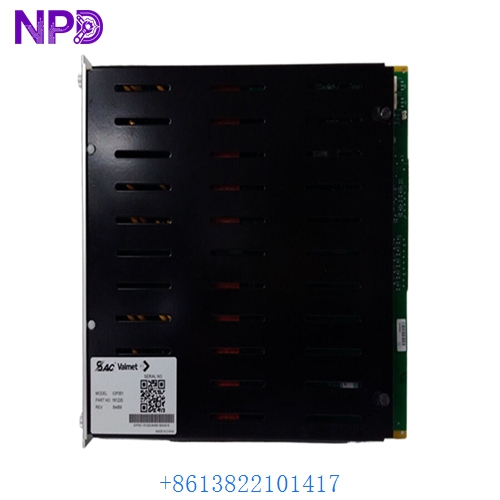

Description
- Model: METSO IOP351
- Brand: Metso (now Valmet)
- Series: Metso DNA / ACN (Advanced Control Network)
- Core Function: Input/Output Signal Processing and Bus Communication
- Product Type: I/O Processor Module
- Key Specs: Redundant Link Support High-speed Backplane Interface Real-time OS
- Processor Type: Embedded high-performance RISC controller
- Communication Protocol: Proprietary Metso DNA I/O Bus / ACN Link
- Input Voltage: 24 V DC (from the I/O rack backplane)
- Redundancy: Supports 1-to-1 redundancy configurations for high-availability loops
- Diagnostics: Multi-LED front panel for ‘Run’, ‘Error’, ‘Service’, and ‘I/O Status’
- Scan Time: Sub-millisecond internal processing for rapid signal updates
- Isolation: Galvanic isolation between the I/O bus and the control network
- Operating Temp: 0°C to +55°C (32°F to 131°F)
- Configuration: Managed via Metso DNA engineering tools
- Form Factor: Compact plug-in module for Metso I/O subracks
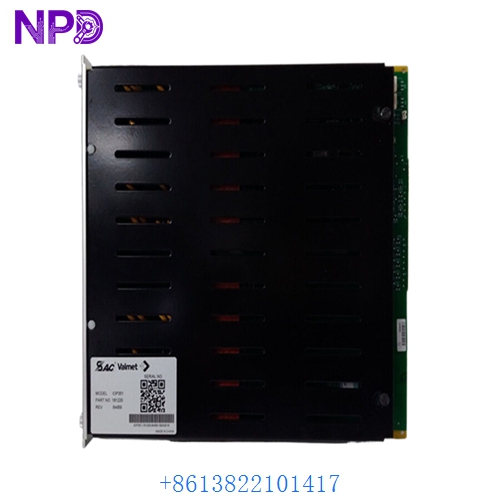
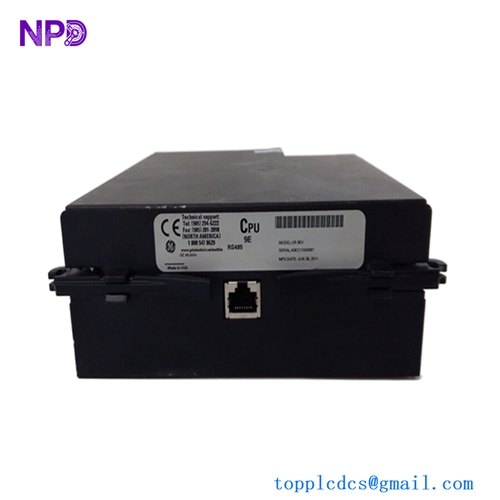
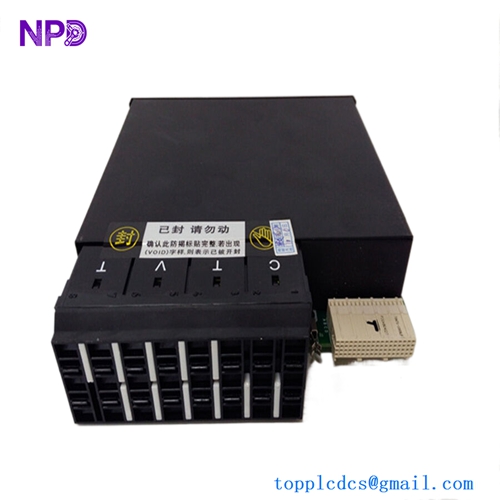
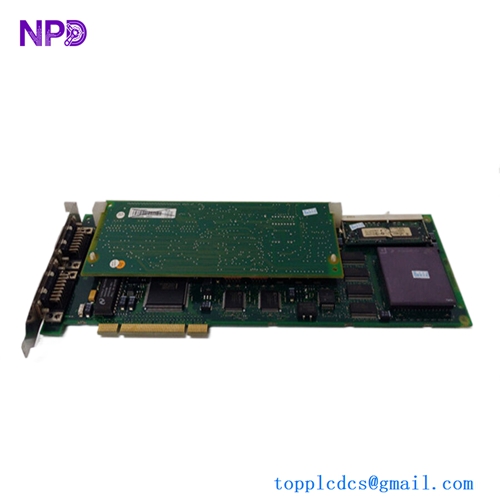
METSO VALMET IOP351
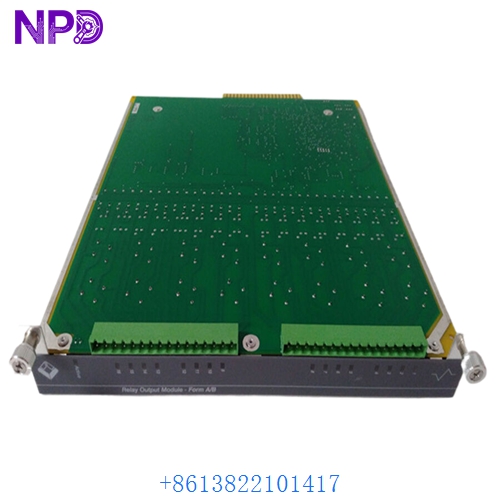
METSO VALMET IOP351
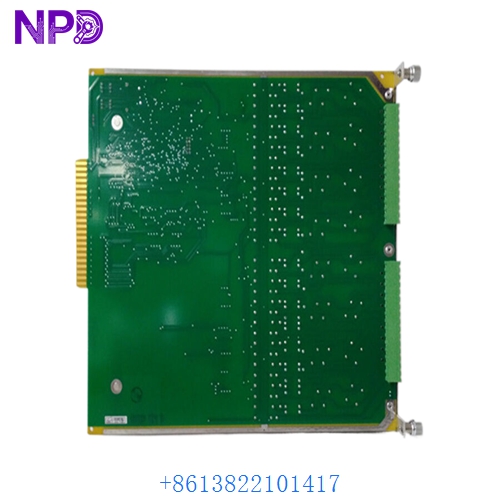
METSO VALMET IOP351
Application Scenarios & Pain Points
In a paper machine control system, the IOP351 is responsible for gathering data from hundreds of pressure, flow, and temperature transmitters. The primary pain point I see is “Bus Communication Timeouts.” As these modules age, the internal communication chips or the backplane connectors can develop intermittent faults, leading to “I/O Disconnected” alarms on the operator’s HMI. In a continuous process like paper making, a 5-second loss of I/O can result in a “Web Break,” costing the mill hours of cleanup and thousands in lost revenue.
Typical Application Scenarios:
- Pulp & Paper – Wet End Control Managing the high-speed I/O required for consistency control and headbox pressure regulation.
- Power Generation – Boiler Control Interfacing critical burner management and drum level signals to the ACN controllers.
- Chemical Processing – Batch Management Coordinating complex valve sequences where synchronized I/O timing is vital for product quality.
Case Study: The “Intermittent I/O Dropout” in a Pulp Mill
Background: A mill in Scandinavia was experiencing random “I/O Rack Failure” alarms on their Metso DNA system. The alarms would clear themselves after a few seconds, but the process was becoming unstable.
The Problem: We traced the issue to an aging IOP351. The module’s internal voltage regulator was fluctuating as the rack temperature shifted, causing the processor to reboot intermittently. Because it was a redundant rack, the system survived, but the constant switching was creating data gaps.
The Solution: We provided a “New Surplus” IOP351. Before shipping, we verified the module firmware matched the client’s existing ACN version to ensure a “Plug-and-Play” replacement.
The Result: – Operational Impact: The random rack failures ceased immediately after the swap.
- Outcome: The mill maintained its 98% uptime target for the quarter.
- Client Feedback: “The module was an exact hardware match, and the diagnostic LEDs confirmed a healthy sync right away.”
Compatible Replacement Models
| Original Model | Replacement Model | Compatibility | Main Difference | Integration Effort |
|---|---|---|---|---|
| IOP351 | IOP351B | ✅ Direct Replace | Updated component library | Drop-in; zero config |
| IOP351 | IOP311 | ⚠️ Limited | Lower density / Older rev | Check I/O bus capacity |
| IOP351 | ACN RTU | ❌ Incompatible | Next-gen Metso hardware | Requires system migration |
Troubleshooting Quick Reference
| Symptom | Likely Cause | Board Related? | Quick Check | Action |
|---|---|---|---|---|
| ‘ERR’ LED Red | Internal Hardware Fault | ✅ High | Observe the blink pattern on the LEDs. | Replace the module. |
| ‘SERVICE’ LED On | Firmware Mismatch | ⚠️ Medium | Check the software version in the DNA tools. | Flash firmware to match the ACN controller. |
| I/O Bus Alarms | Backplane Connection | ⚠️ Medium | Inspect the pins on the backplane connector. | Clean pins with contact cleaner/eraser. |
| All LEDs Dark | Power Supply Failure | ❌ Low | Measure 24V DC at the subrack power pins. | Check the rack power module (RPM). |
Integrator’s “Field Tips”:
- The “Blink Code” Secret: Metso DNA modules often use specific blink patterns on the ‘ERR’ and ‘RUN’ LEDs to signal specific internal faults. Document the pattern before you pull the module; it helps us diagnose if the issue was a hardware failure or a software conflict.
- Firmware Matching: If you are running a redundant pair of IOP351 modules, they must have the same firmware revision. If they don’t, the redundancy handshake will fail, and you’ll be left with a single point of failure.
- Backplane Hygiene: When swapping these modules, check for dust or oxidation on the backplane. I’ve seen many “faulty” IOP cards that just needed a fresh, clean connection to the rack.