Description
- Model: 81001-450-53-R
- Brand: Mitsubishi Electric
- Series: Specialized Industrial Control / Power Electronics
- Core Function: Power Supply / Voltage Regulation Board
- Product Type: Printed Circuit Board (PCB) Assembly
- Key Specs: Multi-rail output, high-density filtering, specialized for heavy industrial drives or CNC systems.
- Input Voltage: Typically 200–240 V AC (Standard Mitsubishi industrial bus)
- Output Rails: Multi-tap DC outputs (Typically ±5V, ±12V, or 24V for logic and gate drive)
- Protection: Integrated overcurrent and surge protection circuits
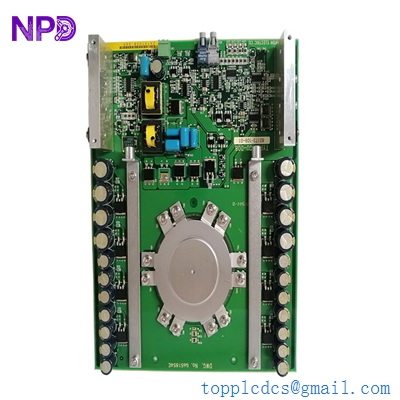
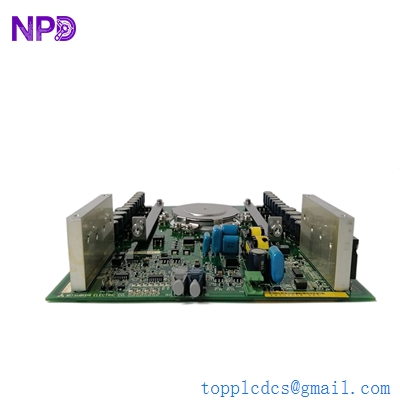
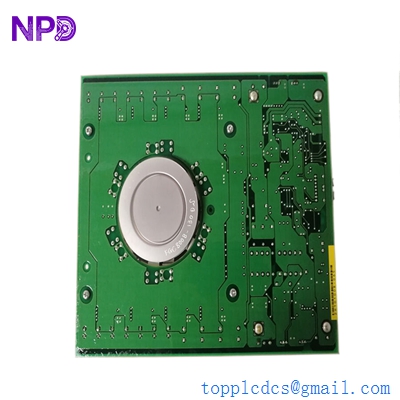
- Form Factor: Specialized rigid PCB with high-current trace architecture
- Connectors: Multi-pin header interface for control signal feedback and power delivery
- Coating: Industrial-grade conformal coating to resist oil mist and metallic dust
MITSUBISHI 81001-450-53-R
Application Scenarios & Pain Points
The 81001-450-53-R is a critical power management board often found deep within Mitsubishi’s high-power motor drives or specialized CNC control racks (like the MELDAS series). Its primary job is to take raw incoming power and clean it up into the surgical precision required by the microprocessors and gate drivers. The most common pain point is Heat Stress. Because this board handles significant current, the electrolytic capacitors and voltage regulators are under constant thermal load. After a decade of 24/7 operation, these components can drift, leading to “Intermittent Logic Errors” or “Undervoltage Faults” that shut down an entire production line.
1. CNC Machine Tools
Found in the control cabinets of high-end milling and turning centers, providing logic power to the main axis controllers.
2. Large Scale HVAC/Chiller Controls
Utilized in specialized Mitsubishi industrial climate control systems for power distribution to the monitoring sensors.
3. High-Power Variable Frequency Drives (VFD)
Acting as the “Internal Power Supply” (IPS) that feeds the cooling fans and firing circuits for the IGBT modules.
Case Study: The “Monday Morning” CNC Failure
Background: A high-precision mold shop was using a Mitsubishi-based CNC system. Every Monday morning, after the machines had been powered down for the weekend, the main controller would fail to boot, displaying a “System Watchdog Error.”
The Problem: The 81001-450-53-R board had several aging electrolytic capacitors. When the machine was warm, they held enough charge to function. After cooling down over the weekend, the ESR (Equivalent Series Resistance) increased so much that the 5V logic rail couldn’t stabilize fast enough during startup, causing the processor to crash.
The Solution: We supplied a refurbished 81001-450-53-R that had been fully re-capped and load-tested. Before shipping, we performed a “Cold Start” test at 10°C to ensure the voltage rails stabilized within the required 50ms window.
The Result: The CNC machine returned to perfect Monday morning startups.
- Avoided Loss: Prevented 2–3 hours of lost production every week, totaling roughly $25,000 in saved labor and machine time over a year.
- Takeaway: If your machine only fails when it’s “cold,” the power supply board (specifically the 81001-450 series) is your most likely culprit.
MITSUBISHI 81001-450-53-R
Compatible Replacement Models
| Original Model | Replacement Model | Compatibility | Key Differences | Workload |
| 81001-450-51 | 81001-450-53-R | ✅ Direct | 53-R is the updated, more robust revision | Plug & Play |
| 81001-450-52 | 81001-450-53-R | ✅ Direct | Minor component lifecycle improvements | Plug & Play |
| 81001-460 series | 81001-450-53-R | ❌ No | Different voltage rails and connector pins | Not possible |
Engineer’s Advice: The “R” in the part number often signifies a “Revised” or “RoHS” compliant version with better thermal characteristics. If you are currently running a “-51” or “-52” version, upgrading to the 81001-450-53-R is highly recommended for better long-term reliability in hot cabinets.
MITSUBISHI 81001-450-53-R
Troubleshooting Quick Reference
| Symptom | Possible Cause | 81001-450 Related? | Quick Check | Action |
| “Power” LED Off | Blown Fuse / No Input | ✅ High | Check input AC voltage at X1 | Replace board/fuse |
| Logic Error “E7” | Undervoltage on 5V Rail | ✅ High | Measure DC at test point TP1 | Replace board |
| Fan Failure Alarm | 24V Supply Failure | ✅ High | Check 24V output to the fan header | Replace board |
| Overheating Board | Dust/Clogged Heat Sink | ⚠️ Medium | Visual inspection for “brown” spots | Clean or replace |
Expert Maintenance Tips:
- Check for “Bulging” Caps: ❗ Visual Check! Before you even pull out a multimeter, look at the large cylindrical capacitors on the board. If the tops are bowed or leaking brown fluid, the board is toast. Replace it immediately before it shorts and kills the more expensive CPU.
- The Connector “Wiggle”: Mitsubishi boards often use friction-fit headers. Over time, vibration can cause “micro-arcing” on the pins. If you get intermittent faults, unplug the board and clean the gold pins with a pencil eraser or electronic contact cleaner.
- Mounting Standoffs: Ensure all mounting screws are tight. On these boards, several mounting holes also serve as the Logic Ground path. If the screws are loose, you will get “noisy” signals that cause phantom faults.