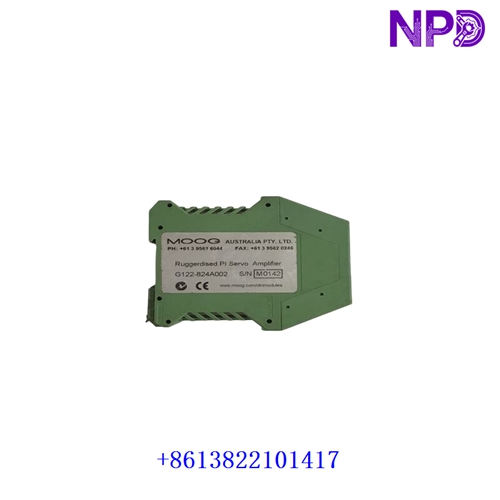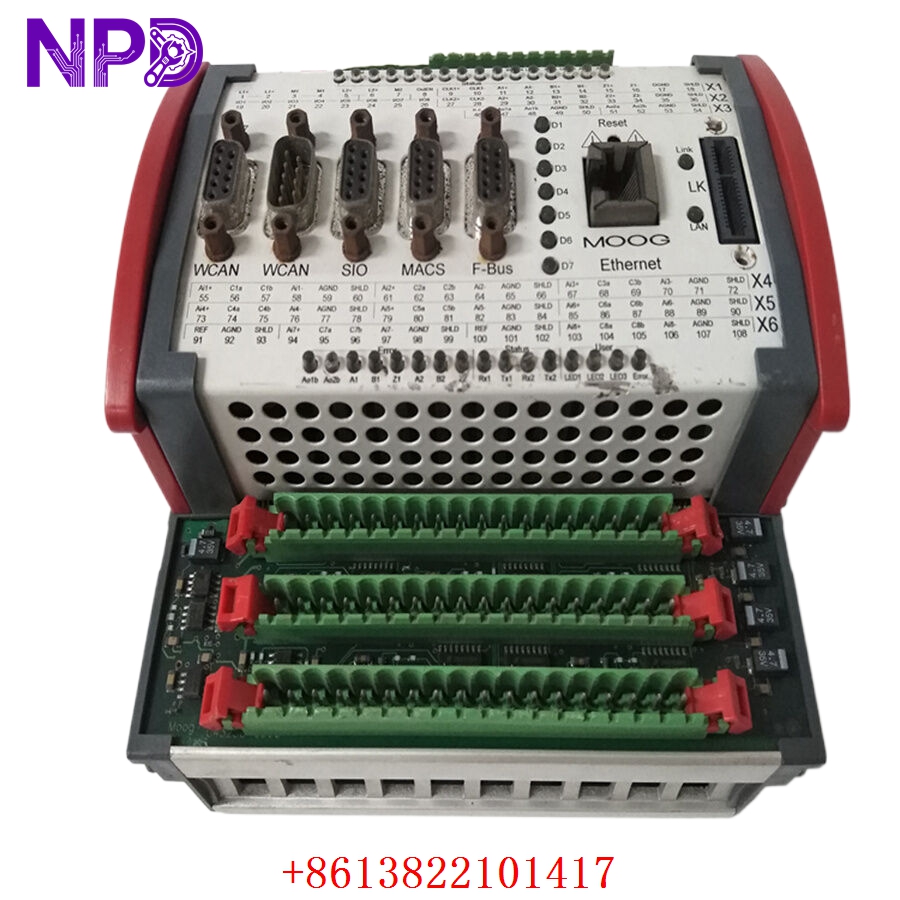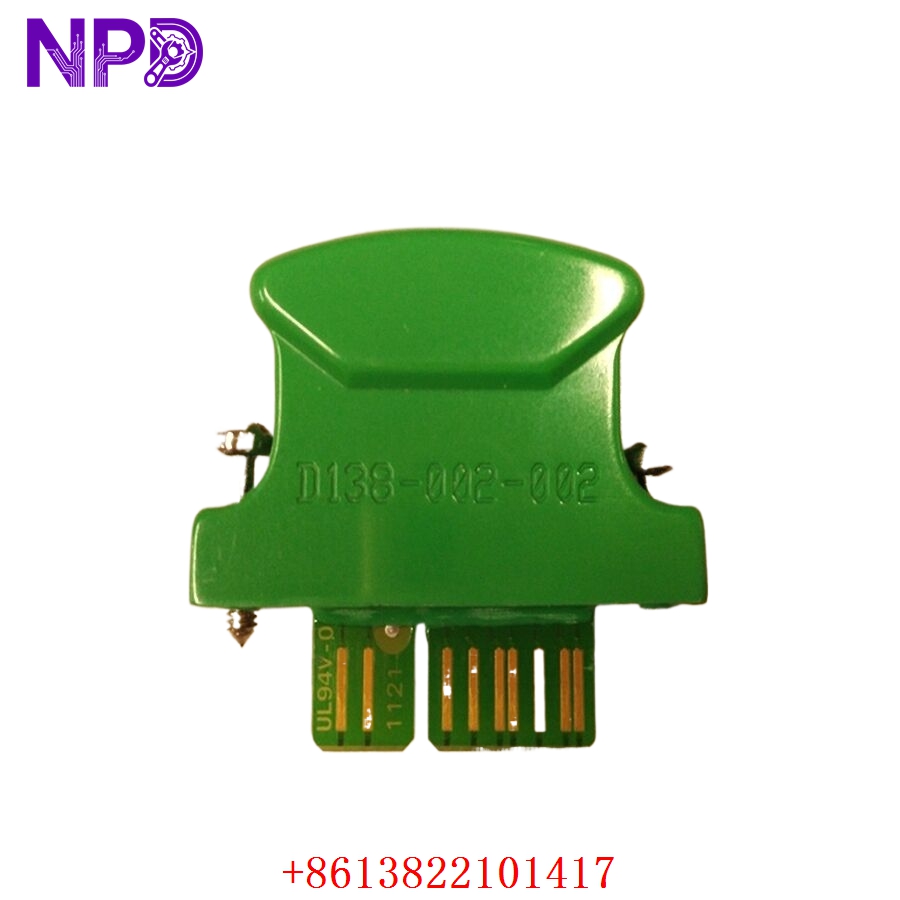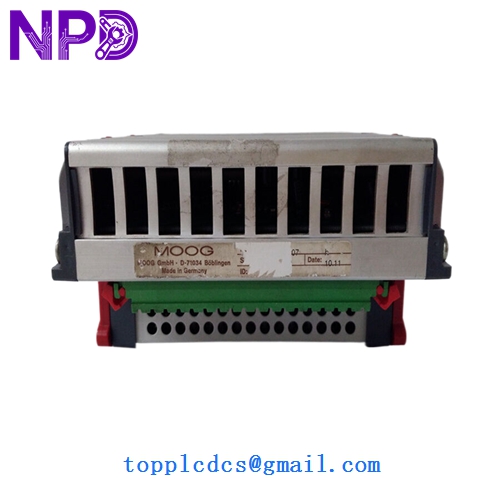

Description
- Model: D136-001-007
- Brand: Moog (USA/Germany)
- Series: D136 Series Digital Control Electronics
- Core Function: High-precision control of servo motors or digital servo valves.
- Product Type: Servo Drive / Digital Controller Card
- Key Specs: 24V DC Control Power | CANbus/Analog Interface | PID Control
- Operating Voltage: 18 to 32 V DC (24V DC Nominal)
- Interface: Configurable for Analog (±10V) or Fieldbus (CANopen/Profibus)
- Control Loop: Fully digital PID control for position, velocity, or pressure
- Feedback Support: Resolver, SSI, or Incremental Encoder
- Digital I/O: 4 to 8 Programmable Inputs/Outputs (depending on firmware)
- Output Stage: High-efficiency PWM drive for DC or AC brushless motors
- Protection: Overcurrent, Overvoltage, Overtemperature, and Short-Circuit protection
- Software: Compatible with Moog Configuration Software (MCS)
- Mounting: Rack-mount or Panel-mount (Series dependent)
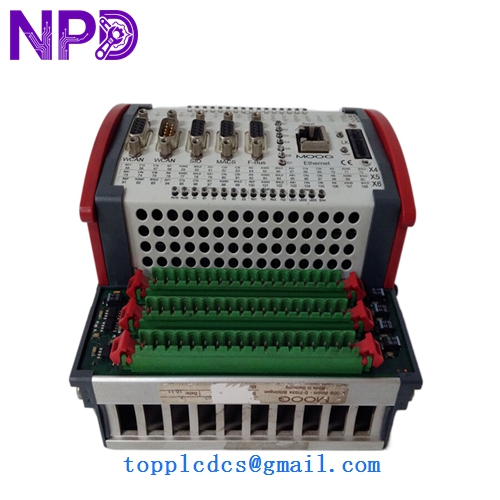
MOOG D136-001-007
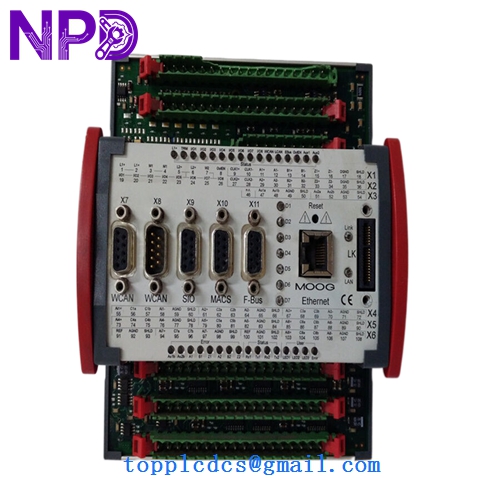
MOOG D136-001-007
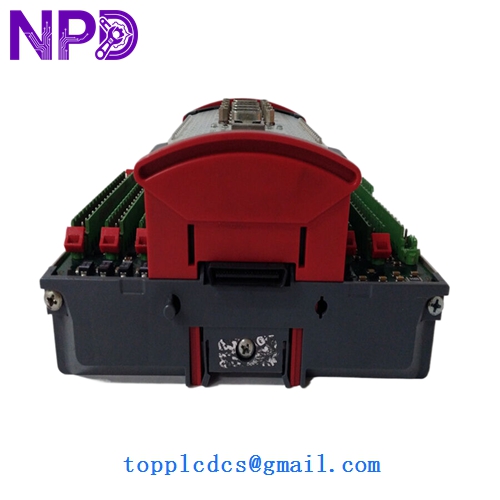
MOOG D136-001-007
Application Scenarios & Pain Points
The D136-001-007 is a specialized motion control module often found in aerospace, automotive testing, and high-end plastics machinery. Moog electronics are known for their “Extreme Dynamic” response—the ability to move a massive hydraulic or electric actuator with sub-millimeter precision in milliseconds. If the D136-001-007 fails, your precision control loop breaks, leading to “hunting” (unstable oscillation), loss of position accuracy, or a total system interlock.
Typical Application Scenarios:
- Flight Simulation & Testing Managing the high-frequency response of hydraulic actuators in motion base platforms for pilot training.
- Automotive Test Rigs Controlling 4-poster shakers or durability test benches where the drive must precisely replicate real-world road vibration data.
- Injection Molding Machines Controlling the injection speed and pressure profile to ensure consistent part quality in high-precision plastic molding.
Engineering Case Study: The “Hunting” Actuator
Background: A manufacturer of high-end composite components reported that their primary press was “vibrating” during the final cure stage. The press wouldn’t hold a steady pressure.
The Problem: The D136-001-007 controller was functioning, but its internal analog-to-digital converter (ADC) had developed a high-frequency noise floor. This “noise” was being interpreted by the PID loop as actual motion, causing the servo valve to oscillate at 50Hz.
The Solution: We provided a replacement D136-001-007. Since Moog controllers store complex PID tuning parameters, we advised the customer to use the Moog Configuration Software to upload the original parameter set (.par file) to the new module.
Result: The “hunting” stopped immediately. The press returned to its ±0.1% pressure tolerance, saving a batch of composite parts valued at over $40,000.
Compatible Replacement Models
| Original Model | Replacement Model | Compatibility | Key Differences | Change Impact |
|---|---|---|---|---|
| D136-001-007 | D136-001-001 | ⚠️ Hardware | Older firmware version | Requires parameter re-tuning |
| D136-001-007 | MSD Series | ❌ Incompatible | Next-gen Moog Servo Drive | Requires new wiring/software |
| D136-001-007 | D136-001-007 (Rev B) | ✅ Direct | Manufacturing update | Fully interchangeable |
Troubleshooting Quick Reference
| Symptom | Possible Cause | Relation to D136-001-007 | Quick Check | Action |
|---|---|---|---|---|
| Status LED (Red) | Hardware Fault | ✅ High | Power cycle the unit. | Replace module if LED stays Red. |
| Actuator “Jitters” | Gain set too high | ⚠️ Medium | Check PID parameters in software. | Reduce Proportional (P) gain. |
| No Response to Setpoint | Enable Signal Missing | ⚠️ Medium | Check “Drive Enable” 24V input. | Verify PLC output to the D136. |
| Comm Error (CANbus) | Termination Issue | ⚠️ Medium | Ensure 120Ω resistor is on the bus. | Check Device ID/Baud rate. |
Engineer’s Pro-Tip: “When you’re replacing a D136-001-007, the hardware is only half the battle. Moog drives are highly configurable. If you simply plug a new module in, it won’t know if it’s controlling a 5-ton hydraulic cylinder or a small electric motor. Always try to pull the configuration from the old unit first. If the old unit is too ‘dead’ to talk to the software, you’ll need the original machine manufacturer’s parameter list. Also, check your 24V DC supply ripple—Moog digital electronics are sensitive to ‘dirty’ power which can cause intermittent CPU resets.”
If you need help navigating the Moog Configuration Software (MCS) or need the pinout for the RS232/CAN interface, I have the technical manual for the D136 series ready to help.