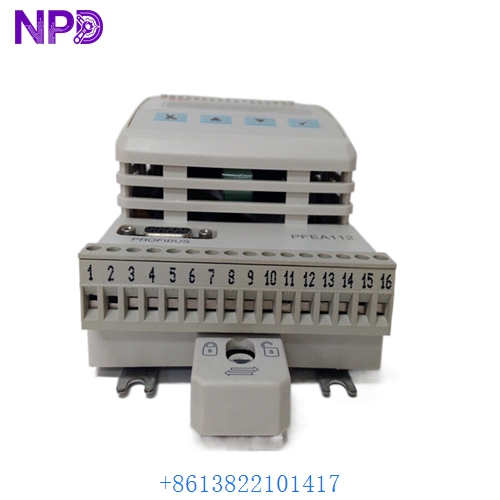

Description
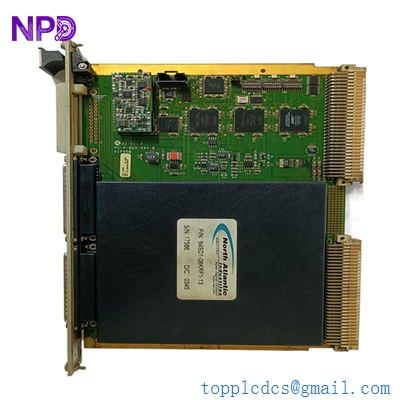
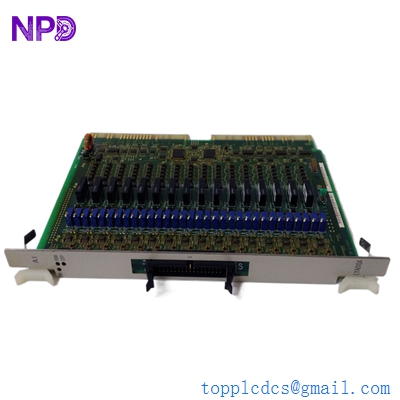
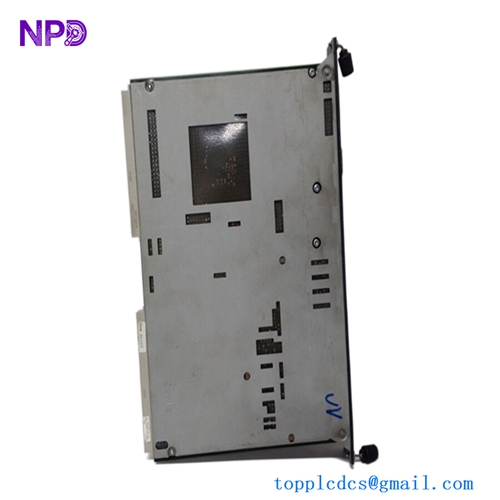
The Nabco MC-103-01A (Part Number 885 72739840) is a dedicated Main Control PCB Card used primarily in marine remote control systems for ship propulsion, such as Nabco’s propulsion maneuvering and bridge control systems. This card acts as the central logic unit for processing control commands from the bridge maneuvering telegraph or speed control levers. It interprets input signals to manage engine RPM, propeller pitch (if applicable), and clutch engagement, ensuring safe and synchronized operation of the main engine. Known for its durability in shipboard conditions, this module is essential for the reliability of vessel propulsion control.

Key Technical Specifications
| Parameter | Value/Description |
| Part Number | 885 72739840 (MC-103-01A) |
| Component Type | Main Control PCB / Logic Card |
| System Compatibility | Nabco Marine Remote Control Systems |
| Function | Propulsion command processing & logic |
| Operating Voltage | 24V DC (Standard shipboard power) |
| Control Logic | Analog/Digital signal processing |
| Interface | Edge connector or multi-pin terminal connection |
| Environment | Marine-grade, vibration-resistant design |
| Mounting | Control rack/cabinet card slot |
Recommended Related Models
These components are frequently serviced alongside the MC-103-01A within Nabco control cabinets:
- MC-103-01B: Revised/Updated Control Card variant
- MG-101: Governor Control Module
- MT-102: Telegraph Signal Processing Card
- PI-104: Pitch Indicator/Interface Module
- SA-105: Servo Actuator Control Card
- PS-106: Power Supply Unit for Control Rack
- LM-107: Lamp/Alarm Monitor Board
- BC-108: Bridge Command Interface
- RE-109: Relay Interface Module
- DI-110: Digital Input/Output Expansion Board
Important Technical Note: As this card handles critical propulsion logic, it often contains adjustable potentiometers for Speed Scaling, Clutch Delay Timing, and Deadband Adjustment. When replacing the MC-103-01A, it is essential to record the settings of the original card’s potentiometers or dip switches and replicate them on the replacement unit. Failure to calibrate these correctly can lead to dangerous synchronization errors between the bridge command and the engine’s actual response.