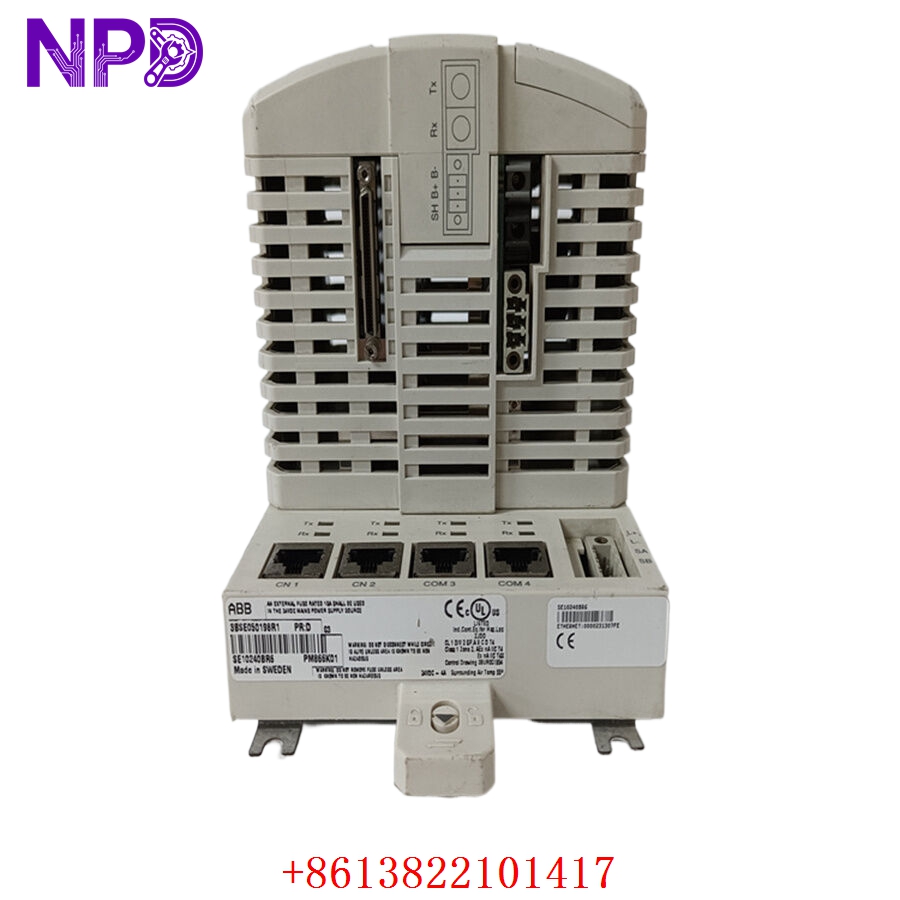

Description
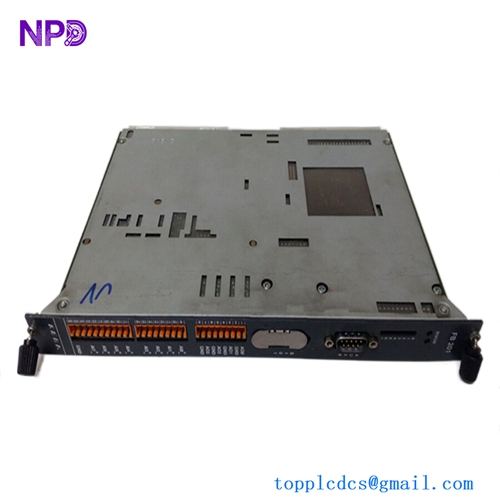
The NABTESCO TBU-III-C2 is a sophisticated control unit engineered for marine main engine remote control systems. As a critical component in the Nabtesco M-800 series architecture, this system facilitates the reliable management of main engine maneuvers—including starting, stopping, reversing, and speed regulation—from the bridge and engine control room. It is designed to ensure seamless communication and execution of commands in the high-demand environment of commercial shipping.
⚙️ Technical Specifications
- Dimensions: 380 mm x 260 mm x 150 mm
- Weight: 5.2 kg
- Country of Origin: Japan
- Supply Voltage: 24V DC
- Operating Temperature: -20°C to +60°C
- Housing: Ruggedized, dust-proof industrial enclosure
- Protection Class: IP54

🏗️ Application Areas
- Marine Main Engine Remote Control Systems (M-800 series)
- Engine Maneuvering Systems (EMS)
- Bridge-to-Engine Telegraph Interface
- Automated Slow-Steaming Control
- Propeller Pitch and RPM Synchronization
📖 Product Usage Instructions
The TBU-III-C2 should be installed within a dedicated control cabinet in the engine control room or bridge console. Ensure the unit is shock-mounted to protect against engine-induced vibrations. All signal cables connecting the bridge telegraph and the engine governor must be shielded and grounded correctly to prevent electromagnetic interference (EMI) from affecting maneuver execution.
🌐 Communication Configuration Steps
- IP Address: For network-integrated versions, use the Nabtesco engineering software via the service port to assign the static IP address and network mask.
- Station Number: The unit ID is set via hardware switches on the backplane or internal software configuration to identify it within the main engine control bus.
- Baud Rate: Configure the serial communication port speed (standard is typically 19200 or 38400 bps) to synchronize with the bridge telegraph and engine room monitoring systems.
⚡ Power-Up Debugging Flow
- Verify 24V DC primary and secondary (redundant) power supplies are active.
- Ensure the “Remote/Local” selector switch on the main console is in the “Remote” position.
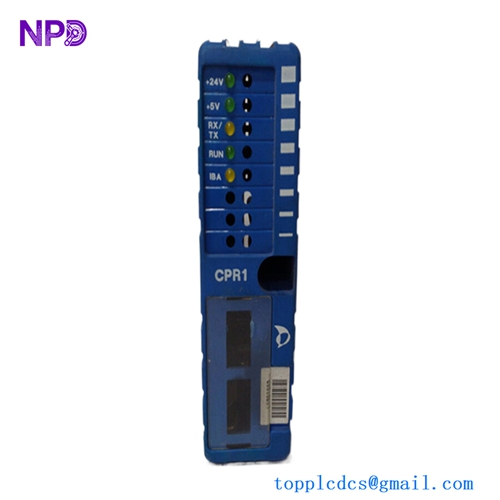
- Power on the unit and observe the “System Ready” and “Comm OK” LEDs on the front panel.
- If a “CPU Alarm” or “System Fault” LED illuminates, check the diagnostic log using the Nabtesco service tool.
- Once “Ready,” verify the telegraph handle response from the bridge matches the command indicated on the TBU display.
✅ Initial Run Checklist
- Perform a “Telegraph Response” test to ensure bridge commands are translated accurately to engine fuel/start signals.
- Verify that the “Emergency Stop” functionality overrides all remote commands as per safety standards.
- Check the communication logs for any intermittent “Data Timeout” errors that might indicate cabling issues.
- Save the full system configuration file, including all engine-specific tuning parameters, to a secure backup.
- Test the transition between “Remote” and “Local” control modes to ensure smooth handovers.
❓ Frequently Asked Questions (Q&A)
Q: What does the “III-C2” revision indicate? A: The TBU-III-C2 represents a specific iteration of the TBU (Telegraph Bridge Unit) series, featuring optimized logic for electronic engine management and improved compatibility with digital bridge systems.
Q: Can the TBU be repaired by the ship’s crew? A: Basic maintenance and module replacement are possible. However, due to the complex safety logic involved in engine maneuvering, software adjustments and internal repairs must be performed by authorized Nabtesco technicians.
Q: Why does the system enter “Locked” mode? A: The system may lock if it detects an inconsistency between the bridge telegraph position and the actual engine state (e.g., trying to reverse at high RPM). Ensure all safety conditions are met before attempting to clear the lock.
Q: Is the TBU-III-C2 compliant with latest IMO regulations? A: Yes, Nabtesco control systems are designed to meet or exceed IMO requirements for main engine control and maneuvering reliability.