
Description
Product Parameters
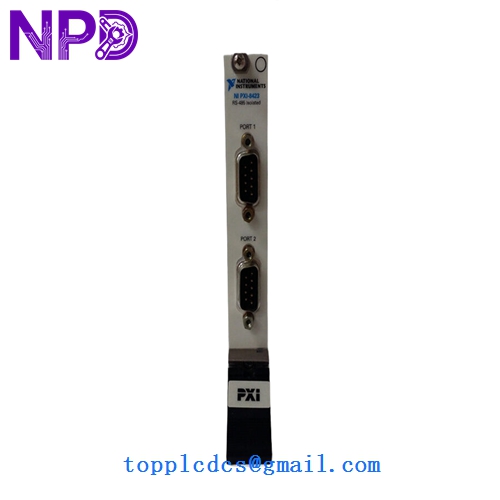
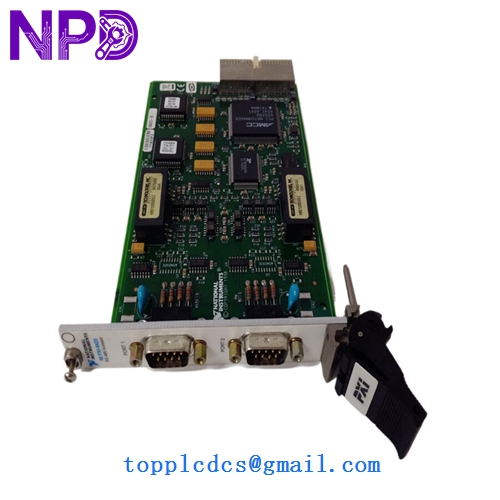
- Model Number: PXI-8423 (Part Number: 777610-01)
- Manufacturer: National Instruments (NI)
- Bus Type: PXI (Peripheral Component Interconnect eXtensions)
- Ports: 2 Asynchronous Serial Ports
- Protocols: RS485 (2-wire and 4-wire), RS422
- Isolation: 2,000V DC port-to-port and port-to-bus galvanic isolation
- Max Baud Rate: 128 kbps (Standard) / Supports up to 460.8 kbps (Custom)
- Data Bits: 5, 6, 7, 8
- Stop Bits: 1, 1.5, 2
- FIFO Size: 128 bytes
- Connector Type: DB-9 (Male)
- Weight: 0.33 lbs (0.15 kg)
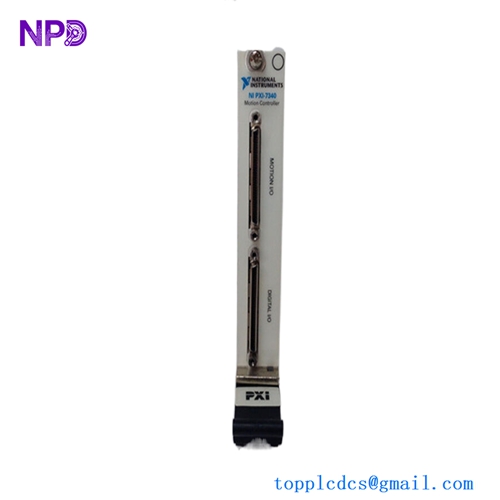
NI PXI-8423
NI PXI-8423
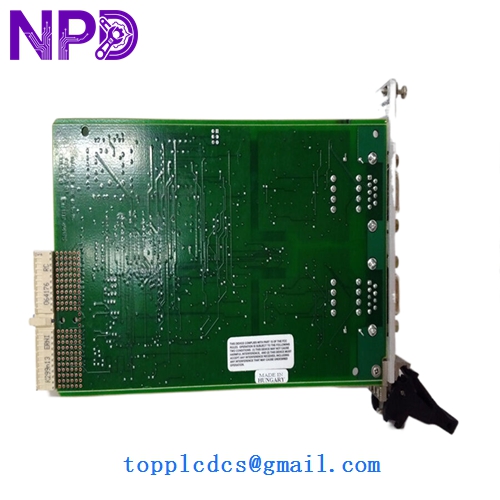
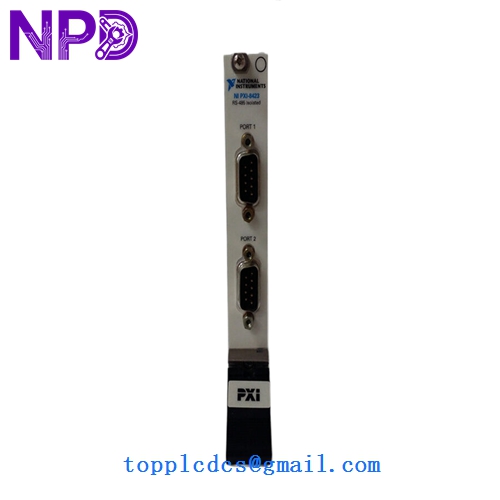
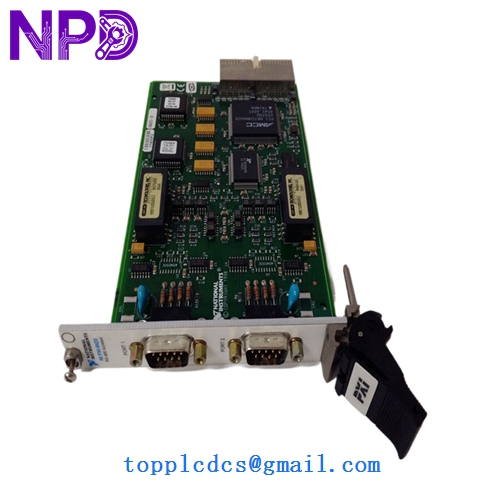
The NI PXI-8423 is a high-performance serial interface module designed for industrial automation and test systems that require rugged, isolated communication. By providing 2,000V of galvanic isolation, this module protects the PXI chassis and other instrumentation from ground loops and high-voltage transients commonly found in factory environments. It is fully compatible with the NI-VISA API, making it easy to integrate into LabVIEW, LabWindows/CVI, and Measurement Studio applications for controlling motors, PLCs, and power meters over long-distance RS485 networks.
Model Comparison
The PXI-8423 is distinguished from the PXI-8421 by its port count (2 ports vs. 4 ports) and its specific electrical isolation. While the PXI-8422 series focuses on RS232, the 8423 is dedicated to the differential signaling of RS485/422, which allows for cable lengths up to 1,200 meters. Compared to the non-isolated PXI-8420 series, the “3” in the 8423 model number signifies the inclusion of the 2kV isolation barrier, which is essential for preventing hardware damage in systems where the PXI chassis and the field devices are on different power grids.
Operation Tips
- Bias Resistors: If your RS485 network experiences data corruption during idle periods, check the internal bias resistor settings. The PXI-8423 allows for software-selectable biasing to ensure the transmission lines stay in a known state.
- Termination: For long cable runs (typically >10m), ensure a 120-ohm termination resistor is placed at both ends of the RS485 bus to prevent signal reflections.
- Transceiver Mode: Use the NI-MAX (Measurement & Automation Explorer) utility to configure the port for “4-wire,” “2-wire Auto,” or “2-wire DTR” modes depending on your hardware wiring. The “Auto” mode is highly recommended as it handles the half-duplex transceiver switching automatically.
- Driver Compatibility: Ensure you have the latest NI-Serial driver installed. Without this specific driver, the module may appear as an “Unknown Device” in Windows Device Manager, even if NI-VISA is already present.