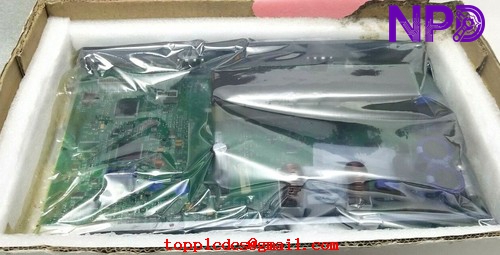

Description
The Pepperl+Fuchs R4D0-FB-IA12.0 is a high-performance Field Barrier designed for use in hazardous areas. It acts as an interface between a Foundation Fieldbus (or PROFIBUS PA) trunk and field instruments. This specific model is engineered to support both FISCO (Fieldbus Intrinsically Safe Concept) and ENTITY protection standards, allowing for the connection of intrinsically safe (IS) instruments in potentially explosive environments (Ex ia/Ex ib).

Key Technical Specifications
- Function: Provides intrinsic safety protection (Ex ia/Ex ib) for field-mounted instruments.
- Protection Concepts: Fully compliant with FISCO and ENTITY requirements, enabling easy integration without extensive safety calculations for every device loop.
- Outputs: Features 12 outputs (ports), allowing for the connection of up to 12 field devices to a single trunk segment.
- Short-Circuit Protection: Each output is individually protected against short circuits, ensuring that a fault in one instrument does not bring down the entire fieldbus segment.
- Installation: Designed for Zone 1/Div 1 (explosion-hazardous) installation; the field devices can be located in Zone 0/Div 1.
- Diagnostics: Features integrated LED status indicators for each channel, providing immediate feedback on communication activity and fault status.
- Housing: Rugged, corrosion-resistant aluminum housing (often with an IP66/67 rating) suitable for harsh industrial outdoor environments.
- Connection: Robust cable glands for trunk and spur connections, providing strain relief and secure sealing.
- Power: Powered directly from the fieldbus segment, eliminating the need for a separate auxiliary power supply for the barrier.
Integration and Application
The R4D0-FB-IA12.0 is the foundational component for creating “spur” connections in a hazardous area. It effectively manages the power and signal distribution while maintaining rigorous safety isolation.
- Zone 0 Integration: Because the outputs are intrinsically safe, you can install transmitters (temperature, pressure, flow) in Zone 0 while the barrier itself sits in Zone 1.
- Fault Isolation: If a specific instrument experiences a short circuit or ground fault, the barrier automatically disconnects that spur, allowing the remaining 11 devices to continue operating without interruption.
- Maintenance: Hot-swapping capabilities (depending on installation specifics) allow for the replacement of the barrier or maintenance on field wiring without requiring a “hot work” permit in the hazardous area.
Related Infrastructure Components
To build a compliant and functional fieldbus segment, the Field Barrier is often integrated with:
- Fieldbus Power Hubs: Devices (like the KFD2-FB series) that condition and supply power to the trunk line.
- Fieldbus Terminators: Essential for preventing signal reflections at the ends of the trunk and spur segments.
- Foundation Fieldbus / PROFIBUS PA Transmitters: The actual process sensors connected to the 12 output ports.
- Ex-rated Cable Glands: Critical for maintaining the explosion-proof integrity of the enclosure entries.
- Segment Couplers: Used to interface the fieldbus segment with the main control network (DCS/PLC).
- Surge Protection Modules: Often installed on the trunk or individual spurs to protect against lightning or electrical spikes.
- Stainless Steel Mounting Brackets: For securing the field barrier to racks or pipe stands.
- Diagnostic Gateways: External modules that collect and interpret the diagnostic data reported by the field barriers.
- Shielding/Grounding Kits: For properly managing the cable shields to prevent EMI/RFI issues.
- Replacement Port Plugs: Used to seal unused output ports to maintain the environmental and safety rating.