
Description
- Model: Pioneer Magnetics PM3326B-6-1-2-E
- Part Number: 80026-529-01
- Brand: Pioneer Magnetics (USA)
- Series: PM332x High-Power Series
- Core Function: High-current AC/DC switching power supply
- Product Type: Rack-mount/Chassis Power Supply
- Key Specs: 1,000 W+ Capacity | Multiple Output Rails | Industrial Cooling
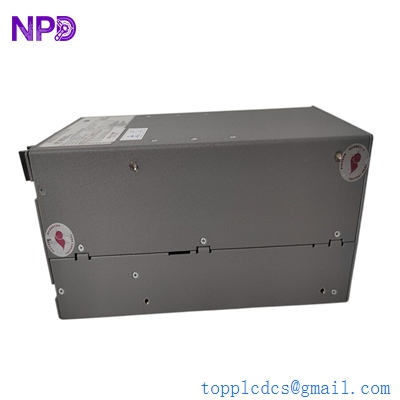
PIONEER MAGNETICS PM3326B-6-1-2-E 80026-529-01
Key Technical Specifications
- Input Voltage: 90-264 V AC (Universal Input) or 180-264 V AC (Model dependent)
- Output Voltage (Main): +5 V / +12 V DC (Typical configuration for “6” code)
- Current Rating: Up to 150 A on primary rails
- Total Power: Rated at 1,000 Watts to 1,500 Watts depending on airflow
- Efficiency: >75% at full load
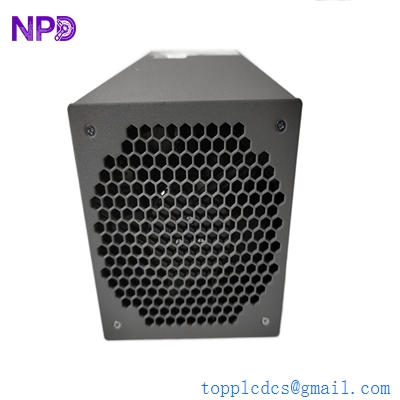
- Cooling: Integrated high-CFM ball-bearing fans
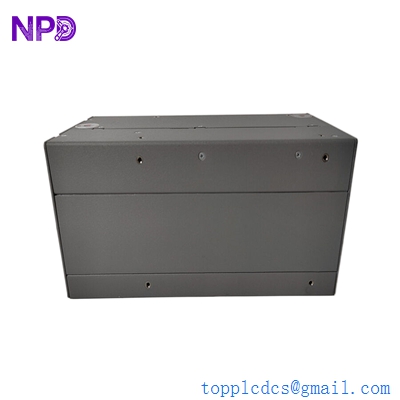
- Form Factor: High-density 5″ x 8″ x 11″ or similar footprint
- Signals: Power Good, Remote Inhibit, and Current Share
- Protection: Over-voltage, Over-current, and Thermal Shutdown
- Certifications: UL/CSA recognized, CE marked
Application Scenarios & Pain Points
In the world of high-power electronics—especially in semiconductor manufacturing or old-school telecom—the power supply is often the first thing to fail due to heat and capacitor aging. The PM3326B-6-1-2-E is a workhorse, but it’s a complex one. Because these are often custom-configured for OEMs, finding an exact match for the suffix “6-1-2-E” is critical. A slight mismatch in the voltage trim or the signal pinout can prevent your entire system from passing its POST (Power-On Self-Test).
Shutterstock
Typical Application Scenarios:
- Semiconductor Fabrication
Used in wafer processing equipment where stable, high-current DC power is required for precision actuators and sensors.
- Telecommunications Infrastructure
Powering large-scale switching hubs or legacy server racks that require redundant, high-wattage power.
- Industrial Automation (Large Scale)
Centralized power for multi-axis motion control cabinets where a single PSU drives multiple high-torque motors.
- Medical Imaging
Supplying stable voltage to MRI or X-Ray subsystems where ripple and noise must be kept to an absolute minimum.
Case Study: The “Cold Start” Failure in a Cleanroom
背景: A major semiconductor plant in Singapore was using an older generation of Pioneer Magnetics supplies. After a planned facility maintenance shutdown, one of the primary etching machines refused to power back up.
问题: The machine’s control logic was getting +5V, but the high-power rail was stuck at 0.8V. The original PSU (PM3326B-6-1-2-E) had “dried out” electrolytic capacitors. Because this specific part number (80026-529-01) was optimized for a specific ramp-up timing required by the tool, a generic off-the-shelf supply wouldn’t work.
解决方案: We located an identical, tested unit in our warehouse. Before shipping, we performed a 24-hour load test at 80% capacity using an electronic load bank to ensure the voltage stability under thermal stress.
结果:
- Seamless Swap: Since the pin assignments and “Power Good” logic were identical, the technician swapped the unit in 20 minutes.
- Production Resumed: The etching machine was back online within 48 hours of the initial failure.
- Proactive Maintenance: The client realized these units have a finite lifespan and ordered a second unit to keep in their “critical spares” locker.
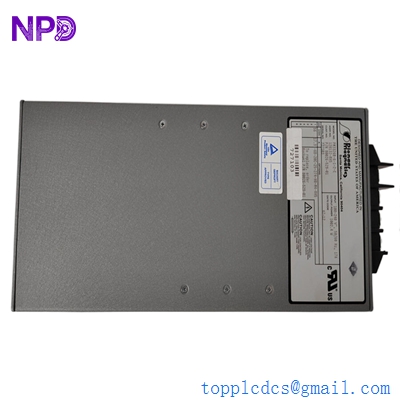
PIONEER MAGNETICS PM3326B-6-1-2-E 80026-529-01
Compatible Replacement Models
Pioneer Magnetics units are often highly customized. The part number 80026-529-01 is your most reliable reference.
| Original Model | Compatibility | Notes |
| PM3326B-6-1-2-E | ✅ Direct | Must match the full suffix and part number 80026-529-01. |
| PM3326A Series | ❌ Incompatible | Older “A” revision has different efficiency ratings and footprint. |
| PM33210 Series | ⚠️ Hardware Mod | Higher power, but connector pinouts usually differ. |
Engineer’s Warning: I cannot stress this enough—check the “E” suffix. In Pioneer Magnetics nomenclature, these suffixes often denote specific cooling fan directions or logic levels for the inhibit signals (Active High vs. Active Low). If you get this wrong, the PSU will sit there and do nothing, or worse, your controller will think there’s a permanent fault.
Troubleshooting Quick Reference
| Symptom | Likely Cause | PSU Related? | Quick Check |
| Fan spins, no DC output | Internal fuse or DC-stage failure. | ✅ High | Check “Inhibit” pin status; it might be “telling” the PSU to stay off. |
| No fan, no DC output | Open AC input or blown primary fuse. | ✅ High | Measure AC voltage at the input terminal block. |
| Voltage “Droops” under load | Aging capacitors or partial short in load. | ⚠️ Medium | Test the PSU with the output cables disconnected using a dummy load. |
| Intermittent Shutdown | Fan failure leading to Overtemp. | ✅ High | Check for dust buildup in the intake or a seized fan bearing. |
❗ Safety Warning: These units store a massive amount of energy in the primary capacitors. Even after you pull the AC plug, there can be 380V DC sitting on those caps for several minutes. If you’re opening the chassis to check a fuse, wait at least 10 minutes and verify with a Fluke 115 before touching anything!