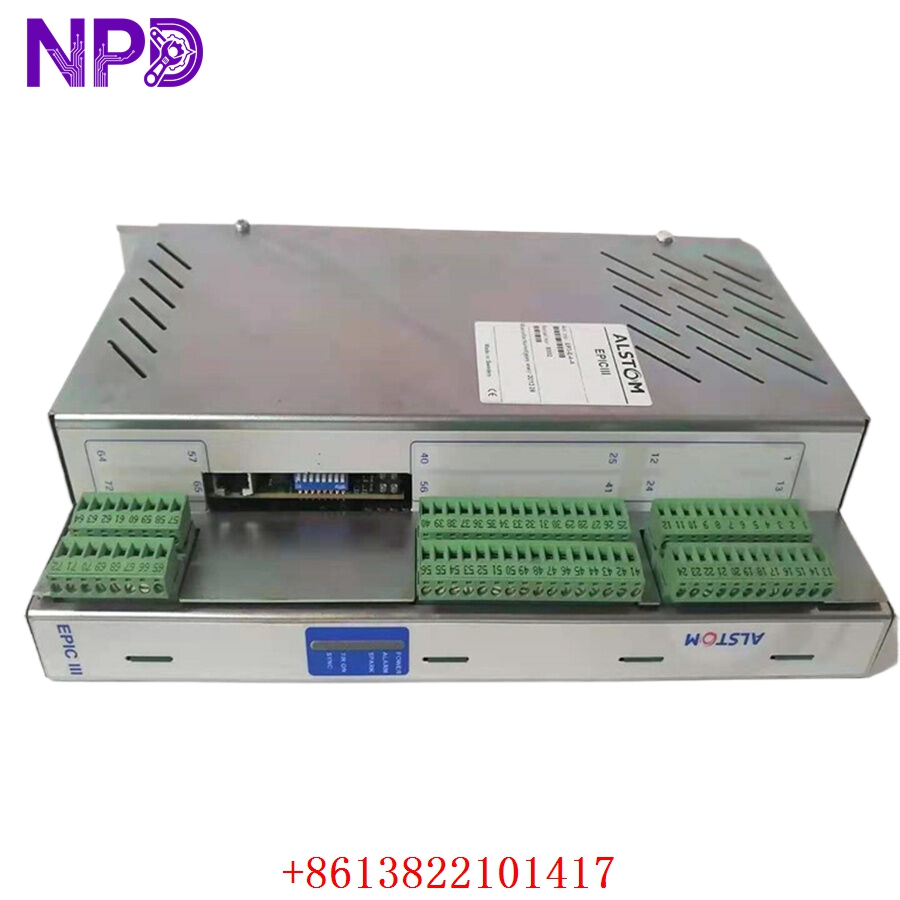

Description
The Rexroth VT-HACD-DPQ-1-20/V0/1-0-0 (MNR: R901054664) is a high-performance, programmable digital axis control module designed for controlling electro-hydraulic servo systems. This HACD (Hydraulic Axis Control Digital) series card is specifically engineered to handle complex closed-loop control tasks, such as position, pressure, and force regulation in industrial hydraulic applications. It processes sensor feedback and provides precise command signals to servo valves, ensuring highly dynamic and accurate motion profiles. Its programmability allows it to be adapted for various hydraulic configurations, making it a critical component in injection molding machines, heavy presses, and robotic hydraulic actuators.
Product Specifications
📍 Product Series: Rexroth HACD-DPQ Series
⚖️ Weight: 0.65 kg
📏 Dimensions: Standard Eurocard format (100 mm x 160 mm)
🌍 Country of Origin: Germany
⚡ Operating Voltage: 24 V DC
🔄 Control Inputs: Digital and Analog feedback (Pressure/Position)
🛡️ Protection Class: IP20
🌡️ Operating Temperature: 0°C to +50°C
🏗️ Mounting Type: Card rack / Control cabinet module
🔌 Interface: PROFIBUS DP / Serial Service Interface

Recommended Models in the Same Series
🔍 VT-HACD-DPQ-1-20/V0/0-0-0: Base model without specific fieldbus configurations
🔍 VT-HACD-1-20/V0/1-0-0: Standard position control card (non-DPQ)
🔍 VT-HACD-DPQ-1-20/V0/1-0-0-R: Factory-refurbished certified unit
🔍 VT-HACD-V1: Variant for simple valve pilot control
🔍 VT-HACD-B-1-20: Version with enhanced analog input resolution
🔍 VT-HACD-DPQ-2-20: Dual-axis control variant
🔍 VT-HACD-Adapter-Card: Breakout board for easier field wiring
🔍 VT-HACD-Comm-Module: Expansion card for additional fieldbus protocols
🔍 VT-HACD-Memory-Card: Non-volatile memory storage module for logic
🔍 VT-HACD-Cable-Set: Pre-wired interface cable kit for card racks
Principles of Hydraulic Closed-Loop Control The HACD card operates by continuously comparing a target command (position or pressure) against actual physical feedback from the hydraulic system. By executing a PID (Proportional-Integral-Derivative) algorithm, it calculates the necessary valve opening to minimize the error between the desired and actual states. This real-time loop is essential for preventing overshoot and ensuring smooth acceleration and deceleration in hydraulic systems.