
Description
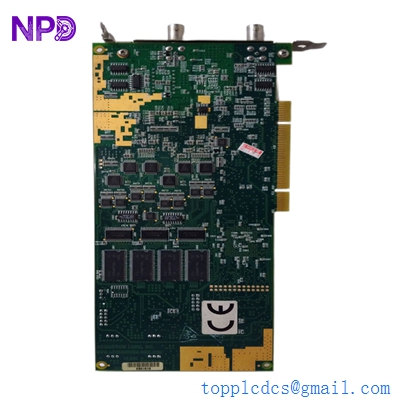
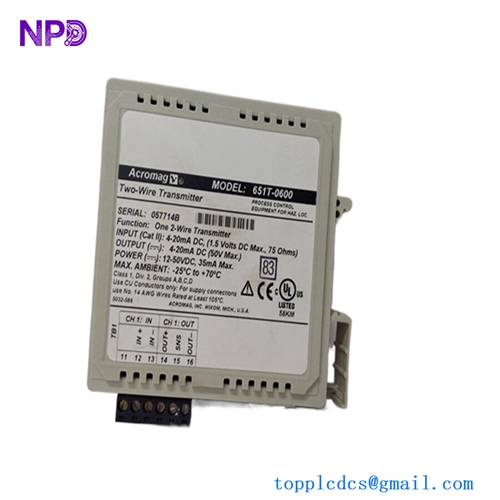
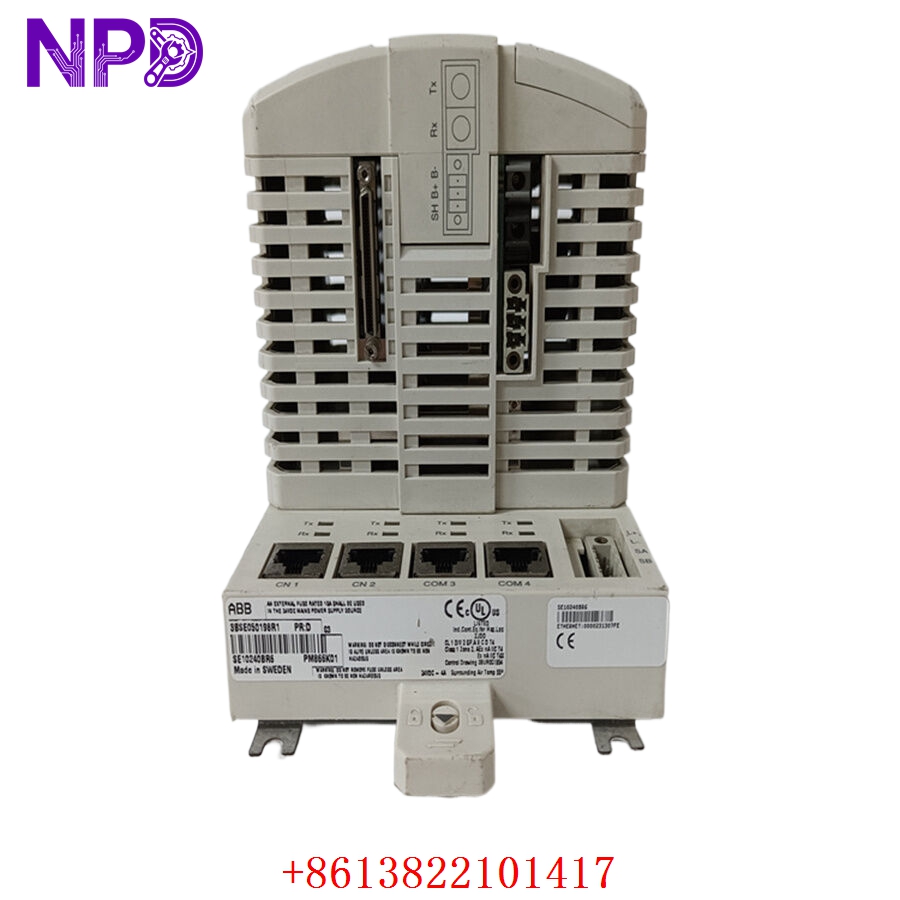
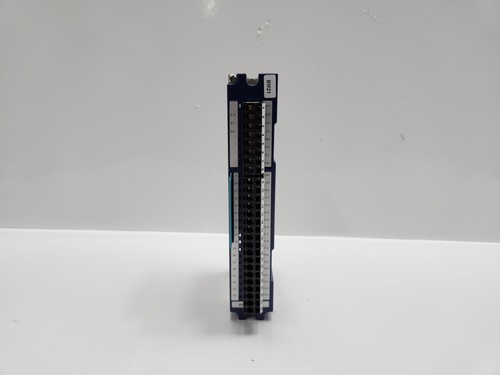
The ROLLS-ROYCE / WEIDMULLER RRAIO16 is a high-density Analog Input/Output (I/O) and Alarm module. Specifically engineered for maritime applications, this module is a staple in Rolls-Royce Marine automation systems (such as the Icon or Unified Bridge platforms). It serves as a ruggedized interface between field-level analog sensors (pressure, temperature, flow) and the central control system, incorporating integrated logic to trigger alarms based on preset threshold values.
⚙️ Technical Specifications
- Dimensions: 120 mm x 100 mm x 115 mm
- Weight: 0.45 kg
- Country of Origin: Germany
- Supply Voltage: 24V DC
- Input Channels: 16 configurable analog inputs (4-20mA / 0-10V)
- Alarm Outputs: Integrated relay or logic-level outputs
- Operating Temperature: -20°C to +60°C
- Protection Class: IP20 (Cabinet mounted)
🏗️ Application Areas
- Marine Engine Management Systems
- Auxiliary Machinery Monitoring (Pumps, Fans, Compressors)
- Shipboard Alarm and Monitoring Systems (AMS)
- Propulsion and Thruster Control Instrumentation
- Integrated Bridge System (IBS) Sensor Hubs
📖 Product Usage Instructions
The RRAIO16 module must be installed in an environment-controlled electrical cabinet. Use high-quality shielded cabling for all analog inputs to maintain the precision of the 4-20mA signals, especially in environments with high EMI. Ensure the shield drain wire is connected to a single point ground at the cabinet entry to prevent ground loops. The module snaps onto standard DIN-rails; ensure the backplane connector is fully seated to guarantee secure communication.
🌐 Communication Configuration Steps
- IP Address: As a slave I/O module, addressing is managed via the master controller’s configuration software.
- Station Number: Set the module’s unique address via the rotary switches on the side of the unit or through the engineering tool mapping.
- Baud Rate: The communication speed is automatically negotiated based on the fieldbus protocol (typically CANopen or RS-485 based) used by the Rolls-Royce control cabinet.
⚡ Power-Up Debugging Flow
- Verify 24V DC supply at the input terminal block.
- Ensure the “Communication Bus” cable is properly terminated at the end of the rack.
- Power on the module; the “PWR” LED should be solid green, and the “RUN” LED should indicate active polling.
- If a “COMM” LED flashes red, check for short-circuits or breaks in the fieldbus cabling.
- Utilize the Rolls-Royce service software to perform a “Channel Scan” to verify that each of the 16 inputs is reporting live data.
✅ Initial Run Checklist
- Perform a signal calibration for every active input to ensure the HMI display matches actual sensor readings.
- Test alarm thresholds by simulating high/low signals—confirm that the alarm status is reflected at the bridge console.
- Check for “Signal Noise” in the software logs; high jitter may indicate poor shielding.
- Save the full module configuration file to the system project archive for future restoration.
- Inspect terminal screws for mechanical tightness to prevent issues from ship-borne vibrations.
❓ Frequently Asked Questions (Q&A)
Q: Can I use the RRAIO16 for both analog and digital signals? A: It is primarily designed for analog signals, but depending on the specific firmware version and I/O mapping, some channels may be configurable as high-impedance digital status inputs. Refer to your specific system manual.
Q: What do the different status LEDs represent? A: Typically, Green represents Power, Yellow/Amber represents Data/Bus Activity, and Red represents a Channel or Logic Fault. Refer to the Weidmuller or Rolls-Royce documentation for the specific blink-code legend.
Q: Is the RRAIO16 hot-swappable? A: While possible in some rack designs, it is best practice to power down the specific segment to avoid voltage spikes that can disrupt communication with other modules on the same bus.
Q: What causes an “Analog Out of Range” alarm? A: This is usually caused by a sensor signal falling below 4mA (often indicating an open wire/break) or exceeding 20mA (short circuit or faulty transmitter).