
Description
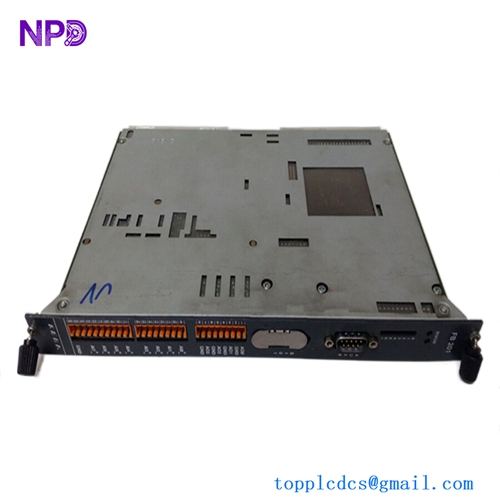
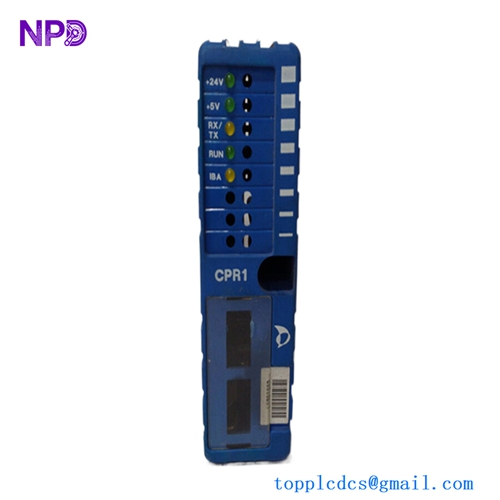
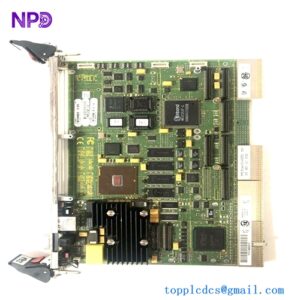
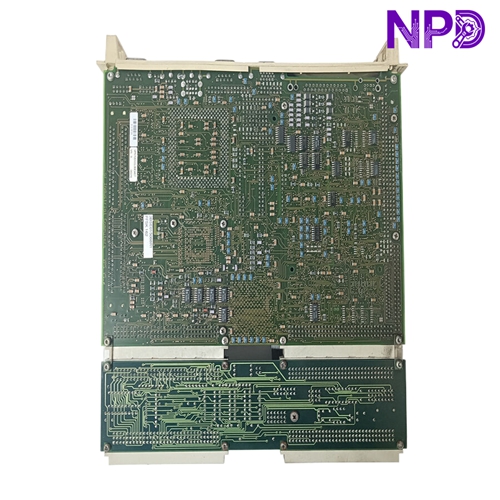
The Rolls-Royce RRDIO15 is a specialized digital I/O module manufactured in partnership with Weidmuller. Designed specifically for high-reliability environments, it is a staple in marine, shipbuilding, and power generation control systems. The module functions as a critical interface between field-level sensors and the centralized control logic, providing real-time monitoring and alarm annunciation.

📋 Technical Specifications
| Parameter | Specification |
|---|---|
| Product Name | RRDIO15 I/O Module |
| Manufacturer | Weidmuller (for Rolls-Royce Marine/Energy) |
| Core Function | Digital signal monitoring and alarm management |
| Channel Count | 16-channel digital I/O |
| Operating Voltage | 24 V DC (Industrial standard) |
| Environment | Marine-grade; vibration and shock resistant |
| Application | Engine room monitoring, thruster control, safety interlocks |
🚀 Integration and Application
The RRDIO15 is typically deployed within control racks where high-density digital signal processing is required. Key aspects of its integration include:
- Safety Interlocks: Monitoring the status of emergency stops, limit switches, and safety guards.
- Status Annunciation: Communicating machine status to the main control console (e.g., Engine ON/OFF, Valve Open/Closed).
- Fault Detection: Identifying sensor anomalies or wiring failures within the field loop.
⚠️ Maintenance and Operational Note
Given the critical nature of these modules in marine and energy applications, keep these best practices in mind:
- Vibration Mitigation: Because these modules are often installed in areas with high mechanical vibration, ensure all cable connections are securely tightened and that the module is firmly locked into the backplane.
- Signal Integrity: Use shielded twisted-pair cabling for all inputs to prevent electromagnetic interference (EMI) from shipboard electrical machinery.
- Legacy Lifecycle: As this is often a legacy component, ensure your system documentation includes a mapping of the RRDIO15’s terminal assignments. If a module requires replacement, verify that the replacement unit’s hardware revision is backward-compatible with your existing control cabinet logic.
- Diagnostic Indicators: The module features front-panel LEDs to indicate input/output status. Use these as your primary diagnostic tool before checking the logic in the control software.