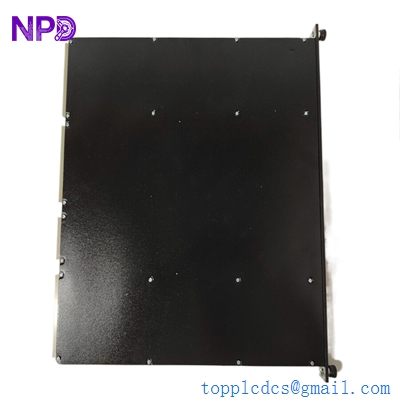

Description
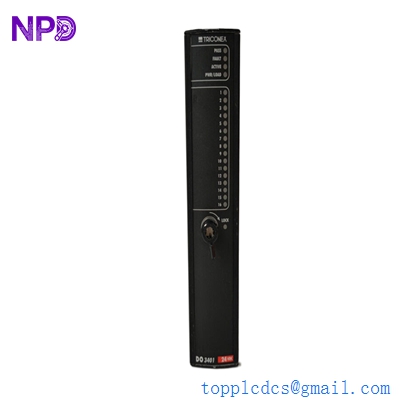
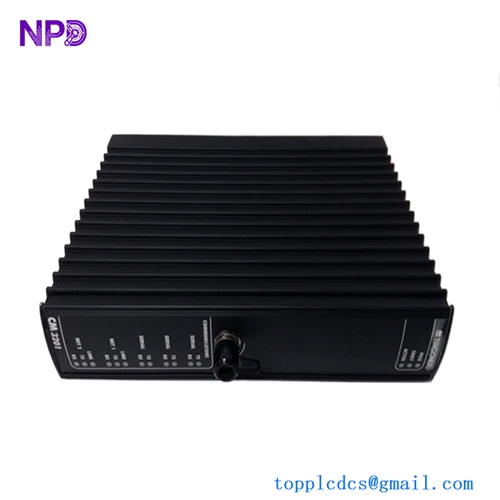
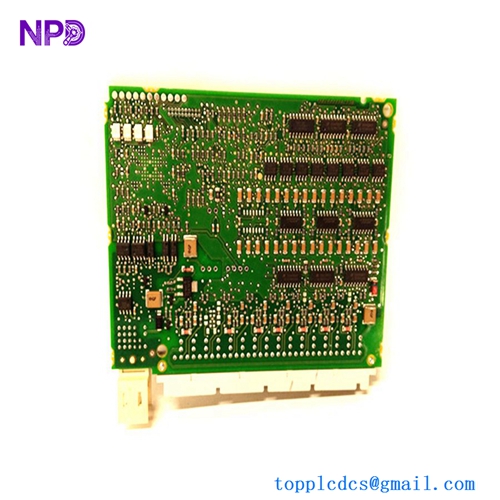
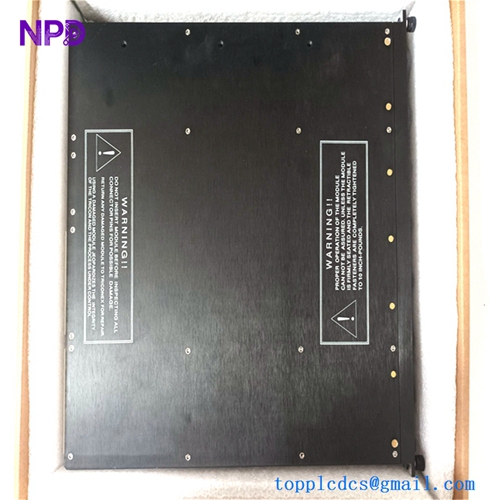
- Model: TRICONEX 3625C1
- Brand: Triconex / Schneider Electric (USA)
- Series: Tricon v9 / v10 / v11 Systems
- Core Function: 24V DC Digital Output (DO) module with Triple Modular Redundancy (TMR).
- Condition: Brand New Surplus (Original New), Factory Sealed or Open-Box Tested.
- Product Type: Supervised Digital Output Module (Commoned)
- Key Specs: 16 Points | 24V DC | TMR Architecture | Supervised for Line Faults.
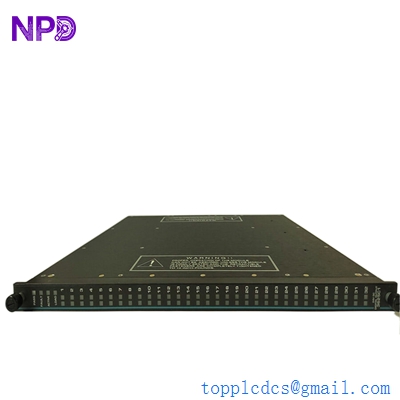
TRICONEX 3625C1
Key Technical Specifications
- Output Points: 16, Commoned
- Nominal Voltage: 24V DC
- Operating Voltage Range: 18V to 30V DC
- Output Current (per point): 2.0 Amps (Maximum)
- TMR Architecture: Three independent channels with voting logic.
- Supervision: Detects open circuit and short circuit conditions in the field.
- Isolation: 1500V DC (Chassis to Output)
- Self-Test Frequency: Every 500ms (Internal diagnostics)
- On-state Voltage Drop: < 1.0V DC at 2A
- Off-state Leakage: < 2.0 mA
- Status Indicators: Pass, Fault, Active, Load (per point)
- System Compatibility: Tricon High-Density (HD) backplanes
Installation & Configuration Guide
Installing a 3625C1 into a live Tricon rack requires strict adherence to safety protocols. Since Triconex systems typically protect high-hazard processes (ESD, F&G, BMS), any mistake during Hot-Swap can trigger a plant-wide shutdown.
Phase 1: Pre-Installation (Est: 15 mins)
⚠️ Safety Protocol:
- Confirm the “Active” and “Ready” status of the redundant partner module via the Tricon Diagnostic Tool (TDT).
- Ensure you have the correct External Termination Assembly (ETA) and interface cables.
- Check the “Keyswitch” position on the Tricon Chassis. It must be in the PROGRAM or REMOTE position to allow module changes in some older firmware versions.
Phase 2: Hot-Swap Procedure (Est: 10 mins)
- Identify the Faulty Slot: Locate the module with the “FAULT” LED (Solid Red).
- Extraction: Open the ejector levers (top and bottom) simultaneously. Pull the module out slowly. Wait 30 seconds for the system to register the empty slot.
- Visual Inspection: Check the backplane connector for bent pins or debris.
- Insertion: Align the 3625C1 with the guide rails. Push it firmly until the levers can be closed. The “PASS” LED should start blinking during its Power-On Self-Test (POST).
Phase 3: Configuration & Verification (Est: 20 mins)
- Synchronization: Once the “PASS” LED turns solid green, the module is running.
- Vote Check: Use the TriStation 1131 software to verify the module is “In Sync” with the other legs of the TMR triad.
- Load Verification: Check for “Load” alarms. If a point is active but no current is detected, the “LOAD” LED will flash, indicating a possible field wiring break.
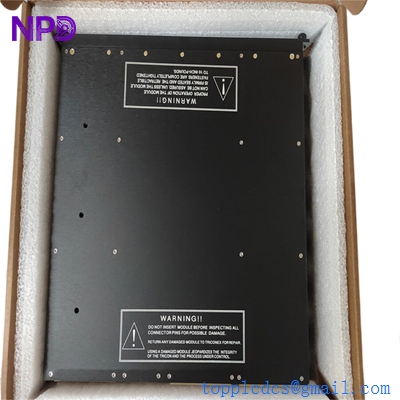
TRICONEX 3625C1
Customer Cases & Industry Applications
Case 1: LNG Terminal Emergency Repair Background: An LNG export terminal in Australia experienced a failure on a 3625C1 module controlling the main ESD (Emergency Shutdown) valves. Task: The system was running on two legs of the TMR triad. While the process was safe, the site was “one fault away” from a total blackout. The OEM delivery time was 20 weeks. Action: We overnighted a New Surplus 3625C1 from our Asia-Pacific hub. Result: The maintenance team hot-swapped the module within 24 hours of the initial fault. The system returned to full 3-2-0 fault tolerance, saving the client from an insurance-mandated shutdown.
Case 2: Offshore Platform Obsolescence Management Background: A North Sea oil platform was running an aging Tricon v9.6 system. Several 3625C1 modules were showing intermittent internal “Leg Faults.” Task: The operator needed to extend the life of the v9.6 system by 5 years before a total v11 upgrade. Action: We supplied a batch of 5 New Surplus modules to serve as on-site “Strategic Buffer Stock.” Result: By having the parts on the rig, the platform avoided the “Panic Buy” premiums and ensured that the safety integrity level (SIL 3) remained uncompromised during the transition period.
Frequently Asked Questions (FAQ)
Q: What is the difference between 3625 and 3625C1? A: The “C1” designation typically refers to a Coated version (Conformal Coating) for harsh environments and specific internal component revisions. They are generally interchangeable, but in my experience, if your rack uses “C” series modules, you should stick with the 3625C1 to ensure consistent environmental protection across the backplane.
Q: Does this module support “Line Monitoring”? A: Yes. The 3625C1 is a supervised module. It sends a tiny pulse to the field even when the output is OFF to check for wire continuity. If you are using this for a device that is very sensitive (like a high-impedance relay), you might need an interposing resistor to prevent the “leakage” from accidentally tripping the device.
Q: Can I Hot-Swap this module without stopping the process? A: Yes, Triconex is designed for exactly that. However, you must ensure the partner module in the redundant slot is “Active.” If you pull the only working module in a pair, the outputs will go to their fail-safe state (usually de-energized).
Q: Why buy “New Surplus” for a safety system? A: Safety systems require high reliability. Used or “Refurbished” Tricon modules often have hidden “Leg Faults” or stressed voting relays. Our New Surplus 3625C1 units are unused, meaning the internal components haven’t been subjected to the 24/7 heat of a control cabinet. You get the reliability of a new part without the 5-month factory lead time.