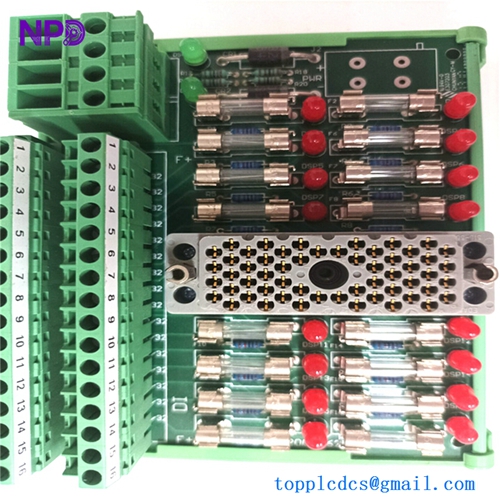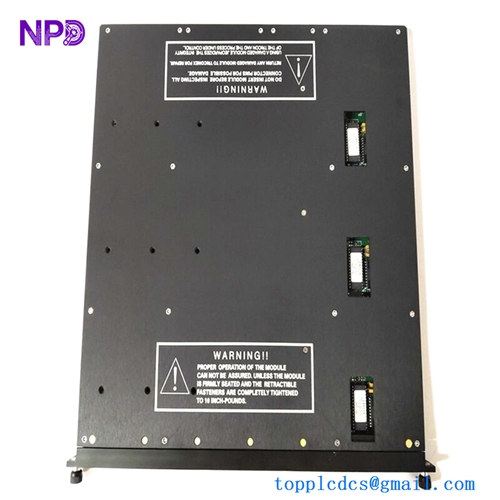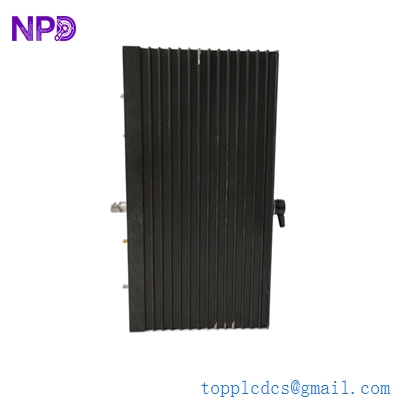

Description
- Model: Triconex 3201
- Brand: Schneider Electric (Triconex)
- Series: Tricon v9 / v10 / v11 Systems
- Core Function: 16-point Digital Output (DO) Module with TMR architecture
- Product Type: TMR Digital Output Module (Commoned)
- Key Specs: 24 V DC, 16 isolated points, TMR (Triple Modular Redundancy)
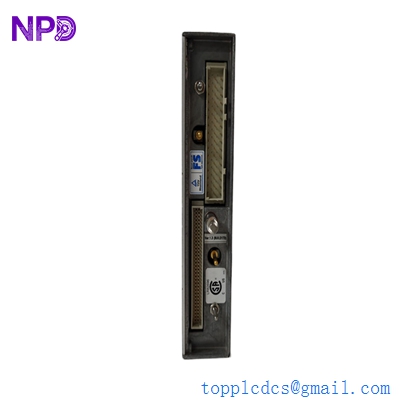
TRICONEX 3201
Key Technical Specifications
- Voltage Range: 18–30 V DC (24 V DC Nominal)
- Output Points: 16 points, commoned
- Redundancy: Triple Modular Redundant (TMR) — Three output switches in a series-parallel voting circuit per point
- Current Rating: 2.0 A maximum per point; 10 A maximum per module
- Self-Test Interval: Continuous (checks for “stuck-on” and “stuck-off” faults)
- Status Indicators: PASS, FAULT, ACTIVE, and Point-by-point LEDs
- Isolation: 1,500 V DC (Output to Backplane)
- Leakage Current: < 2 mA (when Off)
- Compatibility: Compatible with v9.6 and higher Tricon systems
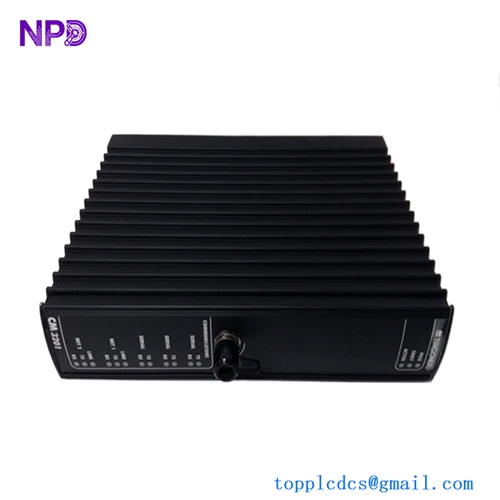
TRICONEX 3201 CM3201
Application Scenarios & Pain Points
The Triconex 3201 is a critical component in the execution of safety actions. While input modules (like the 2351) “see” the danger, the 3201 is what actually shuts the valve or trips the pump. Because it uses TMR architecture, the module can tolerate a hardware failure without accidentally triggering a shutdown or—more importantly—failing to act when needed. The biggest pain point for maintenance teams is managing “Loop Power.” Since this module switches external power to the field devices, a short circuit in a single solenoid can sometimes stress the entire module if the fused protection on the field termination assembly (FTA) isn’t sized correctly.
1. Emergency Shutdown (ESD) Actuation
Controlling critical isolation valves that must close instantly during a process upset to prevent leaks or explosions.
2. Fire Suppression Control
Triggering deluge valves or CO2 systems in high-risk chemical storage areas.
3. Turbo-Machinery Protection
Managing trip solenoids on large steam or gas turbines to prevent overspeed conditions.
Case Study: The “Safety Trip” That Wasn’t
Background: An LNG terminal was performing a monthly partial-stroke test on a main flare header valve. The Triconex system reported a “Module Fault” on the 3201 Digital Output card during the test, but the valve stayed open and the process remained stable.
The Problem: One of the three internal output switches (Leg B) on the 3201 had failed in the “Open” position. In a standard PLC, this might have caused the valve to drop. However, because the 3201 uses a series-parallel voting circuit, the other two legs maintained the circuit integrity. The TMR architecture did exactly what it was designed to do: it turned a potential plant-wide shutdown into a simple maintenance alarm.
The Solution: We supplied a tested 3201 module. The site team utilized the “Hot Spare” functionality, inserting the new module into the reserved slot. The TriStation software synchronized the logic, and once the “Active” light turned green on the new module, the faulty one was removed.
The Result: The terminal stayed online.
- Avoided Loss: Prevented a flare event and plant restart, saving an estimated $400,000 in lost production and environmental fines.
- Takeaway: TMR hardware allows you to repair your safety system while it is still protecting the plant. Always keep a spare 3201 to ensure you don’t run on “two legs” for long.
Compatible Replacement Models
| Original Model | Replacement Model | Compatibility | Key Differences | Workload |
| Triconex 3201 | Triconex 3201 | ✅ Direct | Must match hardware version (v9 vs v10) | Plug & Play |
| Triconex 3201E | Triconex 3201 | ⚠️ Limited | “E” version has enhanced diagnostics | Check TriStation Config |
| Triconex 3101 | Triconex 3201 | ❌ Incompatible | 3101 is 115V AC; 3201 is 24V DC | Voltage mismatch |
Engineer’s Advice: Pay close attention to the load current. The 3201 is rated for 2 Amps per point, but if you are driving several heavy solenoids simultaneously, you can hit the 10 Amp module limit. If your module is running hot, you might need to redistribute your high-load outputs across multiple 3201 cards.
Troubleshooting Quick Reference
| Symptom | Possible Cause | 3201 Related? | Quick Check | Action |
| “Fault” LED Solid Red | Internal Voting Failure | ✅ High | Check TriStation Diagnostic Monitor | Replace Module |
| Point LED is On, No Action | Blown FTA Fuse | ❌ Low | Check fuse on the Field Termination Assembly | Replace 3A/5A Fuse |
| Load “Flickers” | Glitch in Loop Power | ⚠️ Medium | Check 24V DC Field Power Stability | Verify Power Supply |
| “Active” LED Off | Module in Standby/Fault | ✅ High | Check if module is in a “Hot Spare” slot | Verify “Active” status in software |
Expert Integration Notes:
- Hot Swap Timing: ❗ Critical! When you insert a new 3201, wait for the “PASS” LED to stay green and the “ACTIVE” LED to stop flashing before you pull the old module. The Tricon needs time to “re-educate” the new module with the current process state.
- The “Common” Connection: The 3201 is a commoned output module. Ensure your field wiring is not cross-mixed with other modules, as this can lead to ground loops that trigger “Output Glitch” alarms.
- Connector Inspection: Since Triconex systems often run for 20+ years, the backplane connectors can oxidize. When replacing a module, check the slot for “greenish” oxidation or dust buildup.