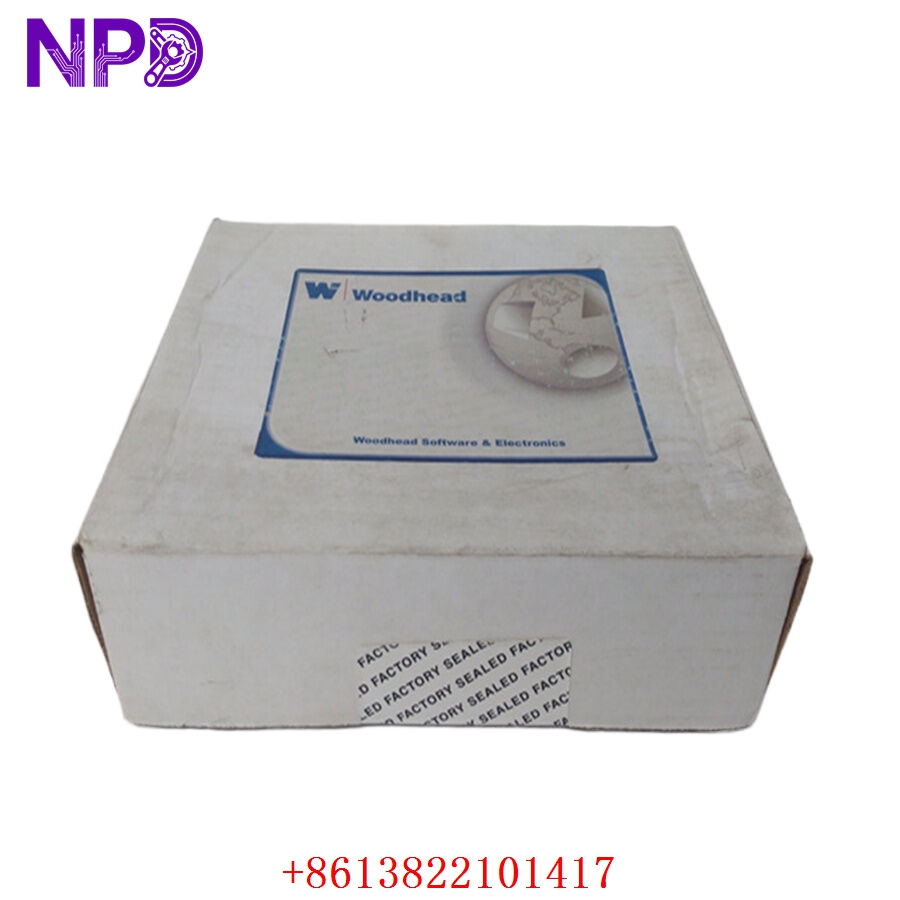

Description
🌐 Product Overview
The Siemens QLCCM22AAN (Part Number 16418-31/3) is a high-integrity, industrial safety and critical control module engineered for deployment within Siemens’ specialized distributed control systems (DCS) and fail-safe automation architectures. Built to execute deterministic control loops for safety-instrumented systems (SIS), this module provides a high degree of internal diagnostics and fault-tolerant processing. It is specifically designed to handle critical interlocks, emergency shutdowns (ESD), and high-reliability isolation sequencing where operational downtime or system failure could pose significant risks to personnel, environmental safety, or high-value machinery.

⚙️ Technical Specifications
- Model Designation: QLCCM22AAN
- Part Number Matrix: 16418-31/3
- Dimensions: 215mm x 140mm x 45mm
- Weight: 0.92 kg
- Origin: Germany / United States (Depending on production facility lifecycle)
- Processor Architecture: Dual-channel lockstep redundant microprocessor system
- Operating Voltage: 24V DC nominal (19.2V to 30V DC strict fail-safe tolerance range)
- Backplane Interface: High-speed redundant communication bus channels
- Isolation Protection: 2500V DC galvanic isolation between field terminal loops and internal logic circuitry
🚀 Application Fields
- Emergency Shutdown Systems (ESD): Serving as the core logic solver for emergency trip valves and shutdown matrices in petrochemical plants.
- Burner Management Systems (BMS): Coordinating safe ignition, flame monitoring, and fuel-gas valve isolation on high-capacity industrial boilers and furnaces.
- Fire & Gas (F&G) Systems: Aggregating data from flame and toxic gas detectors to initiate automatic localized mitigation systems.
- Nuclear and Power Infrastructure: Managing high-integrity auxiliary safety loops and critical cooling line interlocks.
📖 Product Instructions
- Chassis Slotting: Ensure the primary system sub-rack chassis power supply is completely deactivated. Line up the QLCCM22AAN module with the guide rails of the designated safety slot. Slide the card firmly inward until the high-density backplane connector is fully seated, then hand-tighten the top and bottom captive retention screws.
- Field I/O Termination: Connect pre-fused, shielded wiring pairs to the corresponding field terminal block. Keep all critical safety signaling paths completely isolated from high-voltage inductive lines within the cabinet wiring raceways.
- Module Synchronization: Initialize the hardware address configuration through the hardware DIP switch matrix or assign the safety network ID within the Siemens engineering software utility to establish secure safety communication protocols (e.g., Profisafe).
✅ Initial Startup Checklist
- Verify that the incoming 24V DC auxiliary power supply provides clean, filtered voltage within the narrow safety tolerance band.
- Confirm that the module chassis grounding terminal is securely bonded to the central, low-impedance cabinet earth ground busbar.
- Energize the backplane and observe the front-facing diagnostic cluster; the green “ACTIVE” or “RUN” LED should light up steady, while the amber “FORCE” and red “FAULT” LEDs remain unlit.
- Run an online safety signature verification via the engineering workstation to ensure that the logic runtime application matches the certified safety project baseline.
🛠️ Maintenance & Care
- Diagnostic Log Auditing: Inspect the central controller’s internal diagnostic log files every three months to review any transient memory parity errors or communication bus packet retries logged by the module.
- Hardware Tightness Check: Re-verify the torque on the captive retention screws and pluggable terminal blocks bi-annually to counteract the effects of continuous industrial structural vibrations.
- Proof Testing Cycles: Conduct functional safety proof testing according to your facility’s safety integrity level (SIL) guidelines to ensure the internal redundant trip relays execute their safety mandates flawlessly.
⚠️ Safety Precautions
- Strict Power Off Compliance: Never pull, plug, or reconfigure address switches on the QLCCM22AAN module while the backplane rack is live, as live insertion can disrupt the safe communication bus and trigger an uncommanded partial or full system trip.
- Electrostatic Charge Protections: Keep the module inside its static-shielding protective packaging until the moment of physical installation. Use a grounded ESD wrist strap when handling the exposed metal housing or interface ports.
- Firmware Safety Boundaries: Do not flash or alter the module’s operating system firmware unless explicitly directed by a Siemens factory safety bulletin. Any unauthorized firmware modification nullifies the unit’s safety certification and SIL rating.
🔍 Troubleshooting & FAQ
- Q: The front panel “FAULT” LED is flashing a rhythmic red pattern, and the module has isolated its outputs.
- A: A flashing red fault indicates an internal diagnostic mismatch between the dual lockstep processors, or a corruption in the safety memory partition. Power-cycle the chassis to initiate a hardware self-test; if the error code returns immediately, the module’s internal processing circuitry has suffered a permanent failure and requires service.
- Q: The engineering workstation reports a “Safety Communication Timeout” for this specific slot.
- A: This points to a breakout or high noise levels on the redundant backplane communication bus. Inspect the backplane for debris or bent pins, verify that the rack terminator modules are installed correctly, and check that nearby variable frequency drives (VFDs) are properly shielded.
- Q: Can a standard control module be temporarily dropped into this slot to bypass an alarm during plant maintenance?
- A: No. The safety rack architecture and electronic keying parameters prevent standard non-safety modules from communicating on the critical control segment. Bypassing safety interlocks must only be handled through authorized software force variables following strict facility management-of-change (MOC) protocols.